How To Win With Value-Based Selling in Competitive Markets
Why It Matters
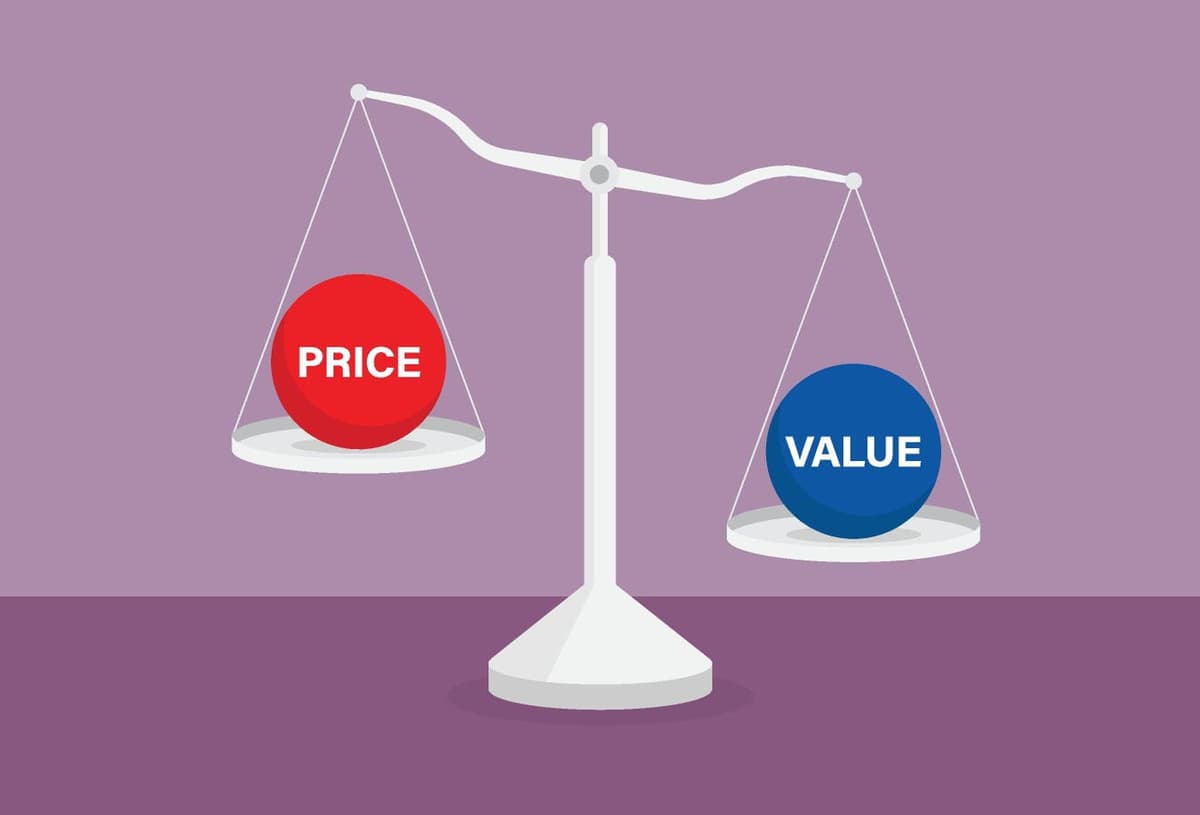
Value‑based selling transforms price‑sensitive competition into sustainable growth, protecting margins while deepening customer loyalty. It equips firms to win on outcomes, a decisive advantage in today’s experience‑driven markets.
Key Takeaways
- •Leadership must embed value mindset across all customer conversations
- •Hire reps who already believe in the product’s outcomes
- •Quantify ROI and inaction costs to shift focus from price
- •Use value frameworks and guardrails to protect margins
- •Deliver quick, measurable wins to prove value before large deals
Pulse Analysis
In an era where buyers evaluate solutions through the lens of business impact, price alone no longer wins contracts. Companies that pivot to value‑based selling tap into a growing demand for outcomes, efficiency, and return on investment. This shift aligns with broader market trends—digital transformation, subscription models, and data‑driven decision making—where customers expect clear, quantifiable benefits before committing capital. By reframing the sales narrative around ROI, firms can rise above commoditized pricing battles and position themselves as strategic partners.
Embedding a value‑first culture requires more than a training module; it starts at the top. Executives must model outcome‑focused conversations, set metrics that reward deal quality over volume, and codify beliefs into hiring criteria. When salespeople genuinely believe in the transformation they deliver, they can articulate the cost of inaction as compellingly as the cost of the solution. Structured frameworks—pricing guardrails, performance dashboards, and ROI calculators—provide the scaffolding that keeps teams aligned and margins protected, even as they pursue higher‑value opportunities.
The payoff of a disciplined value‑selling approach is measurable. Quick‑win engagements generate tangible results that serve as proof points for larger, multi‑year contracts. Quantifying both the financial upside of adoption and the hidden costs of delay equips buyers with a clear business case, reducing price pressure and fostering long‑term relationships. As organizations scale this mindset, they shift from competing on the bottom line to competing on the top line—delivering sustained growth, higher retention, and a defensible market position.
How To Win With Value-Based Selling in Competitive Markets
Comments
Want to join the conversation?
Loading comments...