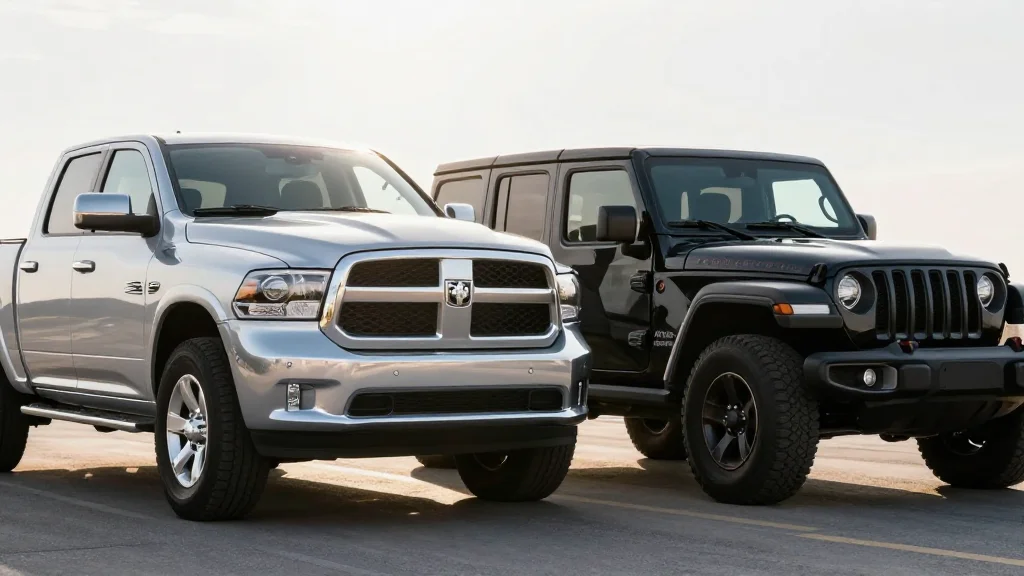
Stellantis Q1 Sales Rise 4.1% as Jeep, Ram Drive Turnaround

Companies Mentioned
Why It Matters
Stellantis’s Q1 performance demonstrates that a calibrated pricing strategy combined with a disciplined sales organization can reverse a prolonged sales slump, even when the broader market contracts. For revenue‑operations leaders, the case underscores the importance of aligning pricing, inventory, and dealer incentives to protect margins while driving volume. The turnaround also reshapes competitive dynamics in the full‑size truck segment, where high‑margin vehicles are a key profit engine. As Stellantis leverages its sales‑force overhaul, rivals may be forced to accelerate similar restructurings or risk losing market share to a company that has successfully re‑engineered its go‑to‑market model.
Key Takeaways
- •Stellantis Q1 U.S. sales up 4.1% after three straight quarterly gains
- •Jeep sales rose 2.8% while Ram surged 20%, with the 1500 pickup posting its best Q1 since 2023
- •Stellantis outperformed peers as Ford’s F‑Series fell 16% and GM’s Silverado sales were flat
- •Aggressive pricing and a refreshed sales‑force structure credited for the rebound
- •Analysts see the move as a template for margin‑focused growth in the truck‑heavy U.S. market
Pulse Analysis
Stellantis’s Q1 rebound is less a flash‑in‑the‑pan and more a symptom of a strategic pivot that began in late 2023. By abandoning a blanket price‑inflation model that alienated cost‑conscious buyers, the automaker reclaimed price elasticity in the Jeep and Ram segments. The shift mirrors a broader industry trend where manufacturers are moving from volume‑centric to profit‑centric playbooks, especially in markets where trucks command three‑times the price of compact cars.
The sales‑force reorganization is the quieter but equally critical piece of the puzzle. Consolidating regional teams reduces latency between market feedback and production planning, a capability that proved vital when the industry faced tariff‑related inventory shocks. Early data suggest that dealer order fill rates have improved, which should translate into higher dealer satisfaction scores and, ultimately, more aggressive floor‑plan financing. Competitors that cling to legacy sales structures may find themselves hamstrung by slower response times, especially as electrification adds layers of complexity to inventory management.
Looking forward, the sustainability of Stellantis’s gains hinges on two variables: the durability of its pricing discipline and the scalability of its sales‑force model. If the company can keep margins stable while expanding its high‑margin truck portfolio, it could set a new benchmark for legacy automakers navigating a market dominated by EV entrants and aggressive Chinese rivals. Conversely, a misstep—such as over‑discounting to chase volume—could erode the very margin advantage that underpins the turnaround. For investors and revenue‑operations professionals, Stellantis offers a live case study in how disciplined pricing, targeted product focus, and a leaner sales organization can jointly revive a faltering brand.
Stellantis Q1 Sales Rise 4.1% as Jeep, Ram Drive Turnaround
Comments
Want to join the conversation?
Loading comments...