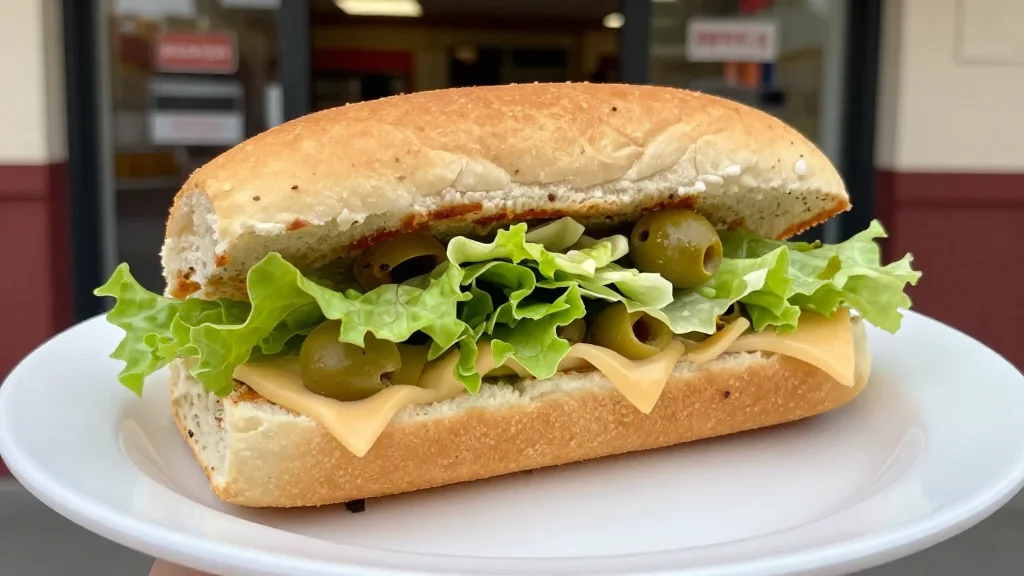
Subway Shuts 729 Stores, Underscoring Fast‑food Sales Slump

Companies Mentioned
Why It Matters
The shutdown of 729 Subway locations illustrates how a legacy fast‑food brand can falter when its sales model fails to evolve with consumer preferences. For B2C retailers, the case underscores the risk of over‑reliance on sheer store count and the importance of aligning pricing, menu innovation, and digital engagement with shifting demand. The closures also reshape competitive dynamics, giving growth‑focused rivals like McDonald’s a clearer path to dominate the quick‑service landscape. For investors and industry analysts, Subway’s contraction offers a cautionary tale about brand resilience. The chain’s inability to translate a massive footprint into robust same‑store sales highlights the need for data‑driven sales strategies, agile franchise operations, and proactive crisis management to protect long‑term revenue streams.
Key Takeaways
- •Subway announced closure of 729 additional U.S. restaurants.
- •Total U.S. store count now stands at roughly 13,247, down from a peak of over 20,000.
- •The chain has closed about one‑third of its U.S. locations since 2016.
- •Analyst Mark Kalinowski notes that higher store count does not equal higher sales.
- •Patrick Hillman cites the 2015 Jared Fogle scandal as a catalyst for the brand’s decline.
Pulse Analysis
Subway’s latest wave of closures is less about a single misstep and more about a systemic misalignment between its historic sales playbook and today’s consumer expectations. The brand built its empire on a low‑cost, high‑volume model that prized uniformity over differentiation. In an era where diners demand customization, healthier options, and seamless digital experiences, that model has eroded. McDonald’s aggressive expansion, backed by a robust digital ordering ecosystem, illustrates the new benchmark for sales growth in quick‑service: scale combined with technology and menu relevance.
The fallout from the Jared Fogle scandal amplified existing vulnerabilities, but the underlying issue is strategic inertia. Franchisees now face diminishing returns on foot traffic as suburban malls and strip centers—once Subway’s strongholds—see reduced footfall. Without a compelling reason for consumers to choose a Subway over a fast‑casual competitor, same‑store sales slump, prompting corporate to trim the network.
Going forward, Subway must re‑engineer its sales funnel. That means leveraging data to identify high‑performing locations, investing in kitchen automation to improve speed and consistency, and expanding delivery partnerships to capture off‑premise revenue. If the brand can transition from a quantity‑driven to a quality‑driven sales strategy, it may stabilize its remaining footprint and lay the groundwork for a more resilient future. Otherwise, the closures could presage a deeper market exit, reshaping the competitive map of the fast‑food sector.
Subway shuts 729 stores, underscoring fast‑food sales slump
Comments
Want to join the conversation?
Loading comments...