Sweetgreen Reports 12.8% Sales Drop, Triggers Pricing and Menu Overhaul

Why It Matters
The sales dip at Sweetgreen illustrates how quickly consumer traffic can erode margins in the fast‑casual segment, especially when ingredient and labor costs rise simultaneously. By publicly adjusting pricing, expanding menu items and investing in operational tools, Sweetgreen offers a case study for B2C sales teams on the importance of agile pricing strategy and real‑time demand forecasting. If Sweetgreen’s initiatives succeed, they could validate a broader industry trend toward modular kitchen concepts and data‑driven menu engineering as levers to offset macro‑level cost pressures. Conversely, a continued decline would reinforce the risk that even well‑known brands can lose relevance without rapid adaptation to shifting consumer preferences.
Key Takeaways
- •Comparable sales fell 12.8% in Q1, driven by an 11.2% traffic decline.
- •Restaurant‑level margin dropped from 17.9% to 10% as food and labor costs rose 250 bps each.
- •Adjusted EBITDA recorded an $8.1 million loss versus a $285,000 gain a year earlier.
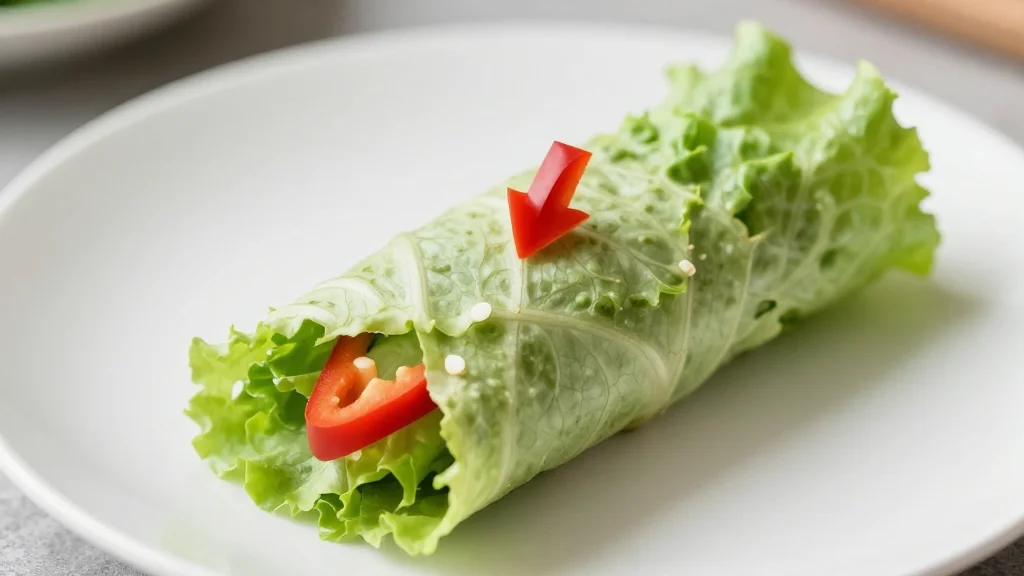
- •Nationwide Wraps launch priced $10.45‑$14.95 aims to attract price‑sensitive diners.
- •Full‑year same‑store sales guidance: –4% to –2%; margin target 14.2%‑14.7%.
Pulse Analysis
Sweetgreen’s Q1 results underscore a classic sales‑management dilemma: balancing price elasticity with cost inflation. The 11.2% traffic contraction suggests a broader consumer pullback, perhaps linked to lingering inflationary pressures and heightened competition from other health‑focused chains. By introducing a lower‑priced Wraps line, Sweetgreen is effectively segmenting its menu to capture both value‑seeking and premium diners, a tactic that mirrors successful price‑tiering seen in the quick‑service sector.
The operational initiatives—Project One Best Way and the Infinite Kitchen rollout—signal a shift from pure menu innovation to process optimization. In a market where labor costs now consume over 30% of revenue, any efficiency gain directly translates to margin recovery. If Sweetgreen can demonstrate measurable labor savings and reduced waste, it may set a new benchmark for fast‑casual operators grappling with similar cost structures.
From a sales forecasting perspective, the company’s acknowledgment that produce‑price pressure is "transitory" provides a useful data point for analysts: short‑term cost spikes can be decoupled from longer‑term demand trends. Investors will be watching Q2 traffic and mix metrics closely; a rebound would validate the pricing and menu changes, while a continued slide could force deeper strategic pivots, such as accelerated digital ordering or further menu simplification. Ultimately, Sweetgreen’s ability to translate its pricing and operational tweaks into sustainable sales growth will be a litmus test for the resilience of the fast‑casual model in a tightening consumer environment.
Sweetgreen Reports 12.8% Sales Drop, Triggers Pricing and Menu Overhaul
Comments
Want to join the conversation?
Loading comments...