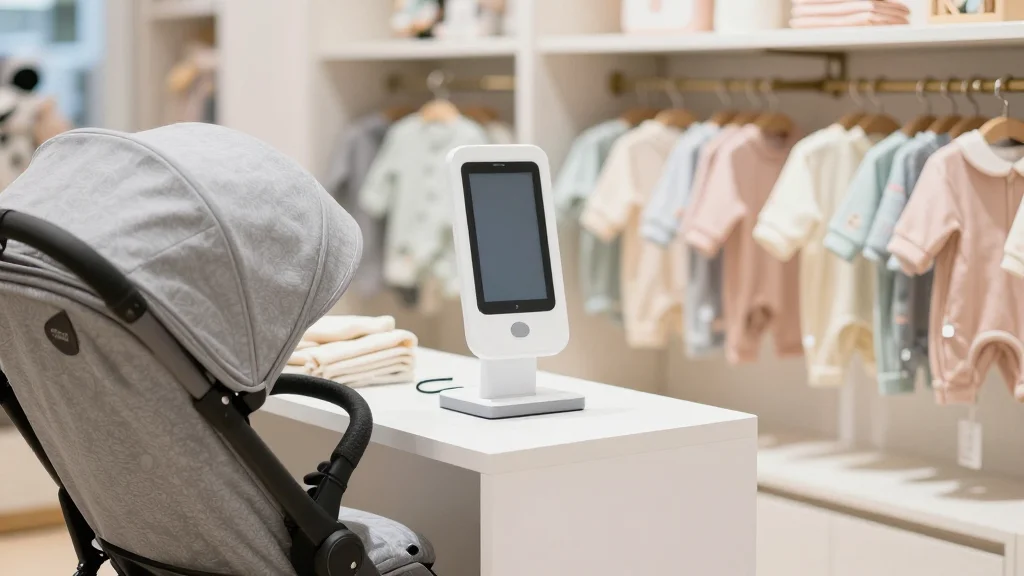
Target Allocates $5 Billion to Revamp Stores and Re‑Engage Parents

Companies Mentioned
Why It Matters
Target’s $5 billion store‑remodel initiative underscores how legacy retailers are re‑engineering the in‑store experience to compete with both e‑commerce giants and niche specialty brands. By targeting parents—a demographic with high lifetime value and growing demand for premium baby products—Target aims to lift sales per square foot and strengthen its merchandising authority. The move also highlights the importance of integrating technology, payroll investment, and curated assortments to create a differentiated sales pipeline that can weather price‑sensitive market pressures. If the rollout succeeds, it could set a template for other mass‑market chains seeking to blend value pricing with premium experiences, reshaping how B2C sales strategies allocate capital between digital capabilities and physical store enhancements.
Key Takeaways
- •Target commits $5 billion for 2026 store remodels and new locations.
- •Launch of a premium Baby Boutique experience with ~2,000 new items.
- •Full‑year GAAP EPS fell to $8.13 in 2025, prompting the strategic shift.
- •Global baby products market projected to reach $579.52 billion by 2033.
- •Hundreds of millions allocated to additional payroll and staff training.
Pulse Analysis
Target’s capital allocation reflects a broader industry pivot: retailers are no longer betting solely on price cuts but on experiential differentiation. The Baby Boutique concept leverages the high‑margin, high‑loyalty nature of the baby segment, where parents are willing to pay a premium for convenience and trusted brands. By embedding expert concierge services and curated assortments, Target creates a defensible niche that can command higher basket values, offsetting the thin margins typical of mass retail.
Historically, Target’s growth has hinged on a blend of style‑forward private labels and competitive pricing. The current strategy deepens that formula by adding a service layer—expert advice and a boutique feel—while still capitalizing on its extensive distribution network. This hybrid model could help the chain reclaim lost market share from competitors like Walmart, which have also introduced premium baby lines but lack Target’s integrated omnichannel infrastructure.
Looking forward, the success of the remodel will depend on execution speed, staff readiness, and the ability to translate in‑store upgrades into measurable sales lift. If Target can demonstrate a clear uplift in average transaction size and repeat visits, it may trigger a wave of similar investments across other categories, reinforcing the notion that the future of B2C sales lies in marrying technology‑enabled convenience with curated, high‑touch experiences.
Target Allocates $5 Billion to Revamp Stores and Re‑Engage Parents
Comments
Want to join the conversation?
Loading comments...