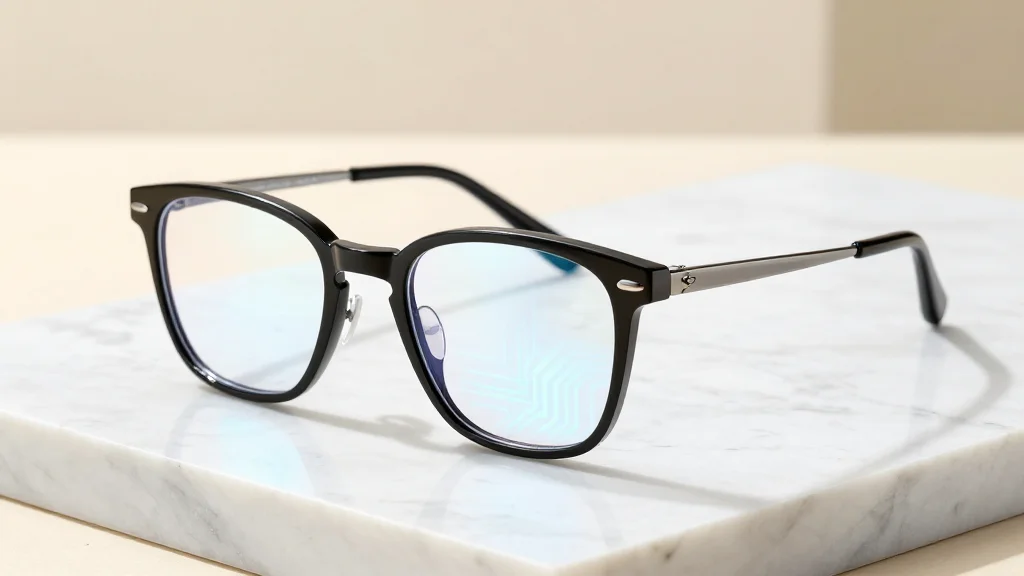
Warby Parker Shares Surge 28% on Strong Q1 Sales and Pricing Gains

Companies Mentioned

Why It Matters
Warby Parker’s Q1 performance illustrates how a direct‑to‑consumer brand can combine traditional retail expansion with premium pricing to outpace a sluggish e‑commerce environment. The company’s ability to generate free cash flow while investing in a high‑tech AI eyewear line signals a shift in the eyewear sector toward integrated hardware‑software offerings, potentially redefining competitive dynamics. The partnership with Google also highlights a broader trend of fashion retailers leveraging big‑tech AI platforms to create differentiated products. If successful, Warby Parker could set a template for other consumer brands seeking to monetize AI capabilities without sacrificing their core retail strengths, thereby reshaping revenue models across the apparel and accessories industry.
Key Takeaways
- •Q1 revenue rose 8.3% to $242.4 million, driven by a 13.6% jump in retail sales.
- •Adjusted EBITDA reached $29.6 million with a 12.2% margin, despite higher shipping and tariff costs.
- •Store network expanded by 14 net locations, bringing total stores to 337 and targeting 50 new openings in 2026.
- •Active customers grew 4.8% to 2.69 million; average revenue per customer increased 6.9% to $331.
- •Warby Parker reaffirmed 2026 revenue guidance of $959‑$976 million and announced a $75 million Google partnership for AI glasses.
Pulse Analysis
Warby Parker’s results underscore a rare alignment of pricing power and operational execution in a consumer‑goods category that has been under pressure from inflation and shifting shopping habits. The 13.6% retail sales surge suggests that the company’s premium‑pricing strategy—anchored by the new sport collection and higher insurance adoption—resonated with consumers willing to pay more for style and convenience. At the same time, the modest e‑commerce decline signals that the discontinuation of the Home Try‑On program may have been a misstep, but the firm’s investment in AI‑driven recommendation tools hints at a longer‑term digital pivot.
The AI glasses partnership is the most consequential strategic bet. By embedding Google’s Gemini AI into its frames, Warby Parker is moving beyond a pure optical retailer into a hybrid hardware‑software play. This could unlock higher margins and recurring revenue through software services, but it also introduces execution risk: scaling production, ensuring privacy compliance, and convincing a price‑sensitive market to adopt a higher‑priced, technology‑laden product. Competitors such as Luxottica and emerging tech‑fashion collaborations will likely accelerate their own smart‑glasses initiatives, intensifying the battle for the next wave of eyewear spend.
Looking ahead, the key question is whether Warby Parker can translate its strong Q1 fundamentals into sustained growth once the AI glasses hit the market. If the launch drives incremental traffic and higher average spend, the company could comfortably meet its 2026 revenue target and potentially exceed its EBITDA margin expansion goals. Conversely, if the AI product fails to gain traction, the firm may need to double down on its core retail and pricing tactics to offset margin erosion. Investors will be watching the Q2 earnings call for early adoption metrics and any adjustments to the rollout timeline, which will set the tone for the broader smart‑eyewear category.
Warby Parker Shares Surge 28% on Strong Q1 Sales and Pricing Gains
Comments
Want to join the conversation?
Loading comments...