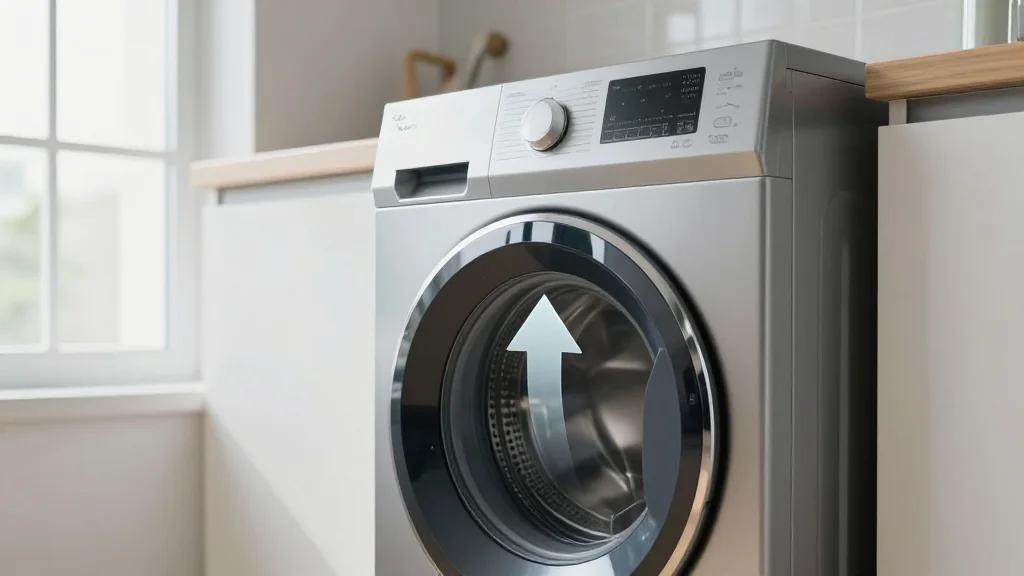
Whirlpool Raises Prices by 10% After $82 Million Loss, Cites Recession‑Level Decline

Companies Mentioned
Why It Matters
The price hikes mark a rare instance of a major consumer‑goods manufacturer shifting cost burdens onto end‑users in a weak demand environment, highlighting the tension between margin protection and sales volume. For B2B distributors and B2C retailers, the move forces a reassessment of inventory strategies and pricing models, as higher wholesale costs may compress retailer margins. Furthermore, Whirlpool’s earnings downgrade and dividend suspension send a cautionary signal to other manufacturers that even firms with strong domestic production footprints are vulnerable to macro‑economic headwinds, tariff volatility, and shifting consumer confidence. The episode could accelerate consolidation in the appliance sector as weaker players seek scale to weather similar pressures.
Key Takeaways
- •Whirlpool announced a 10% price increase in April and a further 4% hike slated for July.
- •First‑quarter loss of $82 million triggered a 12% drop in the company's stock price.
- •North American major‑appliance sales fell 7% in the latest quarter.
- •Full‑year earnings forecast cut to $3.00‑$3.50 per share from $6.00, and dividend suspended.
- •Tariff impact on competitors estimated at 10%‑15%; Whirlpool’s own impact around 5%.
Pulse Analysis
Whirlpool’s decision to raise prices amid a recession‑level sales slump reflects a strategic pivot that many legacy manufacturers are forced to consider when cost inflation outpaces consumer willingness to spend. Historically, appliance makers have absorbed raw‑material and logistics cost spikes to maintain market share, but the current environment—characterized by lingering pandemic‑era supply constraints, volatile energy prices, and a post‑tariff shock—has eroded that cushion. By passing a 10% hike to customers, Whirlpool is betting that brand loyalty and the necessity of appliance replacement will outweigh price sensitivity, at least in the short term.
The move also underscores a broader industry inflection point: the convergence of macro‑economic uncertainty and a fragmented competitive landscape. Rivals are scrambling for tariff refunds, which could temporarily lower their cost base and enable them to undercut Whirlpool’s new pricing. If competitors succeed, Whirlpool may find its price increases insufficient to protect margins, prompting further cost‑cutting measures or accelerated product innovation. The upcoming second‑quarter earnings will be a litmus test for whether the price strategy stabilizes revenue or accelerates a volume decline.
Looking ahead, the pricing strategy could reshape the appliance market’s value chain. Distributors may renegotiate terms to preserve their own margins, while retailers could face pressure to absorb part of the price increase or risk losing price‑sensitive shoppers to online alternatives. For investors, Whirlpool’s actions highlight the importance of monitoring not just headline sales figures but also the underlying cost dynamics and policy shifts that can quickly alter the competitive equilibrium in consumer‑durable goods.
Whirlpool Raises Prices by 10% After $82 Million Loss, Cites Recession‑Level Decline
Comments
Want to join the conversation?
Loading comments...