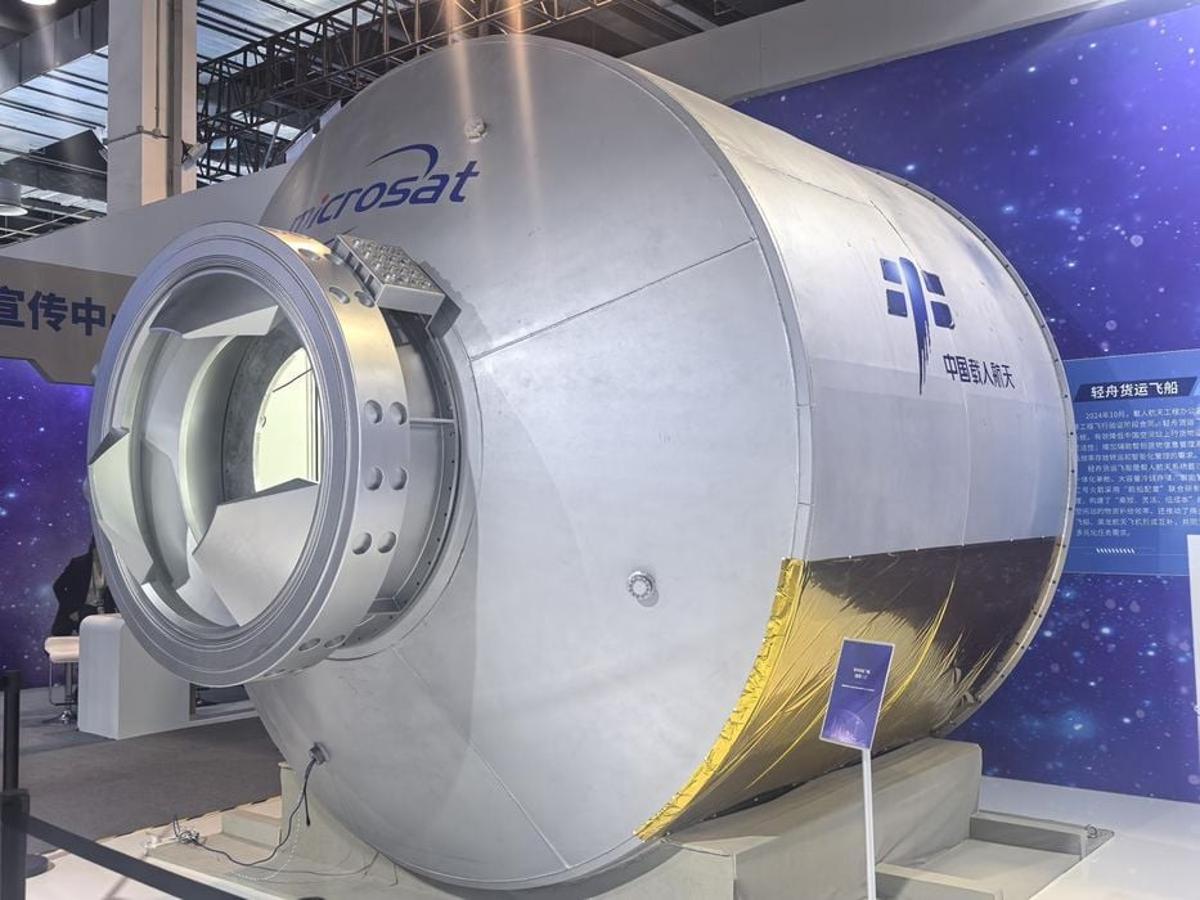
China Tests Metal 3D Printing System in Orbit Using Qingzhou Spacecraft
Key Takeaways
- •Qingzhou test vehicle performed metal 3D printing in 600 km orbit.
- •Used laser wire‑feed directed energy deposition, suitable for microgravity.
- •Remote start‑stop cycles verified, data streamed to ground operators.
- •Demonstrates path toward automated, on‑orbit manufacturing of large structures.
- •Could reduce launch mass by shipping raw material instead of finished parts.
Pulse Analysis
In‑space manufacturing has long been a tantalizing goal for space agencies, but technical hurdles have kept it largely theoretical. Traditional metal additive processes such as laser powder‑bed fusion rely on gravity to settle fine powders, making them unsuitable for microgravity environments. By contrast, wire‑arc directed energy deposition (DED) feeds a metal wire that is melted by a laser, eliminating the need for powder handling. This approach sidesteps the floating‑powder problem and offers a more compact, energy‑efficient solution for orbital fabrication, positioning it as a practical pathway for future space‑based production.
China’s recent test aboard the Qingzhou cargo spacecraft marks a concrete step forward. The vehicle, operating independently of the Tiangong station at roughly 600 km altitude, executed a series of remote‑controlled printing cycles, transmitting real‑time telemetry and imagery back to Earth. The successful demonstration of start‑stop reliability and stable melt deposition validates the system’s robustness and its potential for integration into low‑cost cargo platforms that could service the Tiangong complex. By proving that complex metal parts can be fabricated without crew intervention, the experiment paves the way for scaling up to larger structures such as truss segments or solar‑panel frameworks.
The broader commercial implications are significant. If the technology matures, manufacturers could launch raw feedstock rather than fully assembled components, dramatically reducing launch volume and associated costs. This shift would enable on‑demand production of satellite bus elements, repair parts, or even habitat modules, fostering a more flexible and resilient space supply chain. As private firms and national programs alike seek to lower barriers to orbit, China’s progress in autonomous, in‑space metal printing could accelerate competition and collaboration in the emerging orbital manufacturing market.
China Tests Metal 3D Printing System in Orbit Using Qingzhou Spacecraft
Comments
Want to join the conversation?