
Why It Matters
Monetizing AI workloads from orbit could unlock a trillion‑dollar space economy, while NASA’s expensive programs risk being sidelined.
Key Takeaways
- •AI workloads drive demand for lunar manufacturing
- •Starlink proves high‑value microwaves beat raw power
- •SpaceX’s Starship could launch 100 GW annually
- •Moon mass drivers enable in‑space component production
- •NASA’s legacy architecture risks costly redundancy
Pulse Analysis
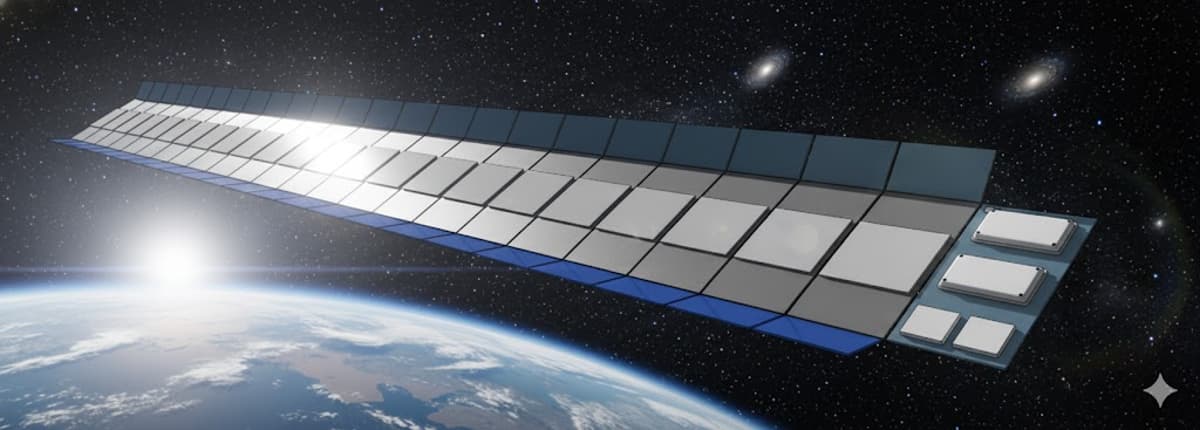
The space‑industry narrative has moved from a philanthropic Mars‑colonization dream to a profit‑centered lunar economy. The explosive demand for AI inference, which consumes petawatts of compute, creates a lucrative market for placing GPUs in orbit where data can be transmitted as high‑value microwave bits. By manufacturing components on the Moon and assembling them in cis‑lunar space, SpaceX can reduce launch mass and tap the trillion‑dollar investment needed for permanent off‑world factories. This shift aligns capital markets with space development, turning the Moon into an industrial hub rather than a scientific outpost.
Starlink demonstrated that a constellation of 10,000 satellites can generate hundreds of megawatts of power and monetize it by beaming information, not electricity, back to Earth. A watt of Starlink microwave power now yields roughly a billion dollars of revenue because each bit carries high‑value telemetry, imaging or broadband services. Extending this model to orbital data centers—satellites equipped with GPUs—multiplies the profit margin, as AI inference tokens command prices orders of magnitude above ordinary video streams. Early 2026 estimates suggest space‑based inference could be twice as costly as ground‑based data centers yet retain a 98 % profit margin, reshaping the economics of cloud computing.
Realizing this vision hinges on Starship’s ability to launch tens of thousands of tons per year, delivering up to 100 GW of orbital power generation. Mass‑driver systems on the Moon could export raw aluminum and silicon, the primary feedstock for satellite structures and solar arrays, while continuous solar illumination in space eliminates the lunar night constraint. By minimizing excavation and relying on in‑situ resource utilization, SpaceX aims to keep lunar payloads light and focus shipments on high‑value electronics. In contrast, NASA’s legacy SLS/Orion program, with projected $100 billion costs, threatens to duplicate effort without delivering the commercial throughput needed for a thriving space‑based economy.
I guess we’re doing Moon factories now
0
Comments
Want to join the conversation?
Loading comments...