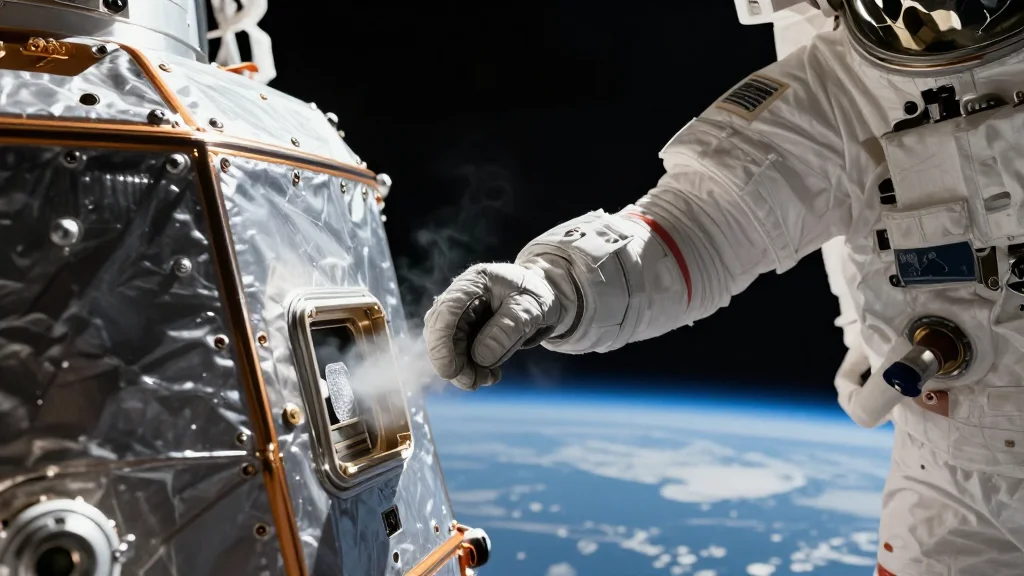
ISS Leak Forces Temporary Safe Haven Procedures
Key Takeaways
- •Leak detected in Zvezda's PrK transfer tunnel.
- •Roscosmos paused repairs to gather additional measurements.
- •NASA ended Dragon crew's safe‑haven mode, resuming ISS duties.
- •Joint NASA‑Roscosmos effort aims to fix leak without mission delay.
- •Incident highlights reliance on international cooperation for station safety.
Pulse Analysis
The International Space Station’s Russian Service Module, Zvezda, recently experienced a pressure leak in its PrK transfer tunnel, a conduit that links the module’s interior to other station segments. The anomaly was identified during routine monitoring, prompting immediate containment actions to prevent atmospheric loss. Zvezda, the oldest ISS component, houses critical life‑support systems and docking ports, making any breach a high‑priority safety issue. Engineers from Roscosmos and NASA quickly mobilized to assess the leak’s magnitude, gathering pressure data and structural measurements to inform the next steps.
In response, Roscosmos temporarily halted ongoing structural repairs inside the tunnel to acquire additional diagnostics, while NASA instructed the crew aboard the SpaceX Dragon capsule to terminate its ‘safe‑haven’ posture—a contingency that isolates crew members from the main station environment. The Dragon crew returned to standard duties aboard the ISS, allowing mission planners to resume normal scientific and maintenance activities. This coordinated maneuver underscores the robustness of the station’s emergency protocols and the seamless communication channels that exist between the two space agencies during unforeseen events.
The leak episode reinforces the strategic importance of international partnership in maintaining low‑Earth‑orbit infrastructure. For commercial operators, the swift resolution demonstrates that the presence of private vehicles like Dragon does not compromise station safety, bolstering confidence among investors and future crewed missions. Looking ahead, Roscosmos and NASA will likely implement enhanced leak‑detection sensors and schedule periodic inspections of legacy modules to mitigate similar risks. The incident serves as a reminder that the ISS’s longevity depends on proactive engineering and collaborative problem‑solving.
ISS Leak Forces Temporary Safe Haven Procedures
Comments
Want to join the conversation?