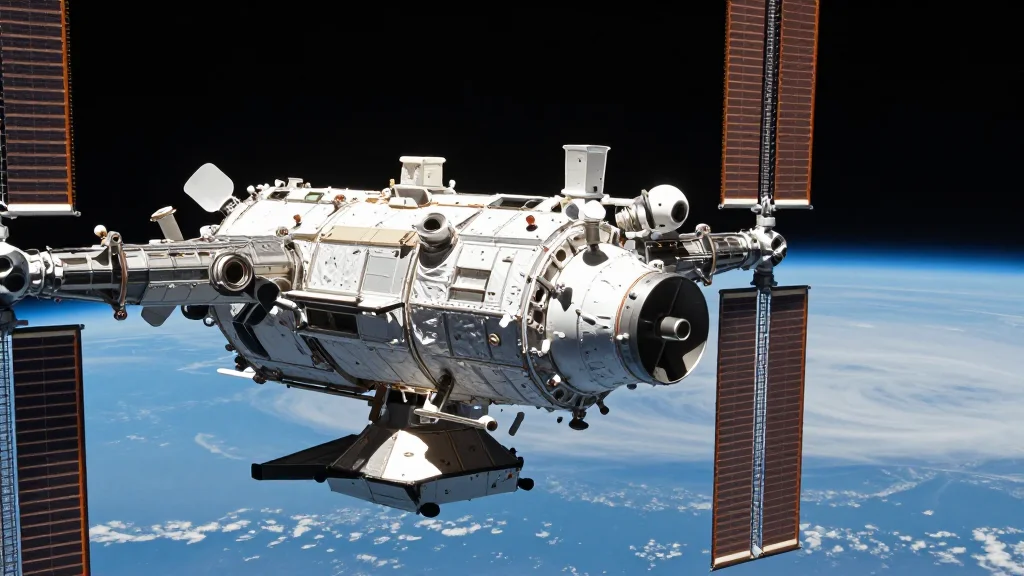
Key Takeaways
- •NASA drops plan for government-owned ISS anchor module
- •Agency returns to original commercial LEO station strategy
- •Draft RFP for station services expected later this month
- •Industry feedback drives flexible acquisition requirements
- •NASA will act as one customer among many
Pulse Analysis
The "Ignition" briefing in March sparked excitement by proposing a NASA‑owned anchor module that would dock with the International Space Station and later become the nucleus of a new commercial platform. Proponents argued that a government‑run core could guarantee reliable infrastructure, but critics warned it might crowd out private capital and create a de‑facto monopoly on LEO services. The concept also raised concerns about procurement complexity and long‑term sustainability, especially as multiple private firms were already investing in their own station designs.
In response to industry pushback, NASA announced a course correction, reaffirming its commitment to a purely commercial model where the agency purchases services rather than builds hardware. This pivot underscores a broader policy trend that treats the agency as a customer, not a developer, encouraging competition among emerging station operators such as Axiom, Blue Origin, and Sierra Space. By incorporating stakeholder feedback into flexible acquisition requirements, NASA aims to lower entry barriers, accelerate technology maturation, and foster a diversified market that can support scientific research, manufacturing, and tourism.
The upcoming draft RFP, slated for release later this month, will outline performance‑based milestones, pricing structures, and certification standards for LEO station services. Companies that can demonstrate reliable transport, life‑support, and commercial viability will be positioned to win contracts, potentially reshaping the orbital economy. Analysts expect this move to stimulate private investment, spur international partnerships, and keep the United States at the forefront of low‑Earth‑orbit activities as the ISS approaches retirement. The decision also signals to Congress and the private sector that NASA’s role will be to catalyze, not dominate, the next generation of space habitats.
NASA Rethinks Commercial LEO Plans
Comments
Want to join the conversation?