Key Takeaways
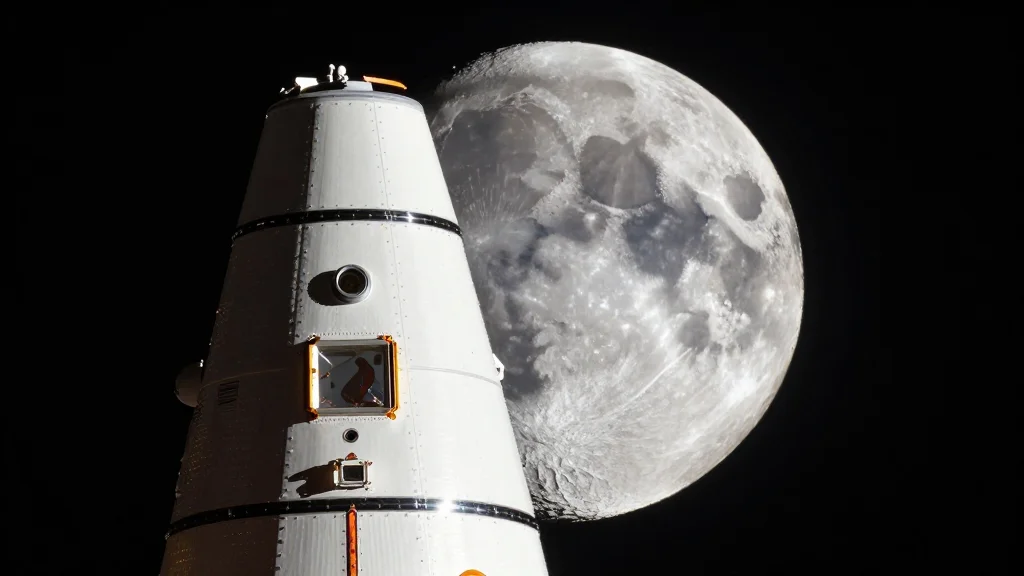
- •Artemis II sent a 5.7 million‑lb rocket around the Moon.
- •Mission marks deepest crewed spaceflight since Apollo era.
- •Success boosts NASA’s brand visibility and soft‑power influence.
- •Demonstrates readiness for upcoming lunar landing and Mars plans.
Pulse Analysis
The Artemis II flight, a crewed test of the Orion spacecraft atop the Space Launch System, proved that a 5.7 million‑pound launch vehicle can safely navigate a translunar trajectory and return to Earth. Beyond the engineering triumph, the mission re‑energized public fascination with deep‑space travel, echoing the excitement of the 1960s Apollo program while showcasing modern, reusable technologies. Analysts see this as a pivotal data point for NASA’s broader Artemis roadmap, which aims to land the first woman and the next man on the lunar surface by 2027.
NASA’s brand, long associated with scientific discovery, is increasingly recognized as a strategic asset in diplomatic and commercial arenas. By delivering high‑visibility achievements like Artemis II, the agency amplifies U.S. soft‑power, shaping international perception of American innovation. The mission also provides a platform for partnerships with commercial launch providers, satellite operators, and research institutions, turning NASA’s public goodwill into tangible economic opportunities. Critics argue the agency under‑utilizes this reach, but recent policy shifts suggest a more aggressive stance toward leveraging the NASA logo in global markets.
Looking ahead, Artemis III will attempt the first crewed lunar landing of the program, relying on the data gathered from Artemis II’s deep‑space operations. Success will likely accelerate commercial lunar payload services, as private firms line up to deliver scientific instruments, habitats, and mining equipment. International partners, from ESA to JAXA, are poised to contribute modules and technology, further embedding NASA’s brand in a multinational effort. The cumulative effect positions the United States to dominate the emerging lunar economy while reinforcing its leadership in space exploration.
NASA’s Global Reach Just Got Broader
Comments
Want to join the conversation?