SpaceX Launch Rate in 2026 After Reaching Orbital Operations, Booster and Starship Recovery

Key Takeaways
- •FAA caps 44 Starship launches annually at LC‑39A
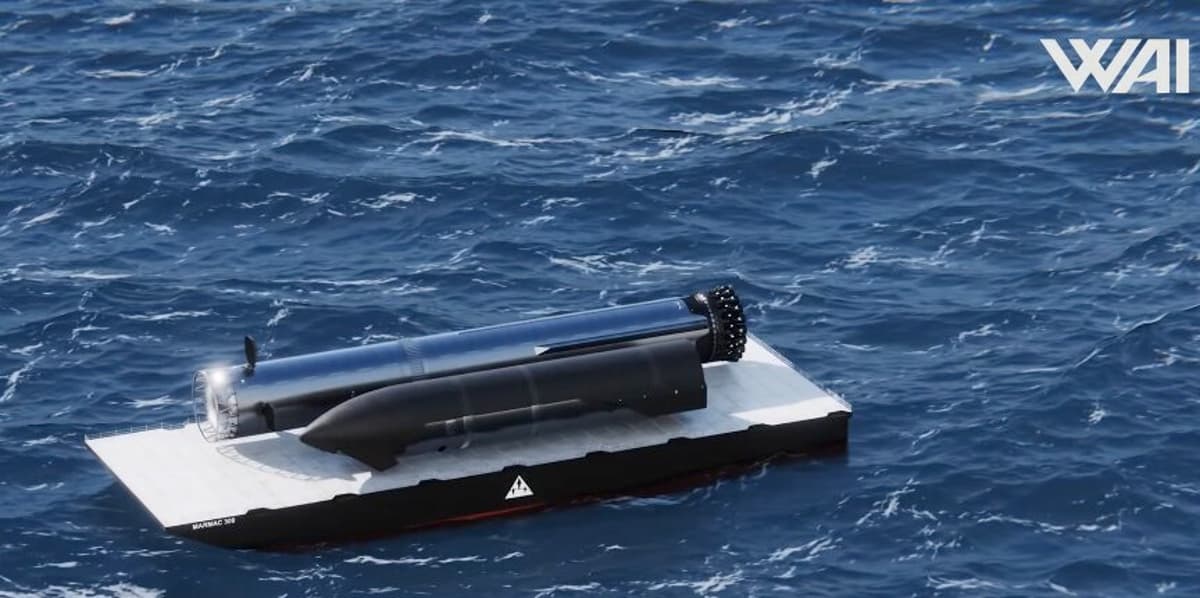
- •Two dedicated barges ferry fully assembled Starships from Texas to Florida
- •Barriers enable 10× faster cadence versus single‑site Falcon ops
- •Projected 2026 cadence: 10–20 launches; 2027: up to 150
- •SpaceX will add two barges and expand docks by late 2026
Pulse Analysis
SpaceX’s newest logistical model hinges on two purpose‑built barges—Marmac 31 (nicknamed “You’ll Thank Me Later”) and JRTI—that shuttle fully stacked Starship and Super Heavy stages across the Gulf of Mexico. By moving hardware by sea rather than overland, the company sidesteps the lengthy road‑rail bottlenecks that limited Starbase’s launch rate. The barges can carry multiple vehicles per trip, allowing simultaneous preparation of launch‑pad fleets on both the east and west coasts. This maritime approach is a force multiplier, promising a ten‑fold increase in launch cadence compared with the Falcon‑era single‑site paradigm.
Regulatory approval is a critical piece of the puzzle. In February 2026, the FAA granted SpaceX permission for up to 44 Starship‑Super Heavy launches and an equal number of landings at LC‑39A, with similar caps at Starbase and the upcoming SLC‑37 site. Combined, the three locations could support roughly 145 launches per year, a figure that aligns with Elon Musk’s long‑term vision of an hourly launch cadence by the early 2030s. The immediate outlook is more modest: 10‑20 launches in 2026, scaling to 80‑150 by 2027 as additional pads, catch towers, and barges come online.
Beyond sheer volume, the barge strategy reshapes the economics of spaceflight. Centralizing production at the Texas Star Factory reduces duplicate tooling and labor costs, while the sea‑based supply chain enables rapid, parallel integration at distant launch complexes. As SpaceX expands its fleet of barges and dock infrastructure, the company positions itself to dominate the emerging market for massive satellite constellations, lunar logistics, and deep‑space missions, forcing competitors to rethink both manufacturing footprints and launch‑site logistics. The convergence of regulatory clearance, maritime transport, and upgraded ground systems marks a pivotal shift toward truly high‑frequency, low‑cost access to orbit.
SpaceX Launch Rate in 2026 After Reaching Orbital Operations, Booster and Starship Recovery
Comments
Want to join the conversation?