The Cost Of Helium-3: Earth Sources Vs The Moon
Key Takeaways
- •Tritium decay supplies limited He‑3, tied to nuclear warhead stockpiles.
- •Pulsar Helium extracts He‑3 from terrestrial wells with moderate scalability.
- •Lunar regolith holds vast He‑3 but faces high extraction cost and logistics.
- •Near‑term investors focus on Earth‑based He‑3 due to lower cost and accessibility.
Pulse Analysis
Helium‑3 (He‑3) has long been touted as a near‑perfect fuel for aneutronic fusion, offering higher energy density and fewer radioactive by‑products than conventional deuterium‑tritium reactions. Beyond energy, the isotope’s unique neutron‑absorbing properties make it valuable for quantum computing and space‑based power systems, driving a surge of interest from venture capital and government labs alike. However, the market’s growth hinges on a realistic supply chain, and current analyses show Earth‑derived He‑3 outpacing lunar sources by orders of magnitude in cost and delivery speed.
On Earth, the primary He‑3 streams come from the decay of tritium in legacy nuclear weapons and from specialized extraction projects such as Pulsar Helium, which leverages existing natural‑gas drilling infrastructure to separate He‑3 from helium‑rich wells. Tritium decay provides a modest, government‑controlled flow that is limited by the size of nuclear stockpiles, while Pulsar’s approach promises moderate scalability with lower capital expenditures than building new facilities. Both pathways benefit from established logistics, regulatory frameworks, and relatively low energy requirements for isotope separation, keeping per‑kilogram costs well below the speculative figures associated with lunar mining.
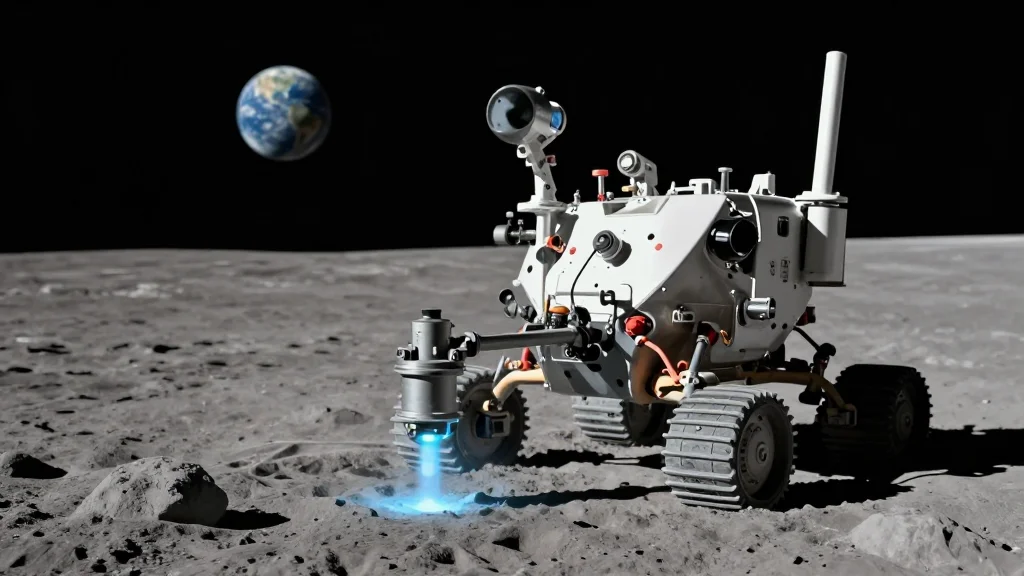
In contrast, lunar regolith contains an estimated 1–10 ppm of He‑3, translating into a massive theoretical reserve but one that is shackled by extreme extraction challenges. Mining the Moon would require heavy‑duty rovers, high‑temperature processing plants, and a reliable return‑to‑Earth transport system—capabilities that remain in early development under NASA’s CLIP and commercial lunar payload services contracts. Even optimistic cost models place lunar He‑3 at several hundred dollars per gram, dwarfing Earth‑based prices. For investors, the pragmatic takeaway is to prioritize near‑term Earth sources while monitoring lunar technology milestones; a breakthrough in lunar mining could reshape the supply curve, but until then, the economic case for He‑3 rests firmly on terrestrial extraction.
The Cost Of Helium-3: Earth Sources Vs The Moon
Comments
Want to join the conversation?