Key Takeaways
- •Reused Apollo hardware to launch first U.S. space station
- •In‑orbit repairs proved feasibility of spacecraft maintenance
- •Long‑duration missions yielded vital biomedical data
- •Solar observations advanced understanding of solar activity
- •Lessons influenced Mir and ISS design
Summary
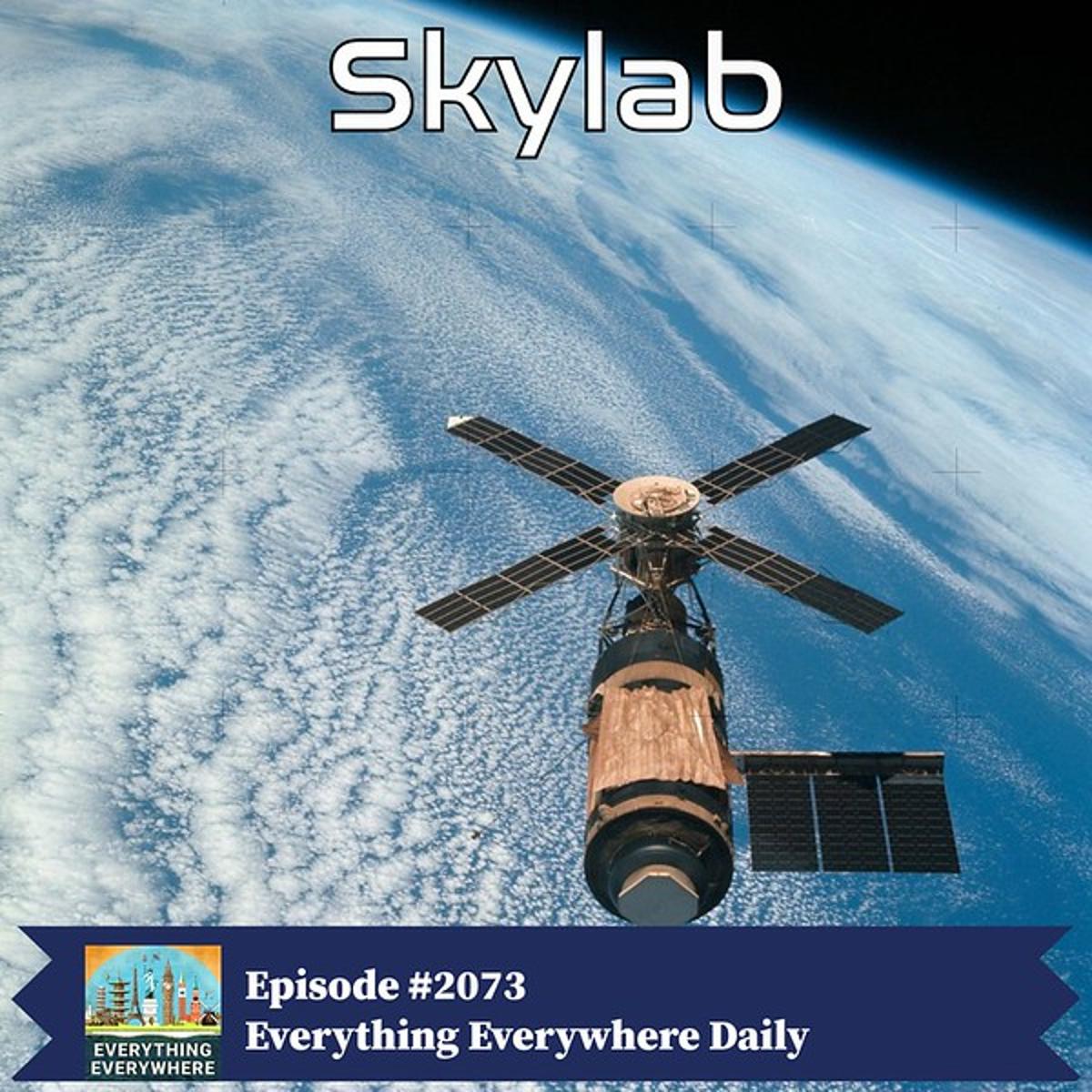
In the early 1970s NASA turned surplus Apollo hardware into Skylab, the United States’ first space station, launching it on the final Saturn V rocket in May 1973. The initial crew repaired a damaged solar panel and installed a sunshade, demonstrating that complex in‑orbit maintenance was possible. Subsequent missions extended crew stays to 84 days, delivering extensive solar, Earth‑observation, and biomedical experiments. Skylab’s design, operational lessons, and scientific output laid the groundwork for later stations such as Mir and the International Space Station.
Pulse Analysis
When Apollo’s moon landings ended, NASA faced a funding crunch and a strategic crossroads. By repurposing the Saturn V’s upper stage and Apollo command modules, the agency launched Skylab as a low‑cost bridge between lunar missions and the forthcoming shuttle program. This pragmatic approach, known as the Apollo Applications Program, allowed the United States to maintain a human presence in orbit without the expense of a brand‑new spacecraft, setting a precedent for modular, upgradeable space habitats.
Skylab’s three crewed flights showcased the station’s scientific and operational value. The first crew’s emergency repairs—deploying a makeshift sunshade and freeing a jammed solar panel—demonstrated that astronauts could troubleshoot and fix critical systems in microgravity. Subsequent missions extended stays to 84 days, enabling continuous solar observations with the Apollo Telescope Mount, detailed Earth‑monitoring imagery, and a suite of biomedical experiments that charted muscle loss, bone density changes, and cardiovascular adaptations. These data streams became essential reference points for designing life‑support and exercise regimes on later platforms.
The program’s legacy reverberates through today’s orbital outposts. Techniques pioneered on Skylab—such as in‑space construction, EVA maintenance, and crew workload management—directly informed the Soviet Mir station and the International Space Station’s operational playbook. Moreover, Skylab’s public visibility, from its dramatic launch mishap to its controlled re‑entry in 1979, helped sustain public interest in human spaceflight during a quiet decade. By proving that long‑duration missions are technically viable and scientifically rewarding, Skylab cemented the concept of a permanent, serviceable space laboratory that underpins contemporary exploration plans.
Comments
Want to join the conversation?