Participants


Why It Matters
Integrating AI at the satellite level accelerates on‑orbit data processing, giving CesiumAstro a competitive edge in the emerging market for space‑based edge computing and resilient network services.
Key Takeaways
- •CesiumAstro acquires Vidrovr for on‑orbit AI integration
- •AI will prioritize satellite data processing versus ground transmission
- •Adaptive RF optimization reduces latency and boosts spectrum efficiency
- •Acquisition signals growing trend of space‑AI mergers
- •Targets future orbital data center market
Pulse Analysis
The acquisition of Vidrovr marks a pivotal moment in the convergence of artificial intelligence and satellite communications. Over the past year, high‑profile deals such as SpaceX’s purchase of xAI have highlighted how space operators view AI as a catalyst for new revenue streams. By bringing machine‑learning inference closer to the source of data, CesiumAstro aims to transform raw telemetry into actionable insights without relying on costly ground‑segment processing. This strategic shift reflects broader industry expectations that AI‑enabled payloads will become standard in next‑generation constellations.
Embedding AI into telecommunications payloads unlocks several technical advantages. Adaptive RF optimization allows satellites to dynamically allocate spectrum, reducing interference and latency while maximizing throughput. Autonomous tasking empowers spacecraft to prioritize critical data—such as anomaly detection or high‑resolution imagery—on‑orbit, sending only the most valuable packets to Earth. These capabilities lay the groundwork for orbital data centers, where solar power and the vacuum’s cooling properties can support sustained AI workloads, potentially reshaping how global data pipelines operate.
From a market perspective, CesiumAstro’s move positions it to capture a share of the nascent space‑edge computing sector, which analysts project to grow into a multi‑billion‑dollar industry by the early 2030s. Competitors are likely to accelerate similar M&A activity, intensifying the race for proprietary AI software that can be hardened for the space environment. While skeptics cite high development costs and radiation‑induced reliability challenges, the strategic value of reduced ground‑segment dependency and faster data turnaround may outweigh these hurdles, prompting further investment in orbital AI infrastructure.
Deal Summary
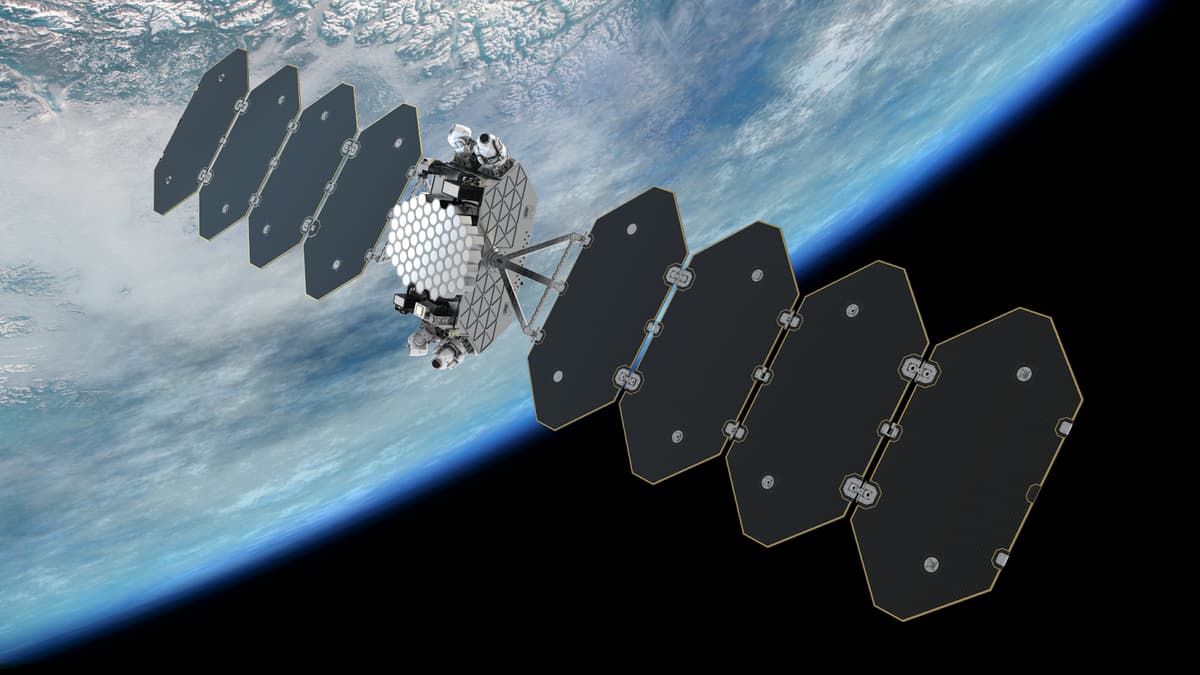
Space technology company CesiumAstro announced on Thursday that it has acquired AI startup Vidrovr, which focuses on task prioritization and automation using artificial intelligence. The acquisition will embed AI into CesiumAstro's telecommunications payloads to enable adaptive RF optimization, autonomous tasking, and real‑time decision‑making on orbit.
0
Comments
Want to join the conversation?
Loading comments...