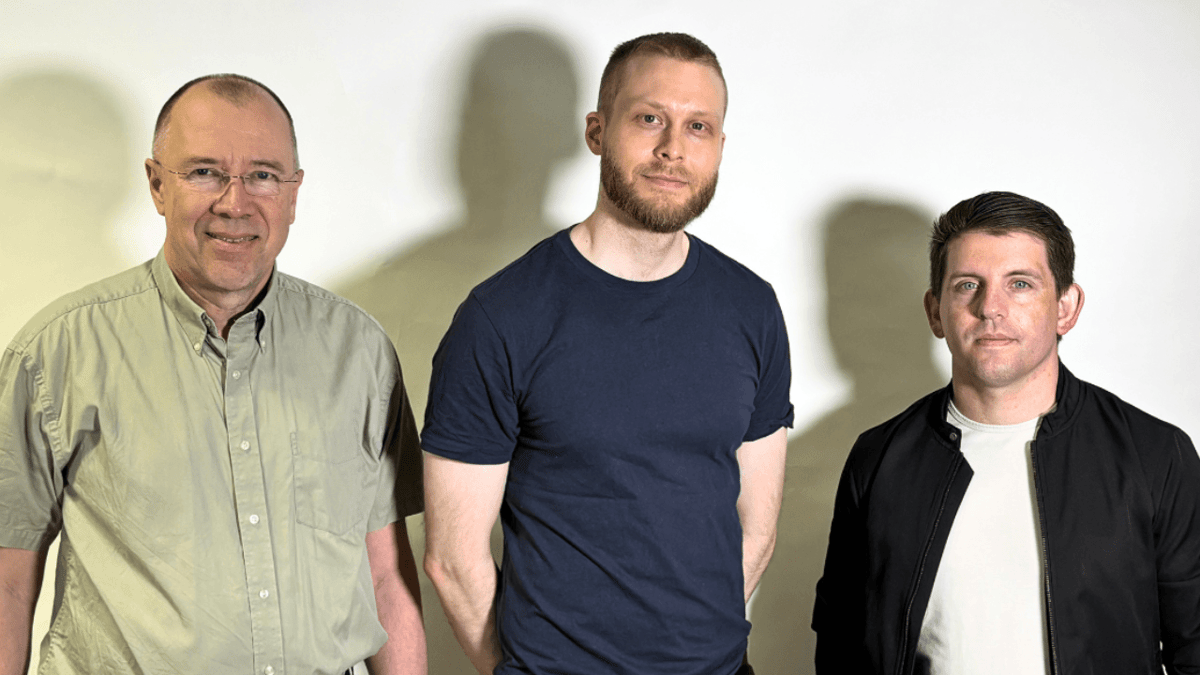
Finnish Space Safety Startup Aavuus Raises Pre-Seed Funding From Maki.vc
Participants
Why It Matters
Accurate debris tracking reduces collision risk, protecting multi‑billion‑dollar satellite assets and supporting the rapid growth of the space economy. The technology also opens new revenue streams for defence and commercial operators needing reliable orbital safety data.
Key Takeaways
- •Aavuus builds laser stations for precise LEO debris tracking.
- •Pre‑seed round from Maki.vc enables MVP development.
- •1.2 million debris >1 cm orbit; 1‑10 cm blind spot persists.
- •New data improves collision avoidance for satellite operators.
- •Former US Army officer joins as CCO, targeting defense market.
Pulse Analysis
The orbital environment is becoming increasingly congested as megaconstellations launch thousands of satellites each year. While objects larger than 10 cm are routinely catalogued, the 1‑10 cm fragment population—large enough to cause catastrophic damage—remains largely invisible to existing radar and optical networks. This blind spot forces operators to rely on conservative manoeuvres, inflating operational costs and limiting the density of viable orbital slots. Industry analysts estimate that the economic impact of a single debris‑induced collision could exceed $500 million in lost revenue and replacement costs.
Aavuus leverages its heritage in satellite laser ranging and space geodesy to deploy a distributed array of high‑precision ground lasers. By actively illuminating objects and measuring the return signal, the system can pinpoint debris positions with centimetre‑level accuracy, far surpassing passive tracking methods. The pre‑seed capital from Maki.vc will accelerate the construction of a minimum viable product, allowing the company to validate performance metrics and secure pilot contracts with satellite operators and defence agencies. The addition of former US Army Aerospace Defence Officer Brian Dunne as chief commercial officer signals a strategic push into the defence market, where real‑time threat assessment is paramount.
If Aavuus delivers on its promise, the ripple effects could reshape the space‑services value chain. More reliable debris data would enable tighter orbital slot allocation, reduce the frequency of costly avoidance burns, and lower insurance premiums for satellite fleets. Defence customers would gain a tactical advantage by monitoring potential anti‑satellite threats with unprecedented granularity. Moreover, the success of a laser‑based tracking infrastructure could attract further private investment, spurring a new wave of ancillary services such as debris removal and on‑demand collision‑risk analytics, ultimately contributing to a safer, more sustainable orbital ecosystem.
Deal Summary
Aavuus, a Finnish startup developing a global network of ground-based laser stations for orbital safety, announced it has closed a Pre-Seed funding round led by Maki.vc. The undisclosed amount will fund the build of its MVP and early customer deployments for space debris tracking. The round also coincides with the appointment of former US Army Aerospace Defence Officer Brian Dunne as CCO.
Comments
Want to join the conversation?
Loading comments...