SpaceX Files for $2 Trillion IPO
Participants
Why It Matters
Nvidia’s muted guidance could slow momentum in the AI‑driven semiconductor rally, while SpaceX’s historic IPO could reshape capital markets for high‑risk, high‑reward space ventures.
Key Takeaways
- •Nvidia projects FY2026 revenue of $45B, below analyst consensus
- •Shares slipped 3% after Nvidia's cautious outlook
- •SpaceX filed S‑1 seeking $2T valuation, the largest ever
- •IPO could unlock capital for Starlink expansion and Mars missions
- •Investors weigh regulatory risks versus growth potential
Pulse Analysis
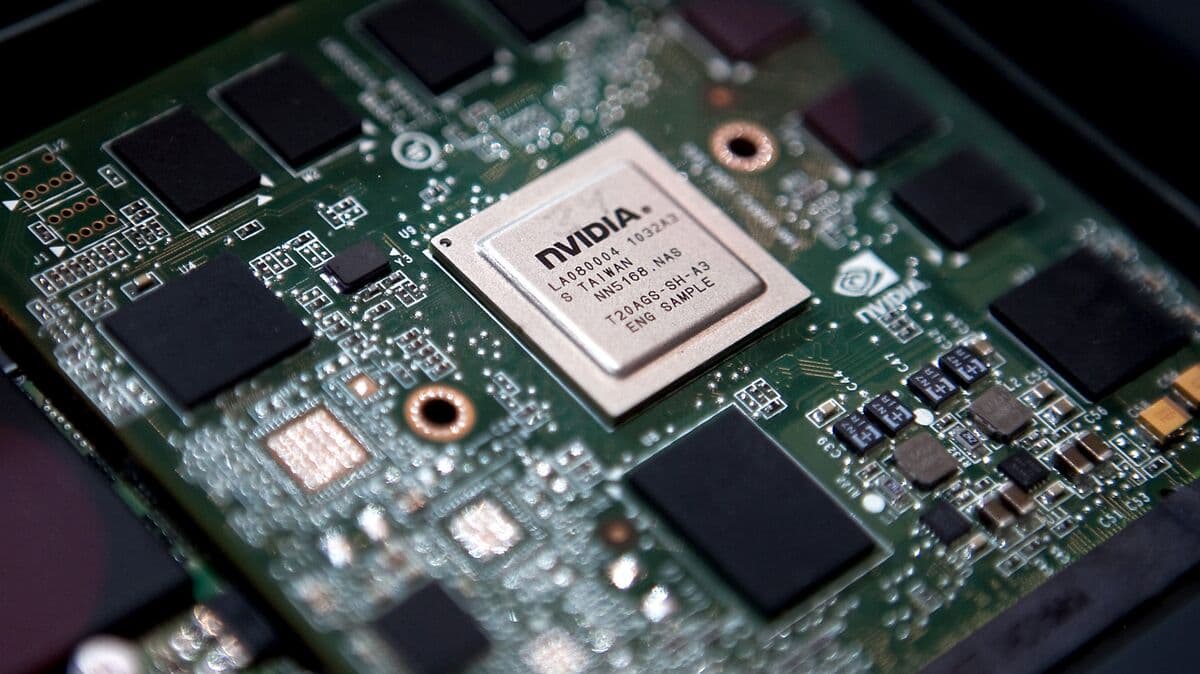
Nvidia’s latest earnings outlook underscores a subtle shift in the AI‑chip market. After a year of explosive demand, the company now projects $45 billion in revenue for fiscal 2026, trailing consensus estimates by about 5%. The shortfall reflects inventory adjustments and a slowdown in enterprise AI spend, prompting investors to reassess the sustainability of the sector’s growth curve. Analysts note that while Nvidia remains a dominant player, its guidance hints at a more measured expansion, which could temper the broader semiconductor rally that has buoyed tech indices this year.
In parallel, SpaceX’s decision to file for an initial public offering marks a watershed moment for the commercial space industry. Targeting a $2 trillion valuation—roughly twice the size of the most valuable U.S. tech IPOs to date—the filing aims to fund the rollout of the next generation of Starlink satellites, develop the Starship launch system, and finance lunar and Martian missions. The move also provides a rare glimpse into the financial architecture of a company that has traditionally relied on private capital and government contracts, suggesting a shift toward public‑market financing for large‑scale space infrastructure.
The juxtaposition of Nvidia’s cautious guidance and SpaceX’s ambitious IPO highlights divergent capital dynamics across high‑tech sectors. For investors, Nvidia’s tempered outlook may signal a need for diversified exposure within AI‑related equities, while SpaceX’s IPO could attract a new class of investors seeking exposure to frontier technologies with long‑term upside. Both developments will likely influence valuation benchmarks, regulatory scrutiny, and the strategic allocation of capital in the coming quarters.
Deal Summary
SpaceX has filed for an initial public offering, targeting a valuation of $2 trillion, according to Bloomberg. The filing marks a significant step for the private spaceflight company as it prepares to go public.
Comments
Want to join the conversation?
Loading comments...