Star Catcher Industries Secures $65M Series A Funding
Why It Matters
On‑demand, high‑capacity power in orbit removes a fundamental constraint on satellite design, unlocking new commercial, civil and national‑security applications and accelerating the broader space‑economy ecosystem.
Key Takeaways
- •$65M Series A brings total funding to $88M.
- •Optical power beaming can deliver up to ten‑times more satellite power.
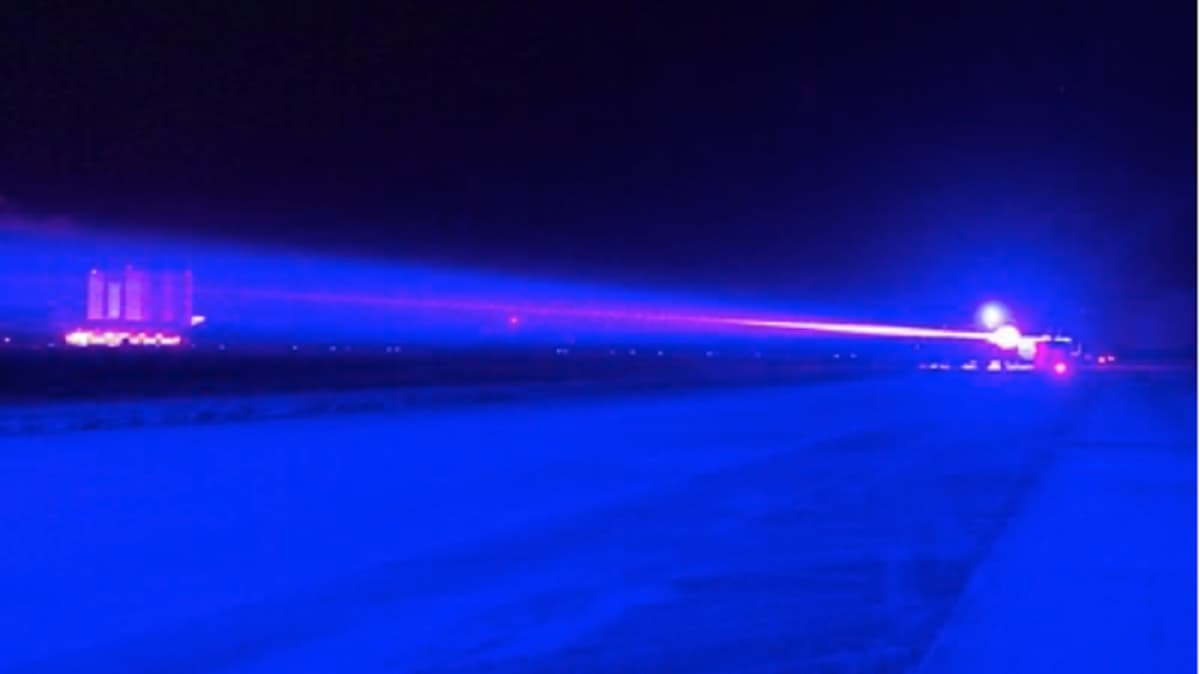
- •World‑record beaming and on‑orbit demo prove technology readiness.
- •Funding accelerates first in‑orbit grid demo and future missions.
Pulse Analysis
Space‑based operations have long been limited by the mass and size of onboard power sources, forcing designers to trade capability for battery capacity or solar panel area. Optical power beaming—concentrated sunlight transmitted via laser to a receiver—offers a way to decouple energy generation from the spacecraft itself, enabling on‑demand electricity without the need for retrofits. This technology promises to support high‑throughput communications, data‑intensive computing, and advanced sensing that current power budgets cannot sustain, positioning it as a cornerstone for next‑generation orbital services.
The $65 million Series A injection underscores investor confidence that orbital energy infrastructure will become as essential as terrestrial grids. B Capital, Shield Capital, and Cerberus Ventures see a parallel between the scaling of Earth‑based renewable networks and the emerging demand for shared power in low‑Earth orbit. With commercial constellations proliferating, defense agencies seeking resilient communications, and emerging lunar and Martian missions requiring reliable energy, Star Catcher’s solution addresses a market projected to reach tens of billions of dollars within the next decade. The company’s record‑setting beaming tests and successful on‑orbit subsystem validation differentiate it from competitors still in laboratory stages.
Looking ahead, the upcoming demonstration mission will test end‑to‑end power delivery to a client satellite, a critical step toward commercial rollout. If successful, the architecture can be replicated across multiple orbital planes, creating a modular, scalable grid that reduces launch mass and operational costs for customers. Regulatory frameworks for laser transmission in space are still evolving, but early engagement with agencies could set standards that favor Star Catcher’s approach. Ultimately, a functional space‑based power grid could catalyze a new wave of satellite capabilities, from AI‑driven Earth observation to secure communications, reshaping the economics of the space industry.
Deal Summary
Star Catcher Industries, the developer of the first orbital power grid, raised $65 million in an oversubscribed Series A round led by B Capital and co‑led by Shield Capital and Cerberus Ventures. The funding brings total capital raised to $88 million and will support its upcoming orbital power‑beaming demonstration and further development of space‑based energy infrastructure.
Comments
Want to join the conversation?
Loading comments...