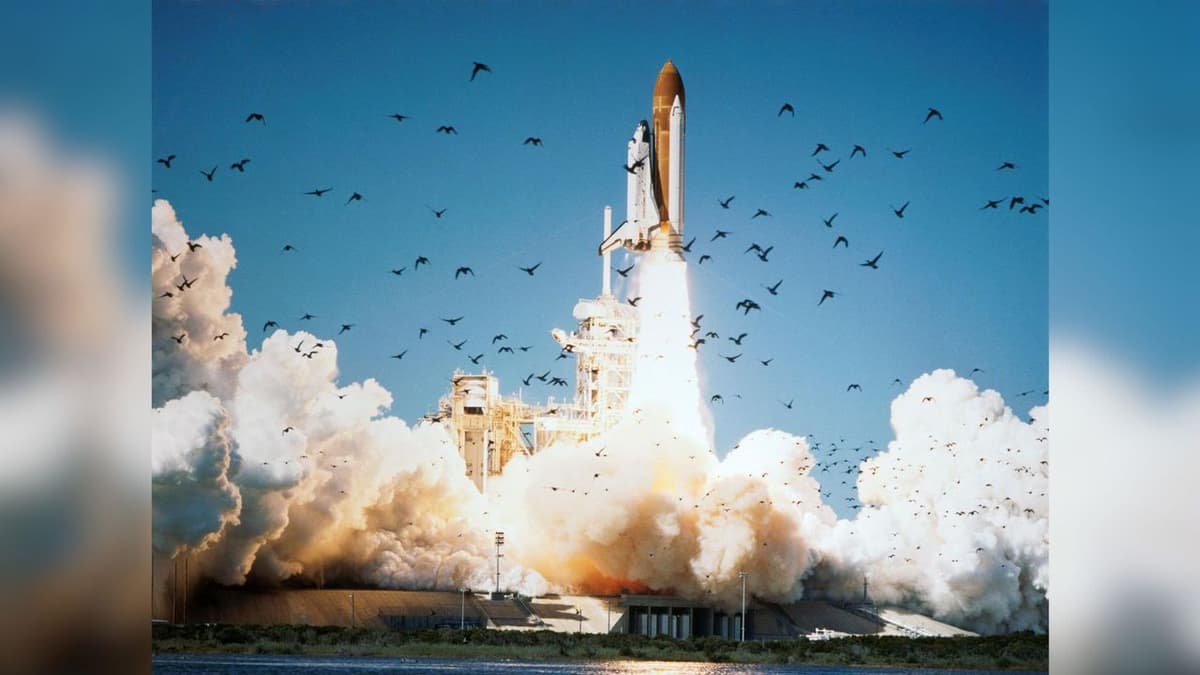
40 Years After the Space Shuttle Challenger Disaster, Spaceflight Remains Far From Routine
•January 28, 2026
0
Companies Mentioned


Why It Matters
The legacy of past accidents drives today’s risk‑management protocols, influencing both NASA’s Artemis program and the burgeoning commercial sector, making safety a decisive factor for the future of crewed spaceflight.
Key Takeaways
- •Challenger and Columbia accidents highlighted technical and managerial failures
- •Launch cadence now multiple per week, raising safety challenges
- •NASA’s “lessons learned” process guides Artemis crew decisions
- •Private firms increase crewed missions, but face their own setbacks
- •Historical tragedies shape modern risk management in human spaceflight
Pulse Analysis
The Challenger explosion in 1986 and Columbia breakup in 2003 remain defining moments for human spaceflight, each exposing a dangerous mix of engineering flaws and organizational pressure. The Rogers Commission and the Columbia Accident Investigation Board produced exhaustive reports that forced NASA to overhaul its decision‑making hierarchy, introduce independent safety reviews, and institutionalize a formal “lessons learned” process. These reforms not only restored public confidence but also set a benchmark for how agencies worldwide evaluate crew‑risk, making transparency and data‑driven analysis central to every launch.
Today launch cadence has accelerated from a handful of shuttle flights per year to multiple crewed missions each week, driven by NASA’s Artemis program and a competitive commercial market. Companies such as SpaceX, Blue Origin, Boeing and Virgin Galactic are delivering astronauts to the International Space Station and preparing for lunar voyages, yet they still grapple with technical setbacks—from New Shepard test failures to Starliner’s uncrewed return. The rapid tempo compresses testing windows, forcing engineers to balance speed with rigorous verification, while regulators lean on the historical accident reports to enforce safety thresholds.
As the industry pushes toward a sustainable presence on the Moon and eventually Mars, the old adage that history “rhymes” rather than repeats becomes a strategic asset. NASA’s cautionary stance—exemplified by Jeff Radigan’s warning against rushing Artemis missions—reflects a broader consensus that safety cannot be sacrificed for schedule. Integrating legacy lessons with modern digital twins, real‑time telemetry, and AI‑driven anomaly detection promises to reduce human error, but the fundamental challenge remains: aligning commercial ambition with the rigorous standards forged by past tragedies. The next decade will test whether that alignment can finally make crewed spaceflight routine.
40 years after the space shuttle Challenger disaster, spaceflight remains far from routine
0
Comments
Want to join the conversation?
Loading comments...