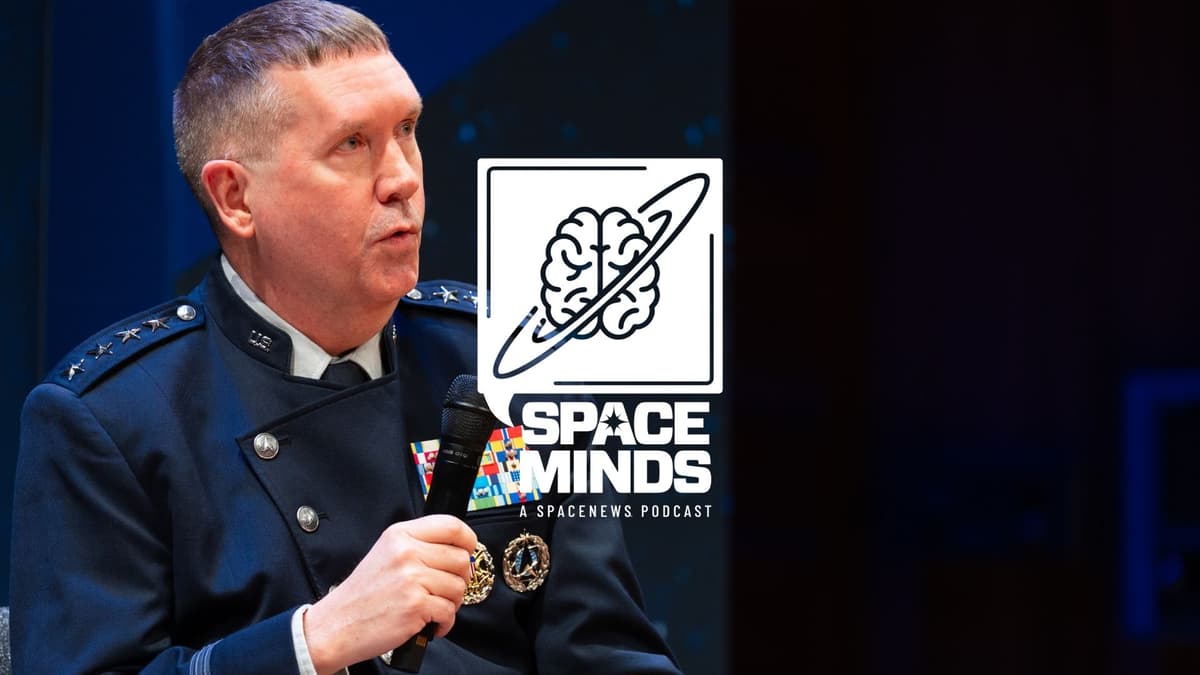
A Fireside Chat with Space Force Gen. Shawn Bratton
•January 30, 2026
0
Why It Matters
The roadmap defines how the Space Force will protect U.S. military advantage in an increasingly contested orbital domain, influencing defense budgets, industry contracts, and joint warfighting doctrine.
Key Takeaways
- •Objective force targets 2040 capability set
- •Program force funds seven‑year horizon
- •Commercial services will supply most space assets
- •Offensive space tools now under development
- •Acquisition reforms aim to speed capability delivery
Pulse Analysis
Gen. Shawn Bratton’s interview signals a decisive pivot for the U.S. Space Force from foundational structuring to operational readiness. By articulating an "objective force" for 2040, the service is aligning long‑term strategic goals—cislunar navigation, beyond‑geosynchronous command and control—with a nearer‑term "program force" that finances a seven‑year acquisition window. This dual‑track approach ensures that immediate combat‑ready capabilities are fielded while keeping an eye on the transformative technologies required for future dominance in space.
A central theme of the discussion is the growing reliance on commercial partners. Bratton described a "commercial‑as‑a‑service" model where industry supplies everything from missile‑warning satellites to navigation constellations, allowing the Space Force to focus on integration and mission assurance. This partnership strategy not only reduces procurement cycles but also leverages the rapid innovation cycles of the private sector, positioning the United States to outpace adversaries in both hardware and data services.
The interview also underscored emerging threat domains—electronic attack, GPS jamming, and cyber vulnerabilities—that demand new offensive and defensive tools. Bratton confirmed investments in directed‑energy and anti‑satellite capabilities, while calling for clearer policies on threshold responses. Coupled with acquisition reforms that blend operators with procurement experts, these initiatives aim to accelerate fielding of resilient space systems, ensuring the joint force retains decisive advantage across the contested orbital environment.
A fireside chat with Space Force Gen. Shawn Bratton
0
Comments
Want to join the conversation?
Loading comments...