A Quarter-Century in Orbit: Science Shaping Life on Earth and Beyond
Companies Mentioned

Why It Matters
These ISS discoveries accelerate medical therapies and sustainable food systems on Earth while de‑risking human health for deep‑space exploration, making them critical to both commercial biotech and NASA’s long‑term mission goals.
Key Takeaways
- •Microgravity enables higher-quality protein crystals for drug design.
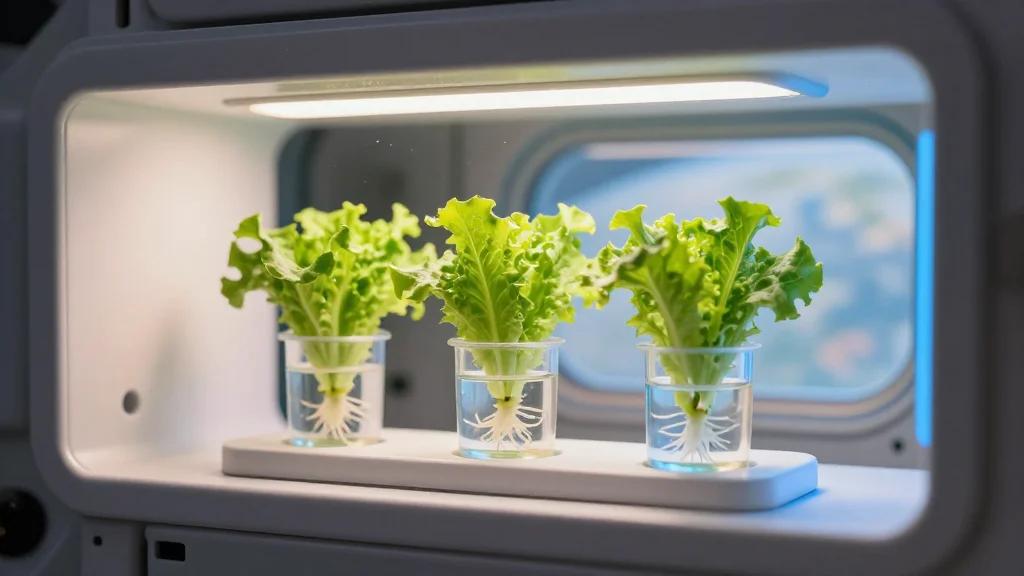
- •ISS plant experiments advance vertical farming and space food production.
- •Twins Study reveals lasting genetic and immune changes from spaceflight.
- •Spaceborne DNA sequencing supports real-time diagnostics on Earth.
- •CHAPEA analog missions test health countermeasures for Mars travel.
Pulse Analysis
Microgravity fundamentally alters how biomolecules assemble, allowing proteins to form larger, more ordered crystals than on Earth. This advantage has propelled investigations like the NanoRacks‑PCG Therapeutic Discovery project, delivering crystal structures that guide precision oncology drugs for leukemia, breast, and skin cancers. By revealing atomic‑level details previously obscured, space‑based crystallography shortens development cycles for biotech firms and creates new revenue streams for commercial partners seeking faster, more accurate drug pipelines.
Parallel to biomedical gains, the ISS’s Veggie and Advanced Plant Habitat modules have turned the station into a testbed for controlled‑environment agriculture. Researchers have cultivated lettuce, kale, radishes, and even flowering plants using hydroponic and aeroponic techniques, generating data on nutrient delivery, water recycling, and microbial dynamics in microgravity. These insights translate directly to vertical‑farm designs and off‑grid food production on Earth, enhancing resilience against climate stress while informing the engineering of lunar and Martian greenhouses essential for crew self‑sufficiency.
Human health research aboard the station completes the triad of impact. The Twins Study exposed lasting shifts in gene expression, telomere length, and immune function, providing a molecular blueprint for countermeasures against radiation and isolation. Coupled with Kate Rubins’ pioneering in‑flight DNA sequencing, the ISS now supports real‑time diagnostics that benefit remote medical teams on Earth. Analog programs such as CHAPEA extend these findings, testing behavioral and physiological safeguards in simulated Mars habitats, thereby de‑risking future Artemis and Mars missions while feeding back innovations to terrestrial healthcare and occupational health fields.
A quarter-century in orbit: Science shaping life on Earth and beyond
Comments
Want to join the conversation?
Loading comments...