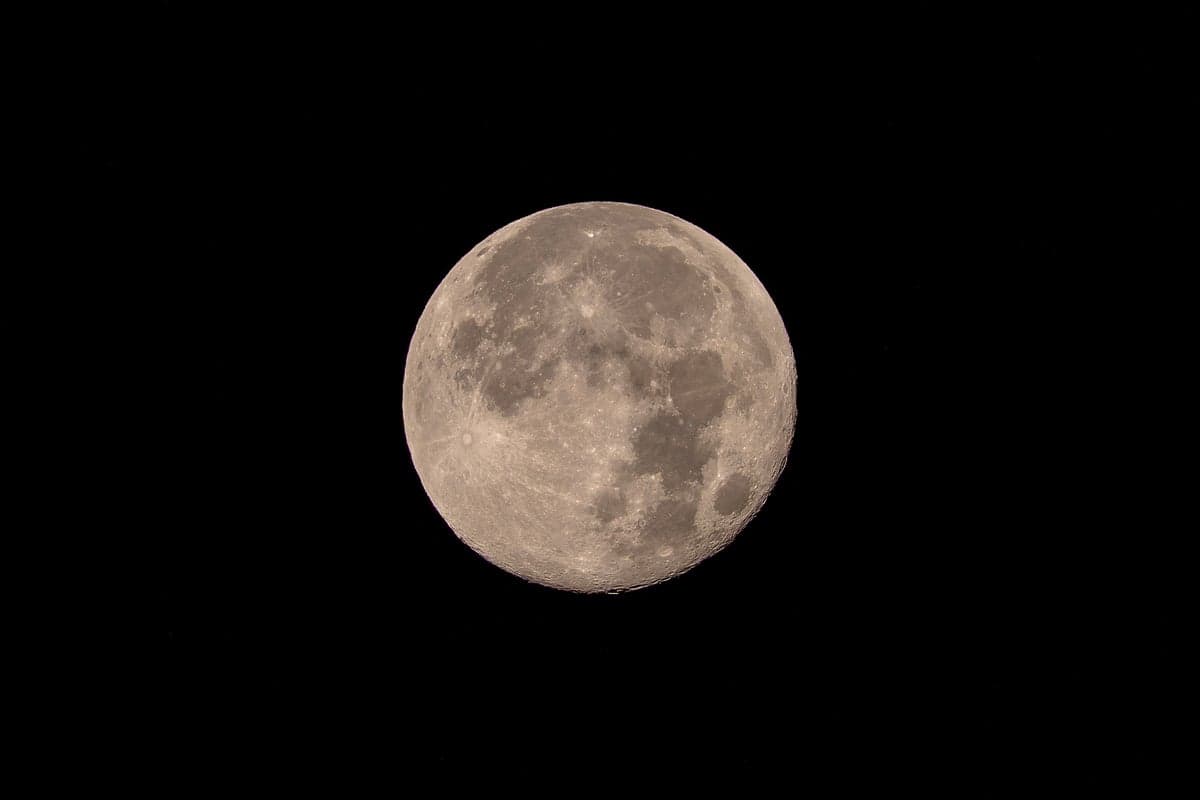
A SpaceX Rocket Booster May Be on Track to Hit the Moon in August
Companies Mentioned
Why It Matters
The impact illustrates how orbital debris can migrate to lunar orbit, threatening upcoming crewed missions and highlighting the need for debris‑mitigation policies beyond Earth’s immediate vicinity.
Key Takeaways
- •Falcon 9 booster will impact Moon on Aug 5 at ~5,400 mph
- •Impact highlights emerging lunar debris risk as missions increase
- •Solar radiation pressure altered booster’s trajectory after Earth re‑entry
- •Predicted crater near Einstein Crater; visibility from Earth limited
- •Experts warn future lunar debris field could threaten crewed missions
Pulse Analysis
The imminent crash of a SpaceX Falcon 9 booster into the Moon marks a rare but telling example of how space debris can travel far beyond the crowded low‑Earth orbit environment. The booster, originally tasked with deploying private lunar landers, survived its intended burn‑up phase and entered a high‑altitude orbit that intersected the Moon’s trajectory. Astronomer Bill Gray’s tracking software, which accounts for gravitational pulls and subtle solar radiation pressure, predicts a high‑speed impact near the western limb’s Einstein Crater. Though the event will likely leave a modest crater, its visibility from Earth will be limited, offering a live case study for scientists monitoring artificial impacts.
Beyond the spectacle, the incident raises a strategic alarm for agencies planning a return to the lunar surface. NASA’s Artemis program, alongside China’s lunar ambitions, envisions sustained human presence and infrastructure on the Moon within the next decade. As launch frequency rises, the probability of additional spent stages, fairings, and mission hardware accumulating in lunar orbit grows, potentially forming a debris field that could endanger habitats, rovers, and astronauts. Experts like John Crassidis warn that without proactive mitigation—such as end‑of‑life deorbiting plans or active debris removal—the Moon could inherit the same orbital clutter that now threatens satellites in Earth’s orbit.
Policymakers and industry leaders are therefore urged to extend current space‑debris guidelines to cislunar space. International coordination on tracking standards, mandatory disposal trajectories, and the development of lunar‑specific debris‑capture technologies could prevent the Moon from becoming a dumping ground. As commercial and governmental actors accelerate lunar exploration, integrating debris‑management into mission design will be essential to safeguard both scientific objectives and the safety of future crews.
A SpaceX rocket booster may be on track to hit the moon in August
Comments
Want to join the conversation?
Loading comments...