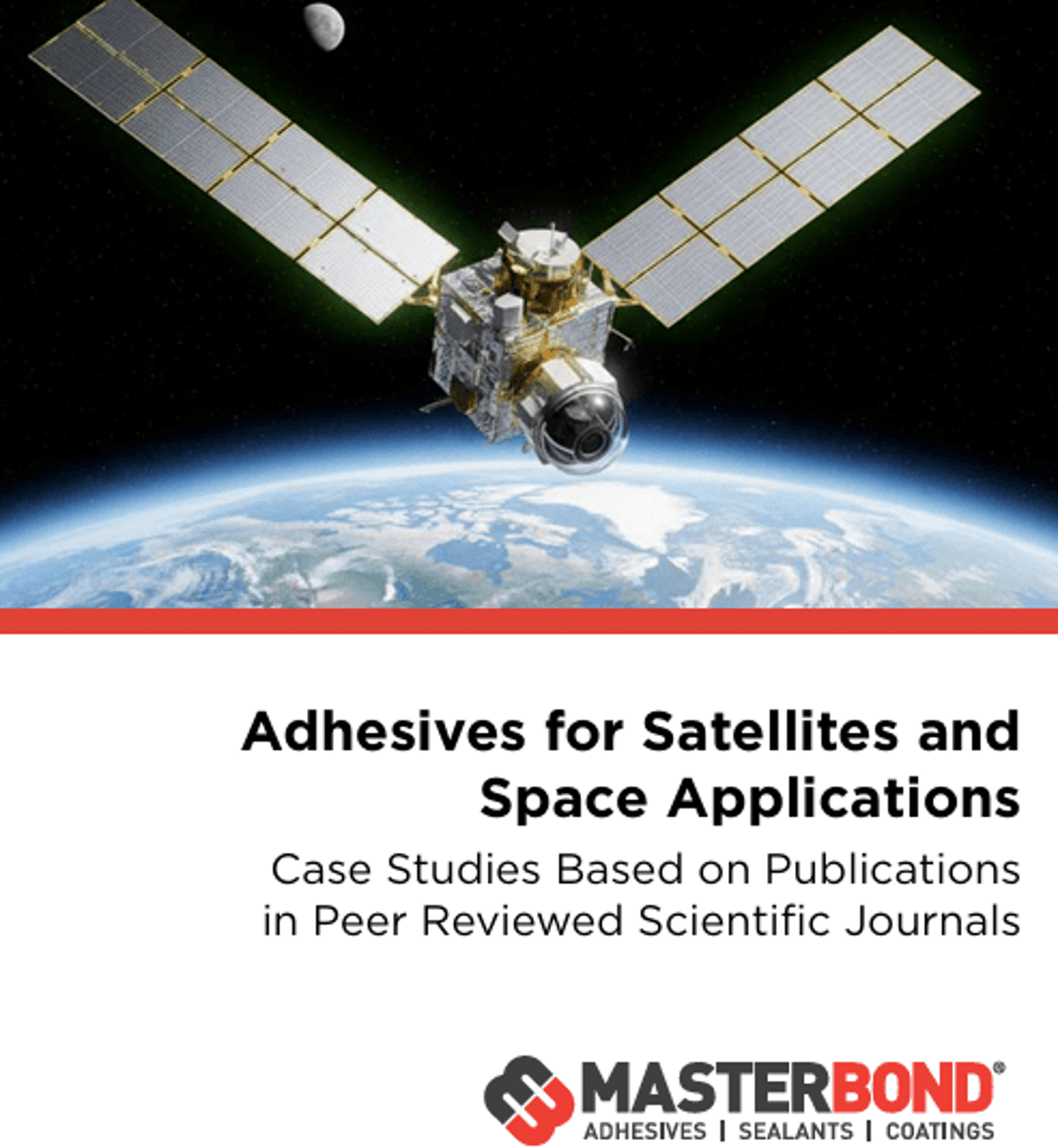
Adhesives for Satellites and Space Applications
Why It Matters
Adhesive failures can jeopardize multi‑billion‑dollar space missions, so robust bonding solutions directly affect mission success and industry ROI. The guidance accelerates qualification cycles, reducing development risk for aerospace manufacturers.
Key Takeaways
- •Advanced epoxies survive temperatures down to 4 K
- •Adhesives resist intense radiation and high vacuum in orbit
- •Case studies cover LEO satellites, deep‑space probes, ISS instruments
- •Selection criteria include structural strength, outgassing, and thermal cycling
- •Proper qualification ensures long‑duration mission reliability
Pulse Analysis
Spacecraft rely on more than metal fasteners; the adhesive layer often bears the brunt of thermal shock, radiation exposure, and vacuum‑induced outgassing. Modern epoxies engineered for aerospace can maintain tensile strength at temperatures approaching absolute zero while preventing micro‑cracking during repeated thermal cycles. This resilience is critical for components such as solar panel frames, antenna mounts, and optical benches, where any structural compromise could cascade into system‑wide failures.
The Master Bond publication compiles peer‑reviewed case studies that demonstrate how engineers evaluate adhesive candidates against stringent aerospace standards. For low‑Earth‑orbit satellites, the focus is on rapid outgassing rates and resistance to atomic oxygen erosion. Deep‑space probes demand adhesives that endure prolonged radiation doses and cryogenic storage, while International Space Station hardware emphasizes re‑usability and ease of repair in microgravity. By detailing qualification protocols—ranging from thermal vacuum testing to vibration and shock assessments—the ebook provides a roadmap for reducing qualification timelines and ensuring compliance with NASA and ESA material specifications.
Industry analysts see adhesive technology as a growth vector within the $5 billion space‑hardware market. As missions become more ambitious—think lunar habitats and Mars sample‑return vehicles—the demand for lightweight, high‑performance bonding solutions will surge. Companies that invest in proprietary epoxy formulations and robust qualification frameworks can capture market share by offering lower‑mass structures and longer service lives. The ebook’s insights thus serve not only engineers on the drawing board but also executives shaping supply‑chain strategies for the next generation of space exploration.
Adhesives for Satellites and Space Applications
Comments
Want to join the conversation?
Loading comments...