Amazon Expects to Increase Spending on Amazon Leo by $1B in 2026
•February 9, 2026
0
Companies Mentioned


Why It Matters
The extra $1 billion underscores Amazon’s commitment to compete in the growing satellite‑internet market and to monetize its AWS‑linked services. Faster, secure connectivity could attract enterprise customers and accelerate revenue beyond consumer broadband.
Key Takeaways
- •Amazon adds $1B spending for Leo in 2026.
- •Over 20 launches planned for 2026, 30 in 2027.
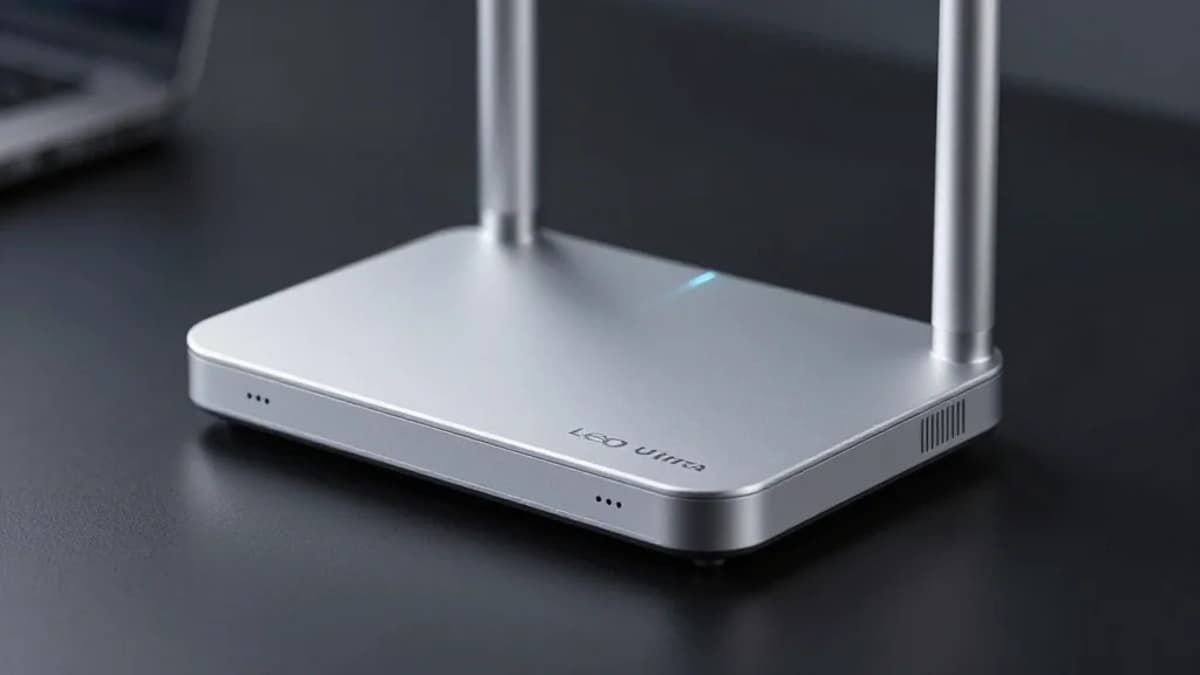
- •Leo Ultra provides up to 1 Gbps download, 400 Mbps upload.
- •Full constellation expected by July 2029 after FCC extension.
- •Amazon bought ten extra Falcon 9 launches for 2025‑26.
Pulse Analysis
The satellite‑internet sector is heating up as incumbents like SpaceX, OneWeb, and Amazon vie for a slice of the multi‑billion‑dollar market. Amazon’s decision to inject an additional $1 billion into the Leo program signals a strategic push to close the gap with rivals and to leverage its massive cloud ecosystem. By expanding its launch cadence, Amazon can accelerate the deployment of the 3,236‑satellite network, improving coverage density and reducing latency for both consumer and enterprise users.
At the heart of Leo’s value proposition is the Leo Ultra terminal, which promises gigabit‑class download speeds and robust 400 Mbps uplink rates. Coupled with end‑to‑end encryption and a direct AWS backbone, the terminal offers enterprises a private, high‑performance alternative to public internet pathways. This integration enables seamless data migration to cloud services, low‑latency edge computing, and secure private networking—features increasingly demanded by industries such as mining, maritime, and remote manufacturing.
Operationally, Amazon’s launch strategy hinges on diversifying launch providers. Recent purchases of ten additional SpaceX Falcon 9 slots, alongside an upcoming Arianespace Ariane 64 mission, mitigate the risk of launch bottlenecks that have plagued the industry. The FCC‑approved timeline, targeting full constellation deployment by July 2029, reflects both regulatory flexibility and Amazon’s confidence in meeting its rollout milestones. Successful execution could translate into significant market share gains, positioning Amazon Leo as a cornerstone of the next generation of global broadband connectivity.
Amazon Expects to Increase Spending on Amazon Leo by $1B in 2026
0
Comments
Want to join the conversation?
Loading comments...