Amazon's Internet-Beaming Satellites Are Bright Enough to Disrupt Astronomical Research, Study Finds
•January 25, 2026
0
Companies Mentioned


Why It Matters
Excess satellite brightness degrades astronomical data quality and could force stricter regulations on megaconstellations, affecting the satellite‑internet market.
Key Takeaways
- •Amazon Leo satellites exceed IAU brightness limits.
- •Average magnitude 6.28; visible in 25% observations.
- •Future lower orbits will increase satellite brightness.
- •Amazon collaborates with astronomers to reduce reflectivity.
- •Satellites still dimmer than BlueBird, slightly fainter than Starlink.
Pulse Analysis
The rapid deployment of satellite megaconstellations has sparked a clash between commercial connectivity goals and the scientific community’s need for dark, unobstructed skies. The International Astronomical Union (IAU) recommends a strict brightness ceiling to preserve the integrity of ground‑based and space‑based observations. Amazon’s Leo network, now at 180 operational units, already surpasses this threshold, highlighting a growing regulatory gap as more operators launch thousands of spacecraft into low‑Earth orbit.
Brightness is quantified by apparent magnitude; Leo’s average of 6.28 sits just above the naked‑eye visibility limit but is bright enough to imprint streaks on long‑exposure images. This interferes with large‑scale surveys like the Vera C. Rubin Observatory, which rely on pristine night‑sky conditions, and can even affect orbital telescopes such as Hubble. Compared with SpaceX’s Starlink, Leo satellites are marginally fainter, yet they lack the same shadow‑time advantage because they orbit at a higher altitude, making them more consistently illuminated.
Industry response has shifted toward engineering mitigations. Amazon is testing mirror‑like coatings and strategic orientation to redirect sunlight away from Earth, a practice already adopted by SpaceX and AST SpaceMobile. Early dialogue with astronomers has yielded measurable reductions in reflected light, suggesting that collaborative design can reconcile commercial ambitions with scientific preservation. As the constellation expands toward the planned 3,200 satellites, continued transparency and adherence to IAU guidelines will be critical to avoid stricter policy interventions that could reshape the satellite‑internet business model.
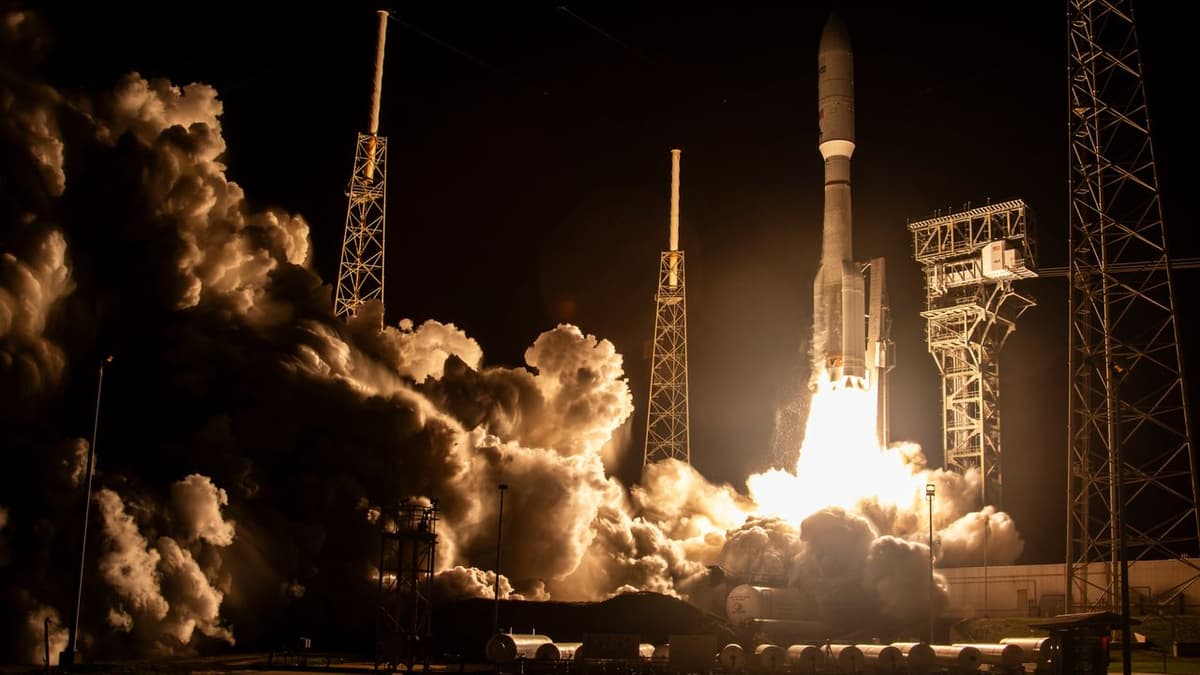
Amazon's internet-beaming satellites are bright enough to disrupt astronomical research, study finds
0
Comments
Want to join the conversation?
Loading comments...