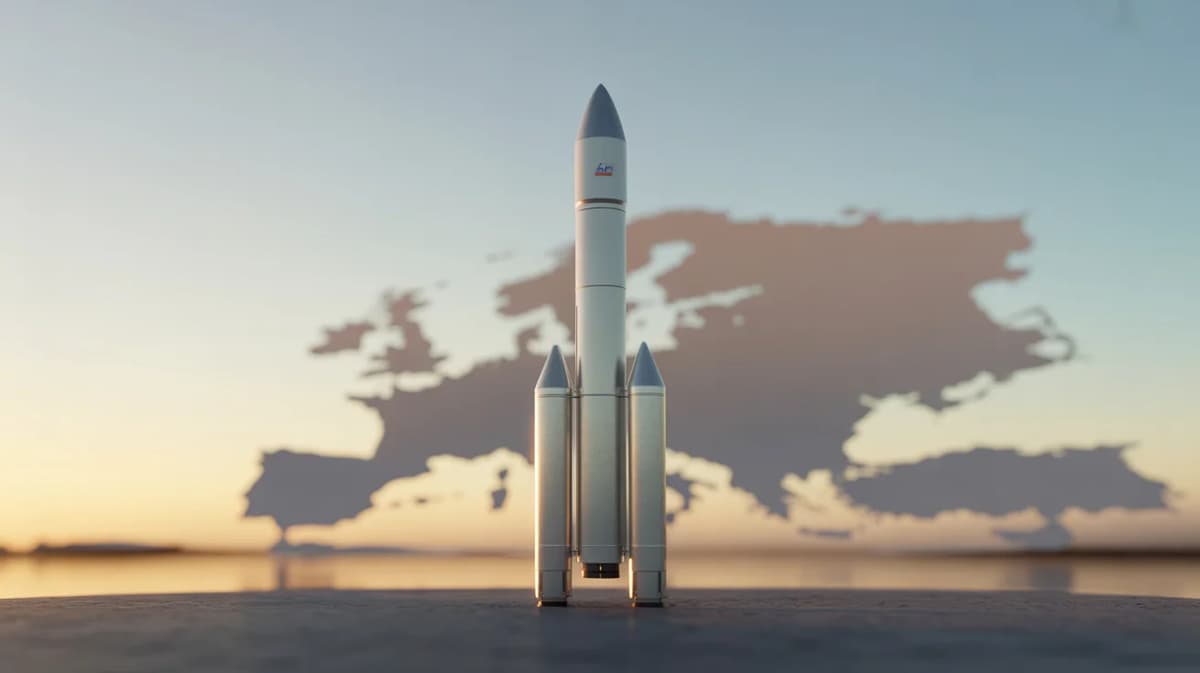
An Excellent Summary of Europe’s Rocket Companies, Both Established and Startups
•January 6, 2026
0
Companies Mentioned


Why It Matters
The surge of European launch startups diversifies the global market, reducing reliance on traditional providers and fostering regional innovation. Successful 2026 flights could accelerate Europe’s competitiveness in satellite deployment and space services.
Key Takeaways
- •ArianeGroup and Avio remain Europe’s established launch leaders
- •Dozens of startups listed, most yet to launch
- •Three startups aim for first flights in 2026
- •Momentum builds despite high technical risk
- •Report offers quick status snapshots for each firm
Pulse Analysis
Europe’s launch landscape is undergoing a rapid transformation as a new generation of private firms joins legacy players like ArianeGroup and Avio. While the established giants continue to dominate medium‑to‑heavy lift markets, startups are carving niches in small‑satellite delivery, reusable propulsion, and rapid‑response launch services. This diversification mirrors trends in the United States and Asia, where commercial agility has driven cost reductions and increased launch cadence. Investors are taking note, channeling venture capital into European propulsion technologies, composite structures, and autonomous ground operations, all of which could reshape the continent’s space value chain.
The upcoming 2026 maiden flights represent a critical inflection point. Successful launches will validate business models, unlock revenue streams, and attract further funding, while failures could temper enthusiasm and delay market entry. Regulatory frameworks, such as the European Space Agency’s launch licensing reforms, are being streamlined to support faster approvals, yet safety and environmental standards remain stringent. Companies that can balance rapid development with compliance are poised to capture contracts from both governmental programs and commercial satellite constellations seeking affordable, low‑latency access to orbit.
Beyond the immediate commercial implications, Europe’s burgeoning launch sector strengthens strategic autonomy. By cultivating indigenous launch capabilities, the region reduces dependence on non‑European providers, enhancing security for critical communications, Earth‑observation, and defense payloads. The growing ecosystem also fuels talent development, research collaborations, and supply‑chain resilience across the EU. As the sector matures, Europe could emerge as a hub for niche launch services, complementing global players while driving innovation in sustainable propulsion and reusable launch architectures.
An excellent summary of Europe’s rocket companies, both established and startups
0
Comments
Want to join the conversation?
Loading comments...