Anduril Wins Share of $1.8 B Space Force GEO Contract

Companies Mentioned

Why It Matters
Anduril’s win illustrates the Pentagon’s willingness to diversify its supplier base, bringing commercial‑grade agility to a domain traditionally dominated by a handful of large contractors. The contract also highlights the growing priority of space domain awareness, as the United States seeks to protect its most valuable orbital assets against both kinetic and non‑kinetic threats. By embedding autonomous rendezvous and proximity operations into GEO satellites, the Space Force aims to reduce detection gaps and improve response times to potential adversary actions. Successful execution could set a new standard for how the U.S. monitors and defends its space infrastructure, influencing future budget allocations and shaping the competitive dynamics of the SpaceTech industry.
Key Takeaways
- •Anduril awarded a task order in the $1.8 billion, 10‑year Andromeda GEO surveillance program
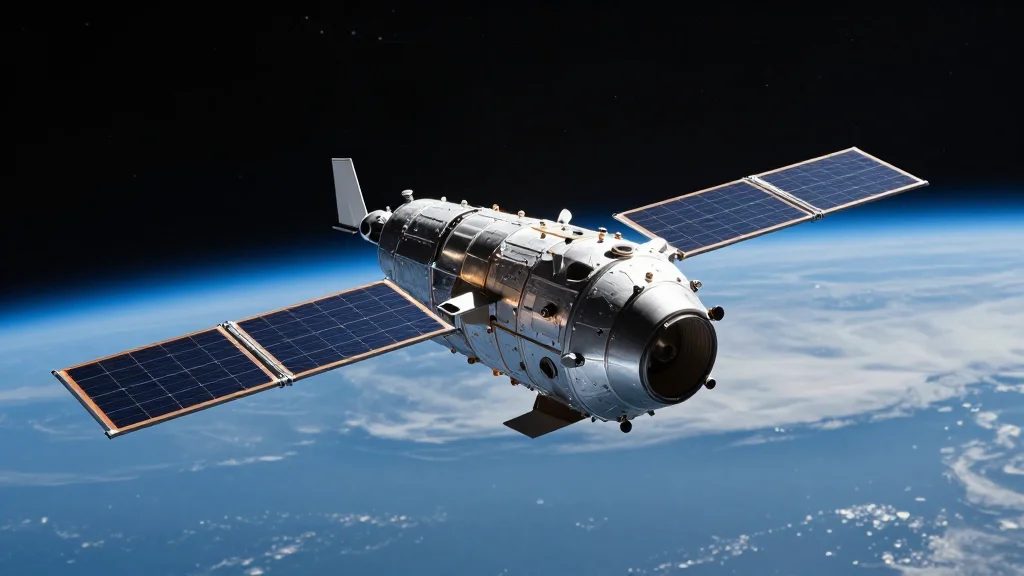
- •Program targets autonomous satellites that can inspect and monitor U.S. GEO assets by 2030
- •Anduril joins 13 other firms, including Lockheed Martin, Northrop Grumman, and BAE Systems
- •Initial RG‑XX task order expected to be issued within weeks, with launch milestones set for 2030
- •Contract aligns with the Space Force’s $21.6 billion allocation for space control in FY 2027
Pulse Analysis
Anduril’s entry into the Andromeda program signals a broader shift in defense procurement toward modular, software‑centric solutions. Historically, GEO satellite programs have been characterized by long development cycles and high unit costs. By leveraging its expertise in AI‑driven autonomy, Anduril can offer a lower‑cost, faster‑to‑orbit alternative that aligns with the Space Force’s demand for rapid fielding. This could force legacy contractors to accelerate their own digital transformation initiatives or risk losing future work.
The contract also serves as a litmus test for the viability of commercial‑style satellite constellations in a national‑security context. If Anduril can demonstrate reliable proximity operations and real‑time data analytics, it may unlock a new class of responsive space assets that can be re‑tasked on short notice. Such capability would be especially valuable in contested environments where traditional ground‑based tracking is vulnerable to jamming or cyber‑attack.
Looking ahead, the success of the Andromeda program could reshape the funding architecture for space defense. A proven autonomous GEO constellation may attract additional budget lines for follow‑on missions, potentially expanding the market for small‑sat manufacturers and AI software providers. For investors, Anduril’s progress offers a concrete metric to gauge the commercial upside of defense‑grade space autonomy, making the company a focal point for both defense and venture capital interest.
Anduril Wins Share of $1.8 B Space Force GEO Contract
Comments
Want to join the conversation?
Loading comments...