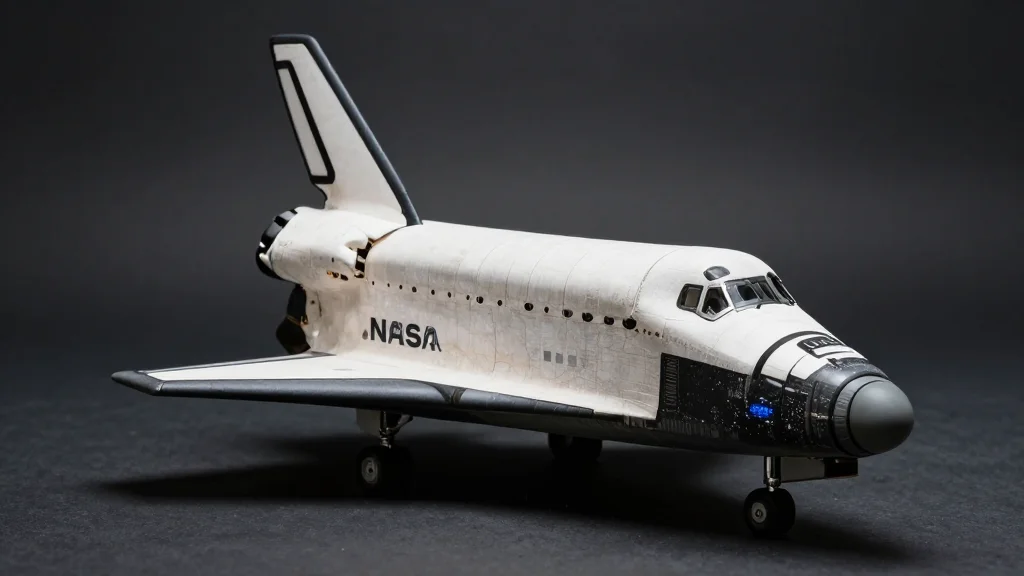
April 12, 1981: Columbia Lifts of for the First Space Shuttle Mission
Why It Matters
Columbia’s success launched the era of reusable launch vehicles, influencing modern commercial spaceflight and informing safety standards after the Challenger and Columbia disasters.
Key Takeaways
- •STS‑1 launched Columbia, marking first reusable spacecraft flight
- •Columbia’s two‑day mission proved launch and re‑entry capability
- •Shuttle fleet serviced Hubble, ISS, and 355 astronauts
- •Program ended 2011 after 30 years, 135 missions total
Pulse Analysis
The launch of Columbia on April 12, 1981, was the culmination of a decade‑long vision championed by President Nixon to create a reusable spacecraft that could lower the cost of access to orbit. STS‑1’s flawless performance demonstrated that a winged vehicle could survive both the rigors of launch and the heat of re‑entry, proving a concept that had previously seemed speculative. This breakthrough gave NASA a platform to transition from expendable rockets to a fleet capable of rapid turnaround, setting a new operational paradigm for the United States.
During its 30‑year lifespan, the shuttle fleet became a workhorse for scientific, commercial, and diplomatic missions. The orbiters deployed and repaired satellites, most famously the Hubble Space Telescope, and were instrumental in assembling the International Space Station, a multinational endeavor that would not exist without their cargo capacity and on‑orbit maneuverability. The program also provided a unique laboratory for microgravity research, yielding advances in materials science, medicine, and Earth observation. With 355 astronauts flying on 135 missions, the shuttles cultivated a generation of spaceflight expertise that fed into later programs and private sector talent pools.
The legacy of Columbia and its sister shuttles reverberates in today’s commercial launch market. Companies such as SpaceX and Blue Origin have built upon the reusable‑vehicle principles pioneered by NASA, achieving rapid turnaround and lower launch costs that were once aspirational. Moreover, the tragedies of Challenger and Columbia forced a cultural shift toward rigorous safety oversight, influencing regulatory frameworks that govern current human‑spaceflight operations. As the industry eyes missions to the Moon and Mars, the shuttle era remains a benchmark for balancing ambition, risk, and the economic realities of space exploration.
April 12, 1981: Columbia lifts of for the first space shuttle mission
Comments
Want to join the conversation?
Loading comments...