April 13, 2026 Quick Space Links
Why It Matters
The updates highlight accelerating competition in lunar exploration, rising geopolitical risks for Russian launch sites, and a strategic realignment of satellite manufacturing that could lower costs and expand broadband access in aviation.
Key Takeaways
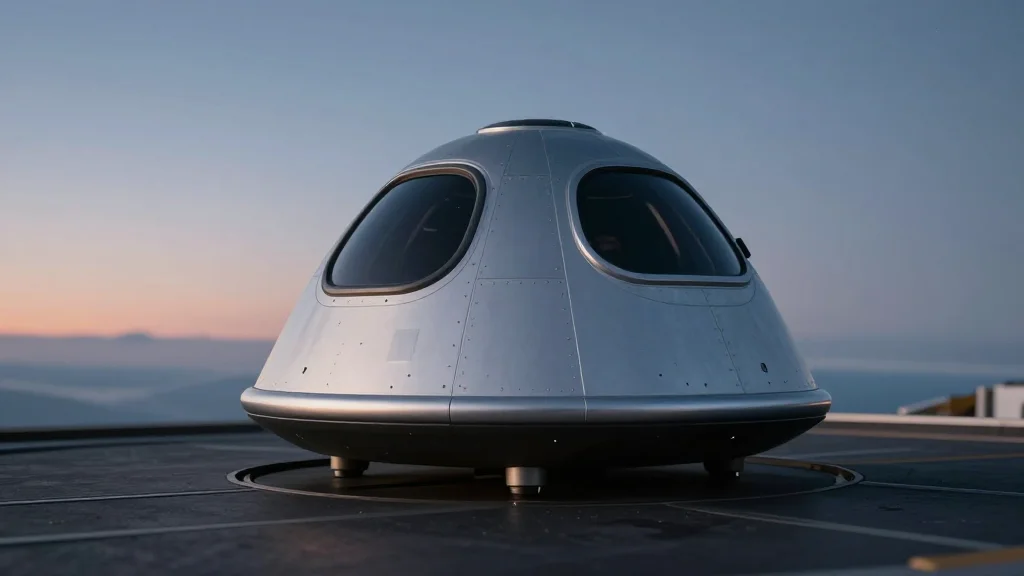
- •Artemis-2 Orion capsule inspected, heat shield limits visual detail
- •ISRO tests Chandrayaan-5 landing engine for 2028 lunar launch
- •China's Chang’e-7 hopper aims to drill ice in shadowed craters
- •Roscosmos alleges Ukrainian drone attack on Plesetsk during Russvet launch
- •SpaceX shifts Starlink hardware production to Texas, hiring new director
Pulse Analysis
The Artemis‑2 Orion capsule’s recent inspection underscores NASA’s momentum toward a crewed lunar flyby, a milestone that dovetails with parallel international efforts. India’s ISRO has cleared the critical landing‑engine test for Chandrayaan‑5, targeting a 2028 launch that will carry a Japanese‑built rover, while China’s Chang’e‑7 mini‑hopper aims to breach the permanently shadowed craters near the south pole later this year. Together, these programs illustrate a multi‑nation race to secure water‑ice resources, a prerequisite for sustainable lunar habitats and future deep‑space missions.
Geopolitical tension resurfaced when Roscosmos reported a suspected Ukrainian drone strike on the Plesetsk cosmodrome amid the aborted launch of Russia’s Russvet internet satellite constellation. The incident highlights the vulnerability of launch infrastructure in contested regions and could prompt tighter security protocols. Meanwhile, SpaceX’s decision to relocate Starlink hardware production from California to Texas reflects a broader industry trend toward lower‑cost, regulatory‑friendly sites. By establishing a new Texas facility and recruiting a dedicated director, SpaceX aims to streamline its supply chain, potentially accelerating the rollout of its next‑generation broadband satellites.
Commercial connectivity is also gaining traction as Virgin Atlantic accelerates the integration of Starlink Wi‑Fi on its fleet to May, ahead of the originally planned July rollout. This move signals airlines’ growing appetite for high‑speed, low‑latency internet to differentiate passenger experience and open new revenue streams. The historical nods to Yuri Gagarin’s 1961 orbit and Columbia’s inaugural shuttle flight serve as reminders of how far spaceflight has progressed—from pioneering human spaceflight to today’s ubiquitous satellite services that bridge the gap between orbit and everyday life.
April 13, 2026 Quick space links
Comments
Want to join the conversation?
Loading comments...