April 29, 2003: BeppoSAX’s Journey Ends
Why It Matters
BeppoSAX set the standard for rapid GRB localization, shaping subsequent space‑based observatories and accelerating multi‑wavelength astrophysics research.
Key Takeaways
- •BeppoSAX launched April 30, 1996, operated until April 2002.
- •Provided first arc‑minute localizations for Gamma‑Ray Bursts.
- •Enabled ~1,500 scientific papers by March 2002.
- •Reentered atmosphere April 29, 2003, debris fell in Pacific Ocean.
- •Demonstrated value of international collaboration in X‑ray astronomy.
Pulse Analysis
When the Italian Space Agency and the Netherlands Agency for Aerospace Programs lifted BeppoSAX into orbit in 1996, they introduced a satellite that combined broad X‑ray spectral coverage with rapid response capabilities. Its suite of detectors could pinpoint faint X‑ray sources and, crucially, deliver positions for Gamma‑Ray Bursts with arc‑minute precision—a breakthrough that transformed how astronomers coordinated ground‑based follow‑ups. The mission’s data pipeline, shared with observatories worldwide, fostered a new era of collaborative, time‑critical astronomy.
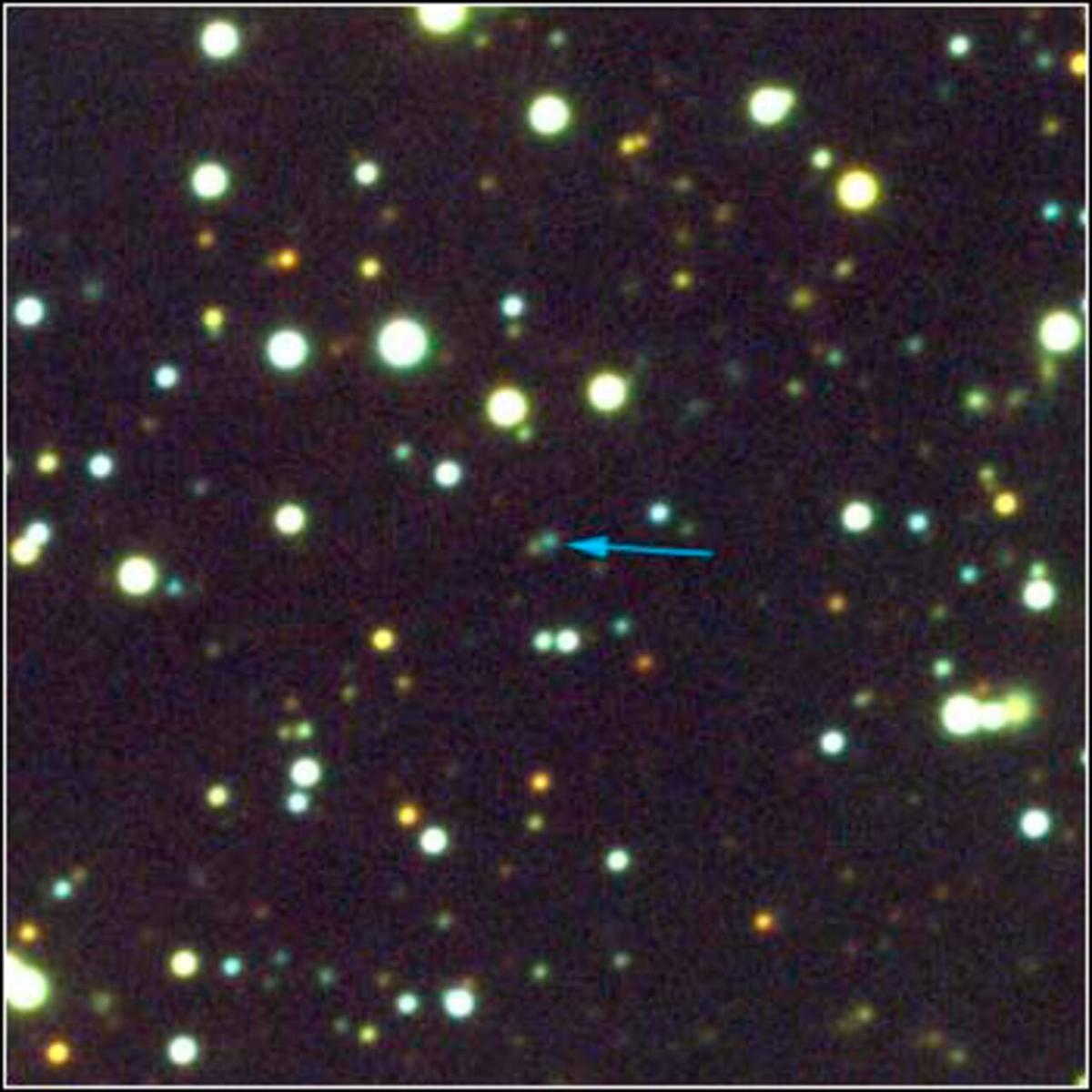
BeppoSAX’s most celebrated contribution was its role in the GRB revolution. By delivering accurate locations within hours, it enabled telescopes such as the Blanco 4‑meter at Cerro Tololo to capture afterglows, confirming the cosmological distances of GRBs. This capability directly inspired the design of later missions like NASA’s Swift and Fermi, which built on BeppoSAX’s rapid‑slew and localization concepts. The satellite’s prolific output—about 1,500 peer‑reviewed papers—spanned studies of X‑ray binaries, active galactic nuclei, and transient phenomena, establishing a rich legacy of high‑energy astrophysics.
The end of BeppoSAX’s operational life in 2002, followed by its atmospheric re‑entry in 2003, underscored the challenges of funding long‑term space science. Yet the mission demonstrated how international partnerships can stretch limited budgets while delivering world‑class science. Its success paved the way for next‑generation X‑ray observatories such as ESA’s Athena and the Chinese‑European eXTP, which aim to probe the universe with even finer resolution. BeppoSAX remains a benchmark for how targeted, collaborative missions can reshape an entire field.
April 29, 2003: BeppoSAX’s journey ends
Comments
Want to join the conversation?
Loading comments...