Companies Mentioned

NASA
Why It Matters
The test validates critical propellant loading and safety procedures for the first crewed Artemis mission, keeping NASA’s lunar timetable on track.
Key Takeaways
- •NASA gave “go” for tanking at 10:45 a.m. EST
- •Nitrogen inerting replaces air to prevent combustion during countdown
- •Countdown clock resumes, targeting 9 p.m. EST launch window
- •Wet‑dress rehearsal runs through approx 1 a.m. Feb 3
Pulse Analysis
The Artemis 2 wet‑dress rehearsal is more than a procedural checklist; it serves as a full‑scale rehearsal of the Space Launch System (SLS) and Orion crew capsule integration. By swapping atmospheric oxygen for inert nitrogen, NASA creates a non‑reactive environment that safeguards high‑energy hardware during propellant loading. This inerting step, coupled with rigorous moisture and particulate control, mirrors the conditions the vehicle will face on an actual launch, providing engineers with real‑time data on system cleanliness and thermal stability.
A critical milestone in the rehearsal was the "go" for tanking, granted after a comprehensive weather and safety briefing. Tanking initiates the transfer of liquid oxygen and liquid hydrogen into the core stage and the Interim Cryogenic Propulsion Stage, a process that involves multiple chill‑down and fill phases. The precise timing of these operations, coordinated through a series of built‑in holds, tests the launch team’s ability to manage the complex countdown architecture while preserving the narrow launch window.
Successful completion of this rehearsal has broader implications for the commercial space sector and NASA’s lunar roadmap. Demonstrating reliable inerting, propellant loading, and countdown hold procedures reduces risk for the upcoming crewed Artemis 2 flight, reinforcing confidence among partners and investors. Moreover, the data gathered will inform future SLS upgrades and support the cadence needed for sustained lunar exploration, positioning the United States to maintain leadership in deep‑space missions.
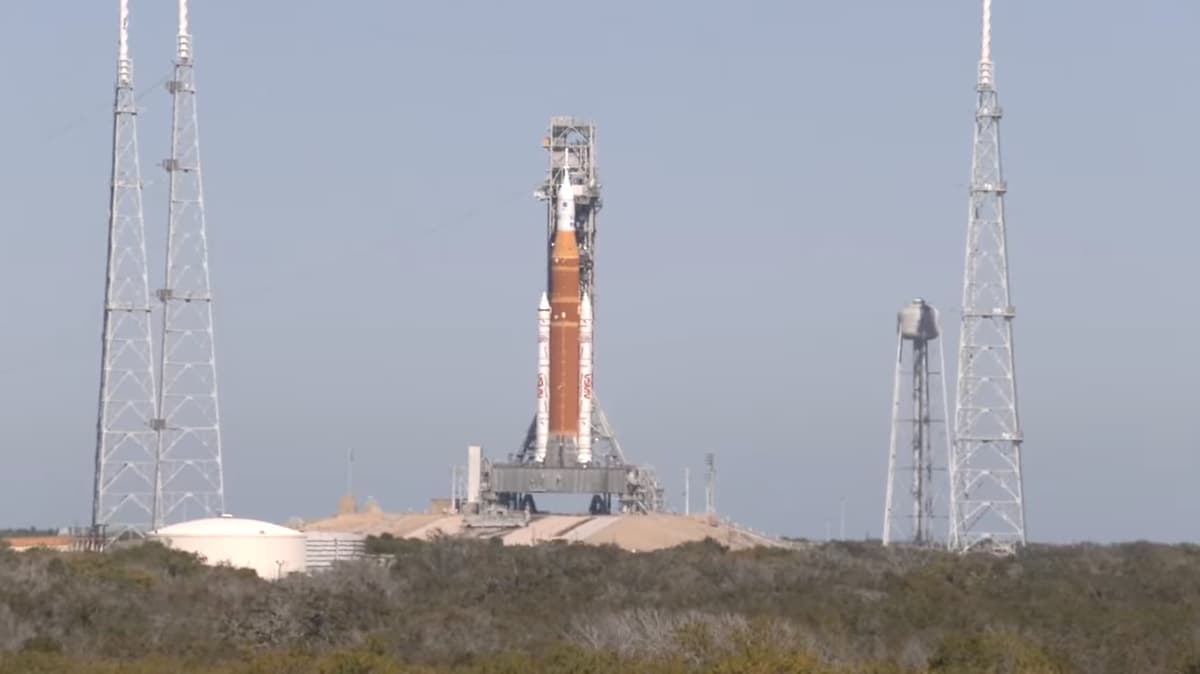
Artemis 2 wet dress rehearsal “go” for tanking
0
Comments
Want to join the conversation?
Loading comments...