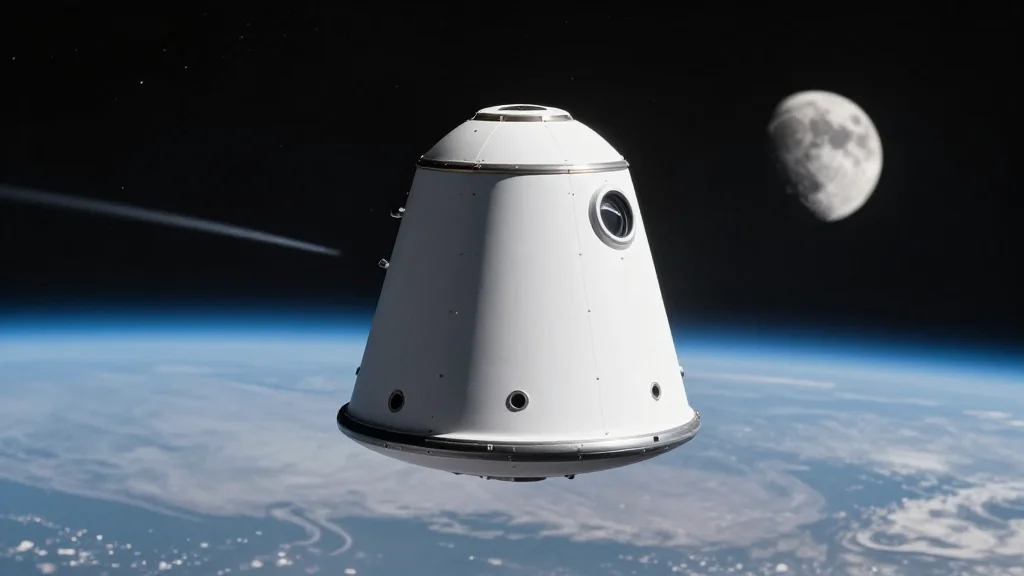
Artemis II: As Humans Return to the Moon, Which of These 4 Futures Will We Choose?
Companies Mentioned
Why It Matters
The regulatory path chosen now will decide whether lunar resources become a shared asset or a flashpoint for geopolitical rivalry, directly influencing commercial investment, national security, and long‑term sustainability.
Key Takeaways
- •Artemis II crew completed lunar flyby, splashdown pending
- •Artemis Accords introduce exclusive “safety zones” for lunar mining
- •Orbital debris exceeds one million 1‑cm fragments, risking access
- •Researchers propose Earth‑space sustainability model with Indigenous co‑governance
Pulse Analysis
The Artemis II flight marks a watershed moment for human spaceflight, delivering the first crewed loop around the Moon in over half a century. Beyond the spectacular imagery, the mission re‑energizes NASA’s Artemis program and signals renewed private‑sector interest in lunar infrastructure. By demonstrating the technical feasibility of deep‑space operations, Artemis II lowers the barrier for future habitats, mining ventures, and scientific outposts, while also providing a high‑visibility platform for international collaboration or competition.
At the policy frontier, the mission surfaces a clash between the 1967 Outer Space Treaty’s commons‑based ethos and the newer Artemis Accords, which allow signatories to claim exclusive “safety zones” around lunar activities. Critics contend these zones create a de‑facto loophole for resource extraction, potentially sparking a new space race reminiscent of Cold‑War dynamics. The legal debate is not merely academic; it shapes licensing regimes, investment risk assessments, and the strategic calculus of nations like the United States and China as they vie for lunar footholds.
A third, emerging narrative pushes for an Earth‑space sustainability framework that treats the Moon and orbital environment as extensions of Earth’s ecosystem. Scholars and Indigenous leaders advocate co‑governance structures that embed reciprocity, shared responsibility, and enforceable sustainability metrics such as the Space Sustainability Rating. If adopted, this model could align commercial incentives with long‑term environmental stewardship, mitigating orbital debris and preserving lunar resources for future generations. The direction chosen now will dictate whether humanity’s return to the Moon becomes a catalyst for shared prosperity or a source of conflict.
Artemis II: As humans return to the Moon, which of these 4 futures will we choose?
Comments
Want to join the conversation?
Loading comments...