Artemis II Crew Completes Lunar Flyby, Eyes Pacific Splashdown

Why It Matters
Artemis II’s successful lunar flyby validates the Space Launch System and Orion as the backbone of NASA’s deep‑space architecture, proving that the United States can once again send humans beyond low‑Earth orbit. The mission’s record‑breaking distance and scientific observations provide critical data for upcoming commercial lander contracts, informing site selection and resource mapping for a sustainable lunar presence. Equally important, the heat‑shield warning spotlights the engineering risk that could jeopardize crew safety and public confidence. A flawless re‑entry will reinforce trust in NASA’s ability to manage complex, high‑energy missions, while any failure could trigger budgetary scrutiny and political pushback, especially as the program faces criticism over perceived politicization and DEI spending. The outcome will influence the pace of Artemis III and the broader Moon‑to‑Mars roadmap.
Key Takeaways
- •Artemis II crew traveled 252,756 miles, surpassing Apollo 13’s record by ~4,100 miles
- •Four‑day return trajectory includes a free‑return path and a Pacific splashdown at 8:07 p.m. ET
- •NASA Administrator Jared Isaacman warned there is "no plan B" if Orion’s heat shield fails
- •Crew captured high‑resolution images of the far‑side Orientale basin and other geological features
- •Mission’s success sets the stage for Artemis III launch next year and a lunar landing by 2028
Pulse Analysis
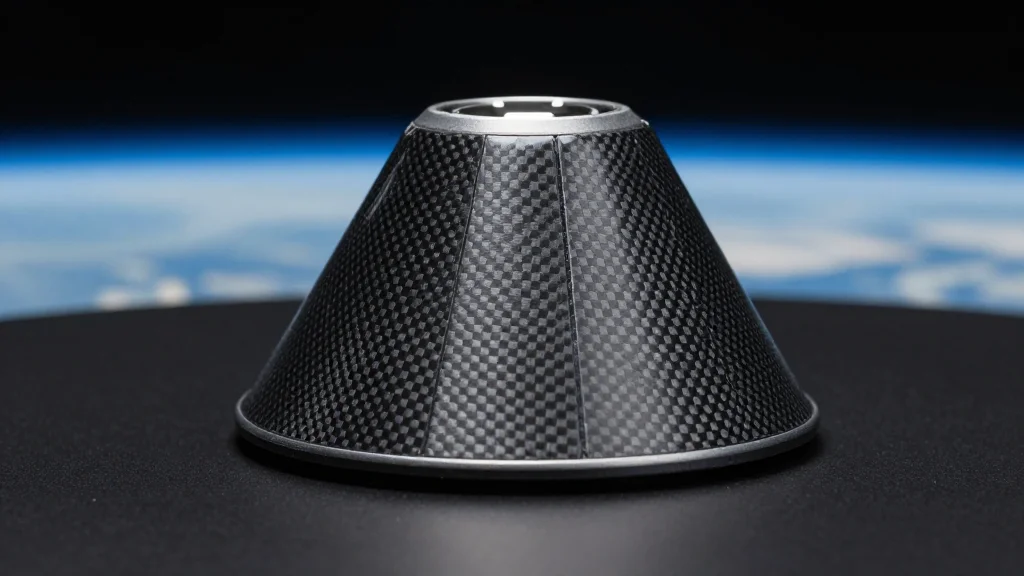
Artemis II marks the first operational test of the SLS‑Orion stack, a system that has been under intense scrutiny for cost overruns and schedule slips. By delivering a crewed lunar flyby without a single major anomaly, NASA has demonstrated that the hardware can survive the rigors of deep‑space flight, a prerequisite for the more demanding Artemis III landing mission. The data harvested from the far‑side observations will likely accelerate commercial lunar payload services, as companies such as Astrobotic and Intuitive Machines can now refine landing site models with real‑time imagery rather than relying solely on orbital data.
The heat‑shield debate, however, reveals a structural vulnerability in NASA’s risk management approach. Unlike the Apollo era, where multiple spare shields were manufactured and stored, the current program operates with a leaner inventory, banking on precise engineering rather than redundancy. Isaacman’s public admission of “no plan B” is a double‑edged sword: it underscores transparency but also invites criticism from oversight bodies that may demand additional budget for spare components. If Orion’s re‑entry proceeds flawlessly, it will vindicate the lean‑manufacturing philosophy and could set a new industry standard for cost‑effective deep‑space hardware. Conversely, any hiccup could reignite calls for a return to Apollo‑style redundancy, potentially inflating program costs and delaying Artemis III.
Politically, the mission has become a flashpoint. While the crew’s achievements are celebrated across the spectrum, partisan narratives—exemplified by Senator Rick Scott’s critique of “woke politics” and President Trump’s celebratory remarks—frame Artemis as a proxy for broader cultural battles. This polarization may affect future appropriations, especially as the administration weighs DEI initiatives against perceived mission‑critical spending. Nonetheless, the public’s awe at the lunar flyby, amplified by live broadcasts and social media, suggests a strong appetite for continued exploration. NASA’s ability to translate this enthusiasm into tangible scientific and commercial outcomes will determine whether Artemis remains a unifying national endeavor or a contested political arena.
Artemis II crew completes lunar flyby, eyes Pacific splashdown
Comments
Want to join the conversation?
Loading comments...