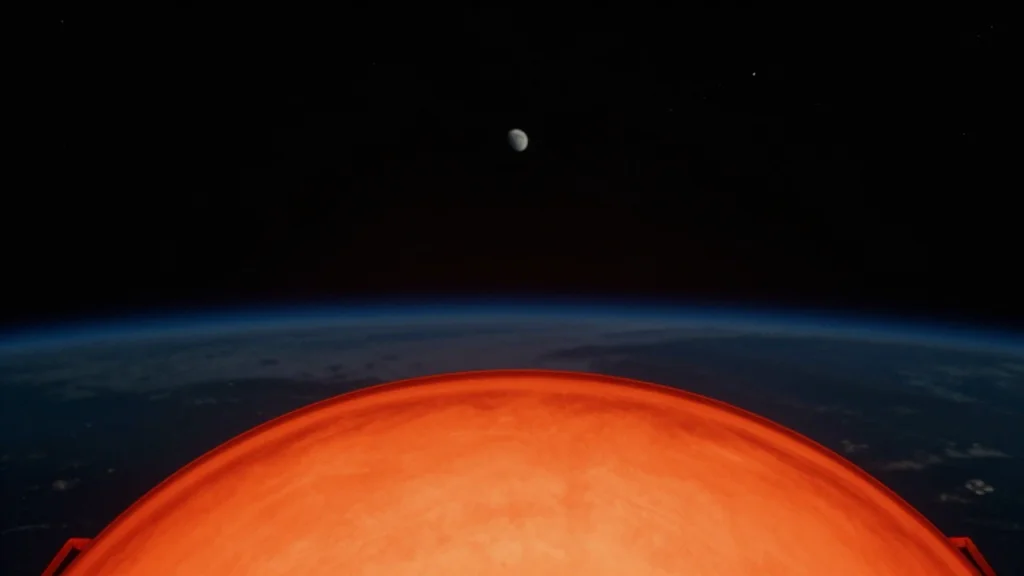
Artemis II Crew Praises Orion Heat Shield, Calls Lunar Flyby ‘Life‑Changing’

Why It Matters
The Artemis II mission marks the first crewed deep‑space flight since Apollo, proving that modern spacecraft can survive the extreme thermal loads of lunar re‑entry. This validation lowers the barrier for commercial lunar lander developers, who rely on NASA’s crew transport to access the Moon’s surface. Moreover, the crew’s emotional testimony underscores the human factor in long‑duration missions, a consideration that will shape crew‑selection and training for Artemis III and future Mars expeditions. Public enthusiasm sparked by the astronauts’ reflections is already translating into increased enrollment in STEM programs and heightened interest in space‑related careers, as seen in outreach events across the UK and the United States. The mission therefore not only advances technical readiness but also fuels the pipeline of talent essential for the burgeoning SpaceTech ecosystem.
Key Takeaways
- •Artemis II set a new human‑distance record of 252,760 miles, surpassing Apollo 13 by 4,100 miles.
- •Orion’s heat shield withstood re‑entry at 39 times the speed of sound, confirming design integrity.
- •Crew described mission as "life‑changing" and returned "as best friends," highlighting crew cohesion.
- •NASA aims for a crewed lunar landing by 2028, with Artemis III slated for late 2027.
- •Astronaut reflections are boosting STEM outreach, influencing future talent pipelines.
Pulse Analysis
Artemis II’s successful demonstration of Orion’s heat‑shield performance is a watershed for the U.S. deep‑space architecture. In the past, heat‑shield failures have been a primary source of mission risk—most notably during the Apollo 1 fire and the Space Shuttle Columbia disaster. By delivering a flawless re‑entry, NASA not only validates a critical subsystem but also sends a strong market signal to commercial partners that the government’s crew‑transport capability is reliable. This reduces perceived risk for private lunar‑landed payload providers, potentially accelerating the timeline for contracts under the Artemis Accords.
Equally important is the crew’s emphasis on the psychological dimension of deep‑space travel. The transition from professional colleagues to "best friends" mirrors findings from analog missions that stress the importance of interpersonal dynamics for mission success. Future Artemis crews, and eventually Mars crews, will benefit from structured team‑building protocols that incorporate these insights, potentially shaping NASA’s astronaut selection criteria and training curricula.
Finally, the public narrative crafted by the astronauts—highlighting awe, risk, and camaraderie—reinforces the cultural relevance of space exploration. In a competitive funding environment, such storytelling can sway policymakers and private investors alike, ensuring sustained financial support for the Artemis program. As commercial lunar infrastructure matures, the synergy between NASA’s proven hardware and the emerging private sector will define the next decade of SpaceTech growth.
Artemis II Crew Praises Orion Heat Shield, Calls Lunar Flyby ‘Life‑Changing’
Comments
Want to join the conversation?
Loading comments...