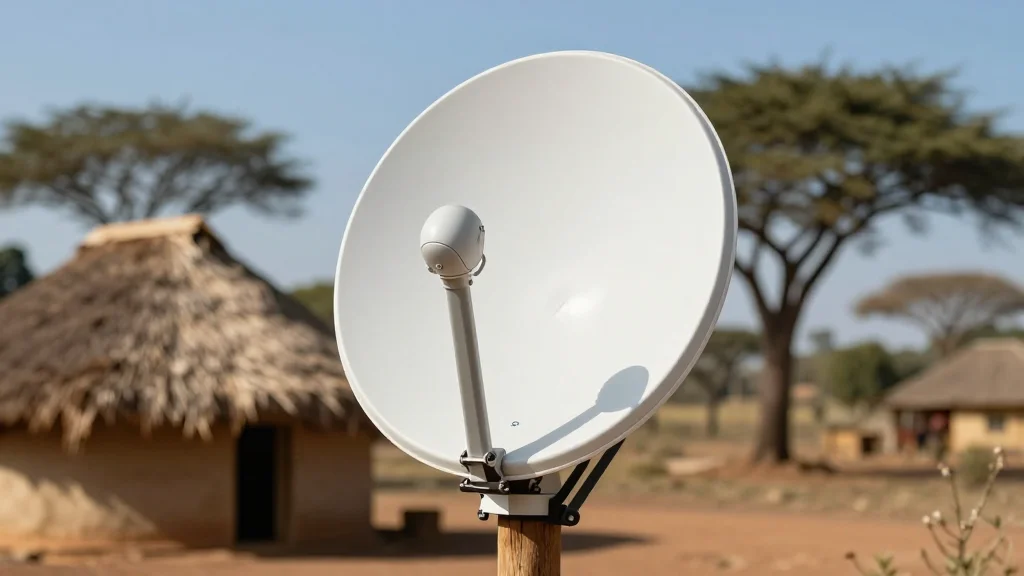
As Starlink Gets Uganda Greenlight, some African Telcos Are Uneasy
Companies Mentioned
Why It Matters
Starlink’s entry threatens traditional telecom revenue models and highlights gaps in African regulatory regimes, potentially reshaping the continent’s broadband landscape.
Key Takeaways
- •Uganda grants Starlink operating licence, joining Kenya and Rwanda
- •Telcos warn Starlink's low prices could erode revenues
- •Regulators urged to update rules for LEO satellite providers
- •Data‑sovereignty and tax compliance become focal concerns across Africa
- •Tanzania negotiations stall over data protection, spectrum, local prerequisites
Pulse Analysis
Uganda’s recent approval of Starlink marks the latest milestone in Elon Musk’s push to blanket Africa with low‑earth‑orbit satellite internet. The licence, signed by President Yoweri Museveni and the Uganda Communications Commission, follows a series of greenlights in Kenya, Rwanda and other markets, signaling growing political appetite for high‑speed connectivity in regions where terrestrial infrastructure lags. Yet the rapid rollout has sparked a chorus of unease among incumbent operators who fear a disruptive pricing model could destabilize established revenue streams.
Incumbent telcos across the continent argue that Starlink’s direct‑to‑consumer approach sidesteps many regulatory obligations that traditional providers must meet, such as local taxation and participation in universal service funds. In Kenya, the service’s $9 price tag for a 50 GB plan has already triggered price wars, forcing giants like Safaricom to slash tariffs and upgrade speeds. Beyond economics, operators raise alarms about data‑sovereignty, noting that satellite links operate outside national jurisdiction, complicating oversight of user data and potentially exposing governments to security risks.
The emerging tension underscores a broader policy challenge: African regulators must adapt legacy telecom frameworks to accommodate LEO constellations. Experts recommend classifying satellite providers as offshore operators, mandating tax contributions, and integrating them into universal service obligations. Such reforms could preserve market fairness while leveraging Starlink’s capacity to bridge connectivity gaps. As Tanzania’s negotiations continue, the continent stands at a crossroads between embracing disruptive technology and safeguarding the economic and sovereign interests of its telecom sector.
As Starlink gets Uganda greenlight, some African telcos are uneasy
Comments
Want to join the conversation?
Loading comments...