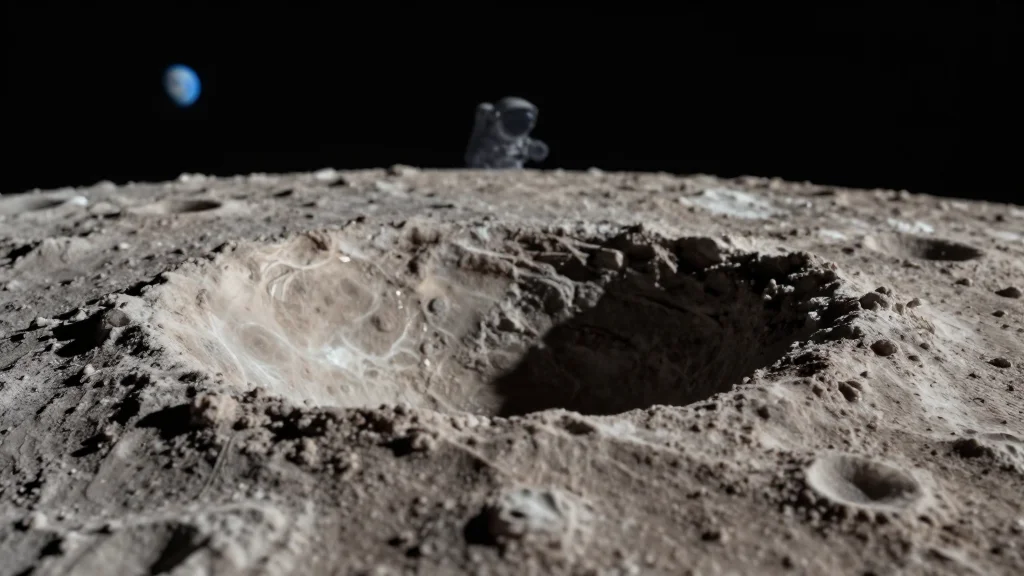
Astronauts Suggest Naming a Moon Crater 'Carroll' After Their Commander's Late Wife
Why It Matters
Personal naming proposals humanize the Artemis program and can deepen public connection to lunar missions, while the IAU approval process ensures scientific consistency.
Key Takeaways
- •Artemis II set record farthest human distance from Earth
- •Crew proposed “Integrity” and “Carroll” craters during lunar flyby
- •“Carroll” honors commander Reid Wiseman’s late wife
- •NASA will forward proposals to International Astronomical Union
- •Personal naming can boost public engagement with lunar missions
Pulse Analysis
Artemis II’s lunar flyby marked a milestone beyond its technical achievements. By traveling farther from Earth than any human before and capturing the far side of the Moon, the crew not only gathered valuable scientific data but also created a moment for personal expression. The decision to suggest names for two previously unnamed craters—"Integrity" for the spacecraft and "Carroll" for Wiseman’s wife—adds a human narrative to an otherwise stark scientific endeavor, resonating with a public eager for relatable stories from space.
Naming lunar features has a storied tradition dating back to Apollo. Astronauts have informally christened landmarks, from Jim Lovell’s Mount Marilyn to the shorthand tags used during Apollo landings. Formal recognition, however, rests with the International Astronomical Union, which applies strict criteria to ensure names are culturally and scientifically appropriate. By proposing "Carroll," the Artemis II crew navigates these conventions, highlighting how personal tributes can coexist with the IAU’s rigorous standards, and reminding us that the cosmos has long been a canvas for human remembrance.
The broader impact lies in how such gestures shape public perception of spaceflight. A crater named after a fallen spouse personalizes the mission, fostering empathy and media interest that can translate into stronger support for future lunar initiatives. As NASA prepares for Artemis III and a sustainable lunar presence, integrating personal stories with scientific milestones may prove vital for maintaining momentum, funding, and a sense of shared destiny among the global audience.
Astronauts suggest naming a moon crater 'Carroll' after their commander's late wife
Comments
Want to join the conversation?
Loading comments...