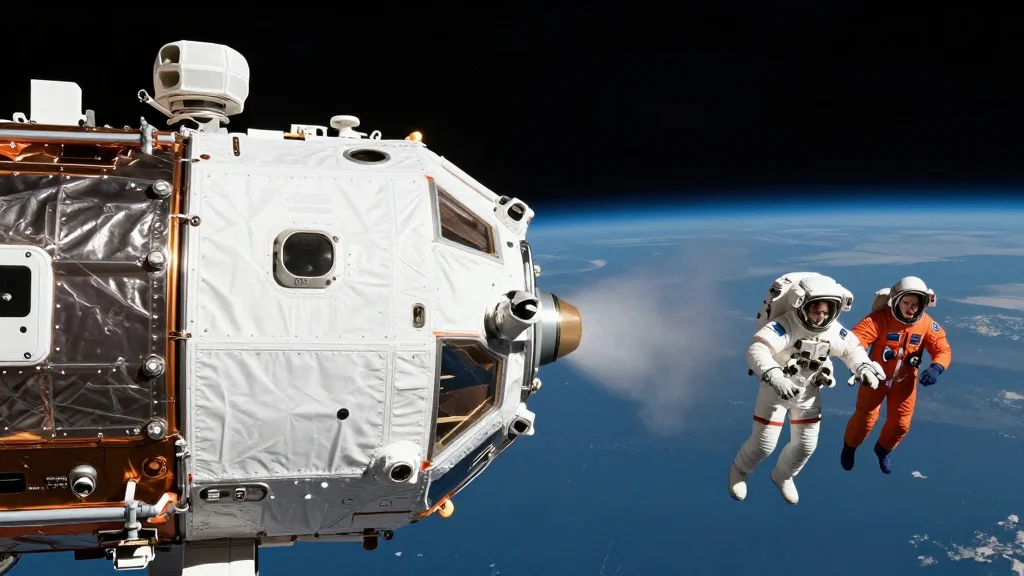
Astronauts Told to Return to ISS After Sheltering over Air Leak Repairs

Companies Mentioned
Why It Matters
The incident underscores the ISS’s most persistent structural vulnerability and tests the resilience of U.S.-Russian cooperation in maintaining a critical platform for scientific research and future deep‑space missions.
Key Takeaways
- •ISS air leak in Zvezda module losing ~1 kg of air daily
- •Crew took refuge in SpaceX Dragon as precautionary lifeboat
- •Two leaks identified; one sealed, second still under repair
- •NASA and Roscosmos coordinating to assess data before resuming work
Pulse Analysis
Since its first detection in September 2019, the microscopic crack in the Zvezda module’s PrK tunnel has been a lingering threat to the International Space Station’s pressurization integrity. Over the years, engineers have applied sealants and conducted inspections, yet the leak has periodically resurfaced, most recently reaching a loss rate of about one kilogram of air per day. This rate, while seemingly modest, translates to a steady depletion of the station’s atmosphere and forces mission planners to treat the issue as a top‑level safety risk.
The latest response involved moving five of the seven crew members into the docked Crew Dragon Freedom, effectively turning the spacecraft into a lifeboat. While the two Russian cosmonauts remain inside the Russian segment to perform the repair, NASA and Roscosmos have paused the work to collect additional pressure measurements. This precautionary posture allows the crew to undock and return to Earth within hours if the leak worsens, illustrating the rigorous contingency protocols that keep the ISS operational despite aging hardware.
Beyond the immediate fix, the episode highlights the broader challenges of sustaining a multinational orbital laboratory built in the 1990s. Continued air loss threatens long‑term mission planning, especially as commercial and governmental partners eye lunar gateways and Mars transit habitats. A permanent solution will likely require new materials or redesigns, reinforcing the need for sustained investment and deeper collaboration between NASA, Roscosmos, and emerging commercial operators to ensure the ISS remains a viable platform for scientific discovery and a stepping stone for future exploration.
Astronauts told to return to ISS after sheltering over air leak repairs
Comments
Want to join the conversation?
Loading comments...