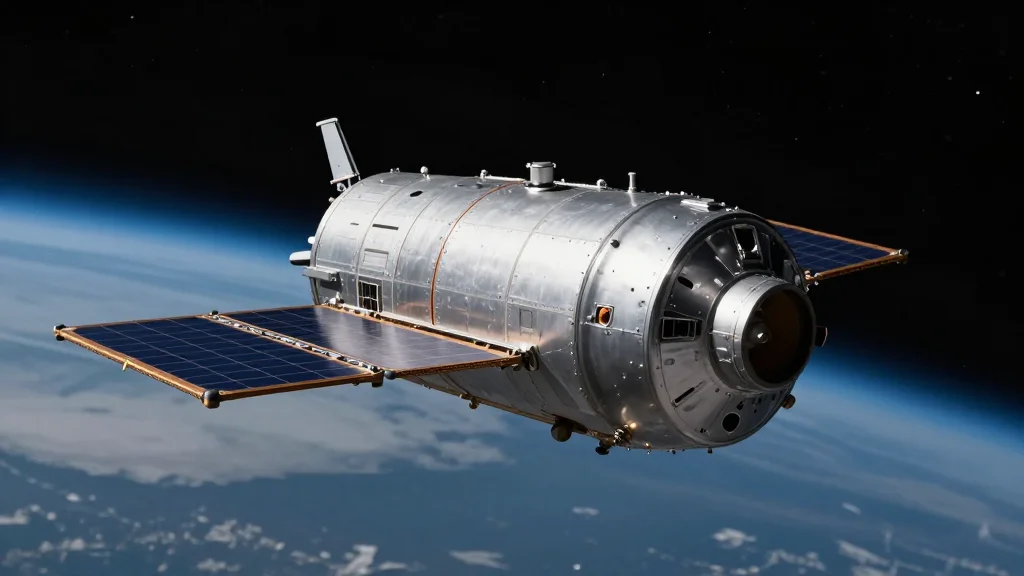
Astroscale to Fly Mission to Rendezvous and Inspect Two Different Satellites
Why It Matters
The mission proves that precise, on‑orbit inspection of aging assets is technically feasible, opening pathways for satellite operators to assess end‑of‑life conditions and for the industry to monetize debris‑mitigation services. It signals a shift toward proactive space‑environment management, reducing long‑term collision risk.
Key Takeaways
- •ISSA-J1 will inspect ALOS and ADEOS-II satellites in 2027
- •Mission demonstrates close‑range on‑orbit inspection beyond traditional monitoring
- •Astroscale builds on ADRAS-J success, moving toward active debris removal
- •Inspection will assess attitude, rotation, and degradation after 20+ years
- •Data could inform future satellite design and end‑of‑life strategies
Pulse Analysis
Space debris has become a strategic concern for governments and commercial operators alike, prompting a surge in technologies that can monitor, service, or remove defunct objects. While ground‑based radar and optical sensors track orbital trajectories, they cannot reveal the physical condition of aging spacecraft. On‑orbit inspection bridges that gap, delivering granular data on structural integrity, attitude control, and surface degradation—information critical for risk assessment and insurance underwriting. Astroscale’s focus on inspection positions the firm at the forefront of this emerging niche, complementing its longer‑term goal of active debris removal.
The ISSA-J1 mission targets two iconic Japanese satellites: ALOS, launched in 2006, and ADEOS‑II, launched in 2003. After a series of maneuvers, the inspector will approach each target within a few meters, capturing high‑resolution imagery and sensor readings that surpass the fidelity of conventional space‑situational‑awareness systems. By operating in two distinct orbits, the mission also demonstrates flexible navigation and propulsion capabilities, essential for future multi‑target servicing. The data collected will quantify how prolonged exposure to the harsh space environment—thermal cycling, micrometeoroid impacts, and radiation—affects satellite subsystems after two decades.
Beyond the technical showcase, ISSA-J1 could reshape market dynamics. Satellite owners may contract inspection services to verify end‑of‑life health before de‑orbiting or repurposing, creating a new revenue stream for firms like Astroscale. Moreover, the mission’s success could accelerate regulatory frameworks that require demonstrable mitigation actions, fostering a more sustainable orbital economy. As the low‑Earth‑orbit population swells, the ability to assess and eventually remove debris will become a competitive differentiator, and Astroscale’s incremental approach—inspection first, removal later—offers a pragmatic pathway to that future.
Astroscale to fly mission to rendezvous and inspect two different satellites
Comments
Want to join the conversation?
Loading comments...