Austria Commissions Its First Military Sat
•March 2, 2026
0
Companies Mentioned
Why It Matters
The satellite enhances Austria’s defensive space capability, protecting critical navigation services for civilian and military users. It also signals a shift toward indigenous European satellite development amid rising geopolitical tensions in space.
Key Takeaways
- •Austria launches first military satellite, BEACONSAT, 2027.
- •Mission targets GNSS jamming and spoofing detection.
- •GATE Space serves as prime, providing propulsion system.
- •Funding includes €1M MoD and €0.5M ESA contributions.
- •LEO2VLEO program adds three satellites for SSA, communications.
Pulse Analysis
Satellite navigation underpins modern economies, from logistics to finance, yet its reliance makes it vulnerable to deliberate interference. Recent incidents, including a GNSS disruption affecting a European Commission flight, have highlighted the ease with which jamming and spoofing can degrade critical services. Austria’s decision to field BEACONSAT reflects a strategic response to this invisible threat, aiming to detect and locate signal anomalies in real time. By positioning the satellite in low Earth orbit, the system can provide timely alerts to both civilian users and military operators, preserving the integrity of positioning data.
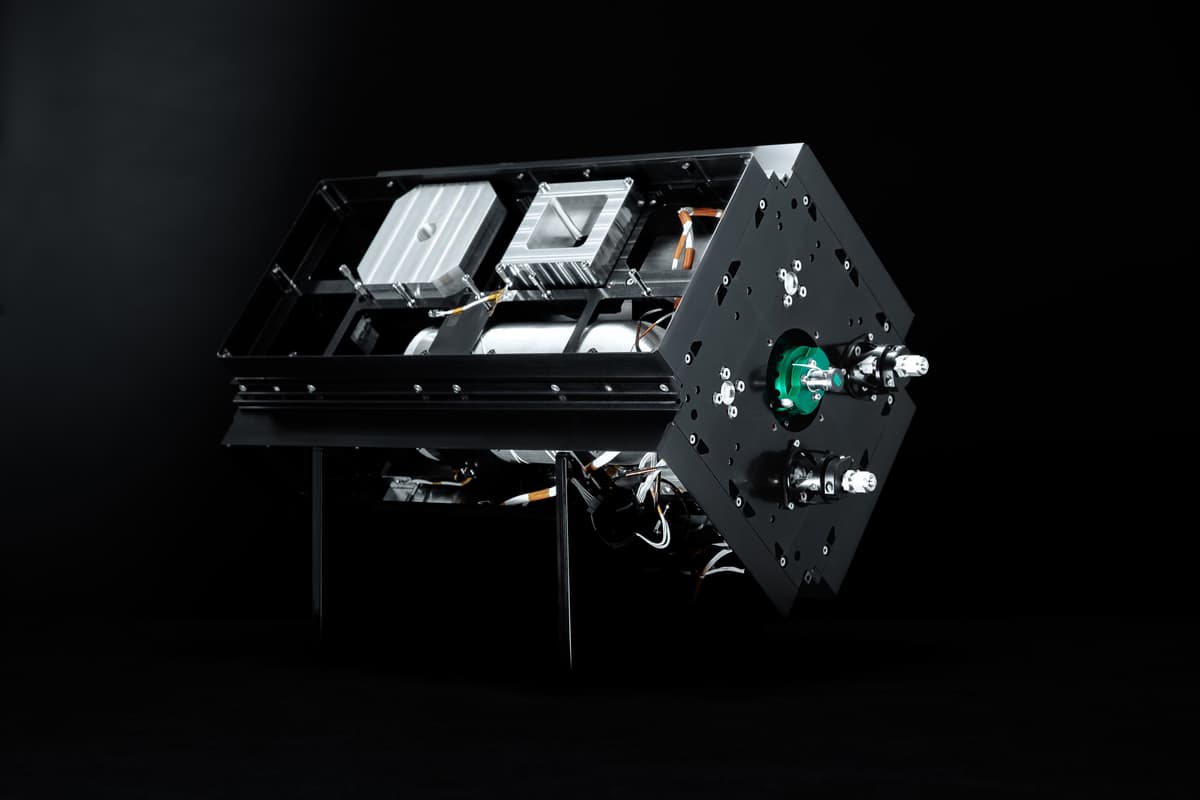
GATE Space, a spin‑off from the Technical University of Vienna, seized the opportunity to become the prime contractor for BEACONSAT, delivering propulsion, thermal control and structural elements. Its green chemical propulsion, based on nitrous oxide and ethane, offers a low‑toxicity alternative to traditional hydrazine systems, aligning with Europe’s sustainability goals. Partnering with Danish firm Space Inventor for avionics and Austrian startup IGASPIN for the GNSS payload creates a fully European supply chain, reducing reliance on non‑EU components. This collaboration showcases how niche startups can drive national security projects when larger contractors are absent.
The BEACONSAT mission is part of a broader Austrian‑Dutch LEO2VLEO program that will add three low‑altitude satellites for communications and space‑situational awareness in spring 2027. Combined, these assets expand Europe’s autonomous monitoring capability, reducing dependence on external intelligence sources. Funding of €6 million from Austria underscores a growing willingness to invest in indigenous space infrastructure despite the country’s constitutional neutrality. As GNSS threats intensify, such initiatives are likely to inspire similar defense‑oriented satellite projects across the EU, reshaping the regional space market.
Austria Commissions its First Military Sat
0
Comments
Want to join the conversation?
Loading comments...