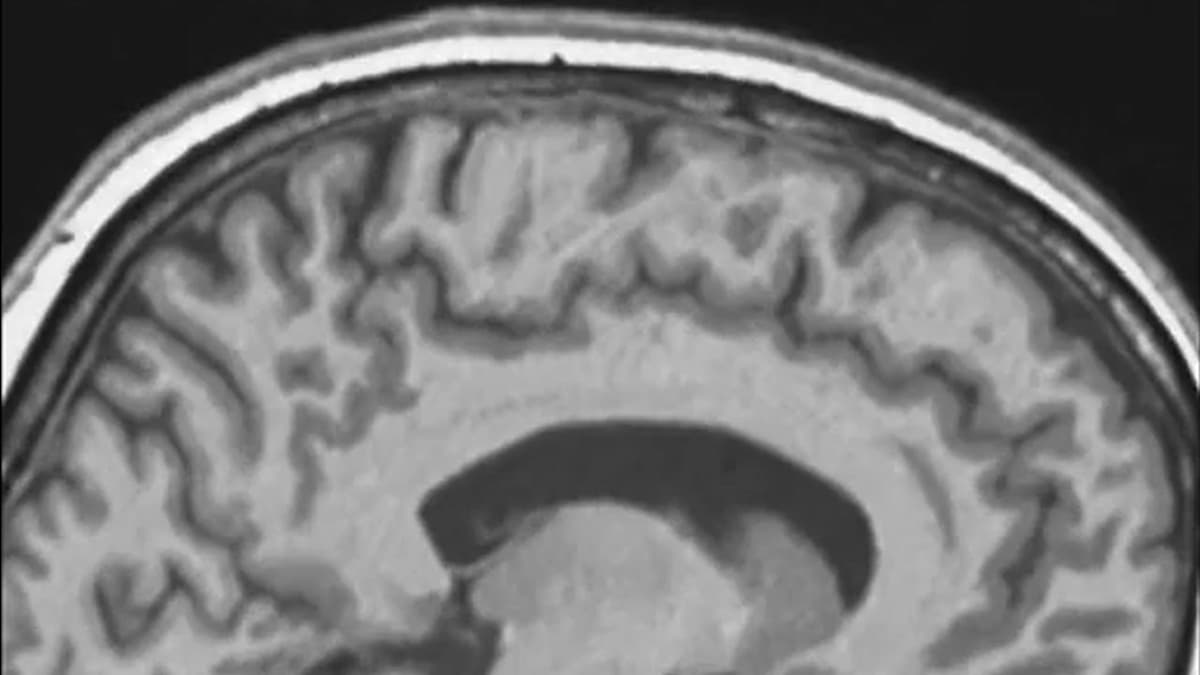
'Backward and Upward and Tilted': Spaceflight Causes Astronauts' Brains to Shift Inside Their Skulls
•January 13, 2026
0
Why It Matters
Microgravity induces lasting neuroanatomical changes that can impair astronaut performance and safety, making mitigation strategies essential for long‑duration missions.
Key Takeaways
- •Brain shifts backward, upward, and rotates after microgravity.
- •Displacements up to 2.5 mm observed in long missions.
- •Changes persist up to six months post‑flight.
- •Upward shift stronger in astronauts than bed‑rest analogs.
- •Balance decline linked to sensory region displacement.
Pulse Analysis
Space agencies have long documented cardiovascular, musculoskeletal, and ocular changes caused by microgravity, but the brain’s physical response has remained elusive. In a new study published on Jan. 12, researchers from MIT analyzed high‑resolution MRI scans from 26 astronauts before and after missions ranging from two weeks to a year, alongside data from 24 Earth‑bound participants and a head‑down‑tilt bed‑rest cohort. By segmenting the brain into 130 regions, the team identified a consistent pattern: the entire organ shifts backward and upward and tilts in pitch, with some regions moving as much as 2.5 mm.
The anatomical displacement is not merely academic; it translates into functional deficits. Astronauts who exhibited larger shifts in vestibular‑related cortex also reported the greatest balance disturbances during the first days after landing, a symptom that can jeopardize mission‑critical tasks and increase injury risk. While the bed‑rest analog reproduced the backward component, it lacked the pronounced upward movement seen in space, underscoring the limits of ground‑based simulations for neuro‑vestibular research. Moreover, the study found that these brain shifts can linger for half a year, extending the recovery timeline beyond the typical one‑week re‑acclimation period.
These findings carry weight for the next generation of deep‑space exploration. As NASA, ESA, and private firms plan multi‑year voyages to the Moon and Mars, sustained neuroanatomical changes could compound with other stressors, affecting cognition, sensorimotor performance, and mental health. The authors call for larger longitudinal studies that track brain morphology across diverse mission lengths and incorporate targeted countermeasures such as artificial gravity, resistance exercise, or neuromodulation. By integrating neuroimaging into astronaut health protocols, agencies can better anticipate and mitigate the hidden costs of living in microgravity.
'Backward and upward and tilted': Spaceflight causes astronauts' brains to shift inside their skulls
0
Comments
Want to join the conversation?
Loading comments...