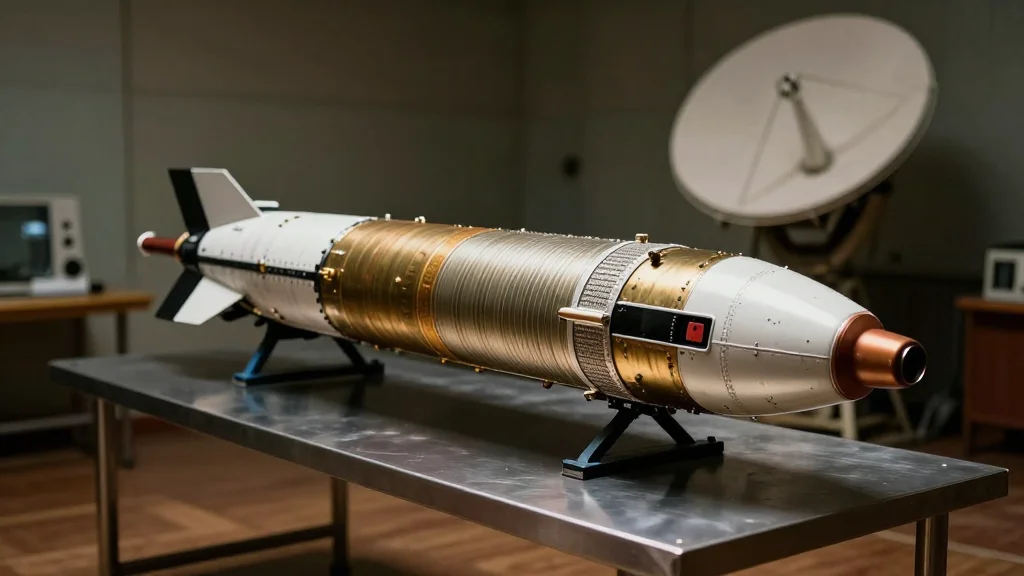
Big Little Rocket: The N1 Moon Rocket and the Cognitive Dissonance of Spy Satellite Photography
Why It Matters
The newly released images fill critical gaps in the historical record of the Soviet Moon race, allowing scholars to reassess technical capabilities and intelligence assessments of the era. They also illustrate how declassified visual intelligence continues to reshape our understanding of Cold‑War space competition.
Key Takeaways
- •New high‑res scans of 1969 N1 mockup released on Twitter
- •Cold War spy satellites first revealed N1 construction at Baikonur
- •CIA labeled the site Complex J and the rocket the J vehicle
- •Only a fraction of classified N1 photos have been declassified
- •N1 failures underscore Soviet lunar program’s secrecy and technical challenges
Pulse Analysis
The Soviet Union’s N1 rocket, intended to rival NASA’s Saturn V, remained a mystery throughout the 1960s because the United States could only observe it from orbit. U.S. CORONA and later KH‑9 satellites captured a series of images that showed massive excavation, dormitory construction, and eventually a towering launch vehicle on Baikonur’s pad. Analysts labeled the site Complex J and inferred a Moon‑bound launch system, yet they never saw the hardware up close, relying on pattern‑recognition techniques that were remarkably accurate for the time.
In early 2024, space historian Asif Siddiqi and Twitter user Yuri Shakhov unveiled high‑resolution scans of a 1969 engineering mock‑up album from the TsKBEM design bureau. The photos display the N1’s first stage, second stage, and fairing within the assembly building, offering unprecedented detail on welds, panel layouts, and component integration. Compared with the grainy satellite shots, these ground‑level images confirm many of the CIA’s deductions while correcting a few misconceptions, such as the exact propellant tank geometry. The release also highlights that roughly a hundred more color images remain classified, suggesting further revelations may still emerge.
The convergence of declassified satellite imagery and newly released ground photographs reshapes the narrative of the Soviet lunar effort. It demonstrates the enduring value of visual intelligence for historical research and underscores how secrecy can obscure engineering achievements—and failures—for generations. For modern aerospace programs, the N1 case serves as a cautionary tale about the limits of closed‑door development and the eventual inevitability of public scrutiny, whether through leaked documents or open‑source satellite monitoring.
Big little rocket: The N1 Moon rocket and the cognitive dissonance of spy satellite photography
Comments
Want to join the conversation?
Loading comments...