Companies Mentioned

Why It Matters
The quiz educates a broad audience on pivotal aerospace breakthroughs, reinforcing STEM interest and public appreciation for space technology. By linking past achievements to current private‑sector advances, it underscores the continuous impact of rocketry on industry and society.
Key Takeaways
- •Ancient civilizations experimented with gunpowder rockets
- •Tsiolkovsky's 1903 report introduced liquid propellant theory
- •Goddard achieved first successful liquid‑propellant flight, 1926
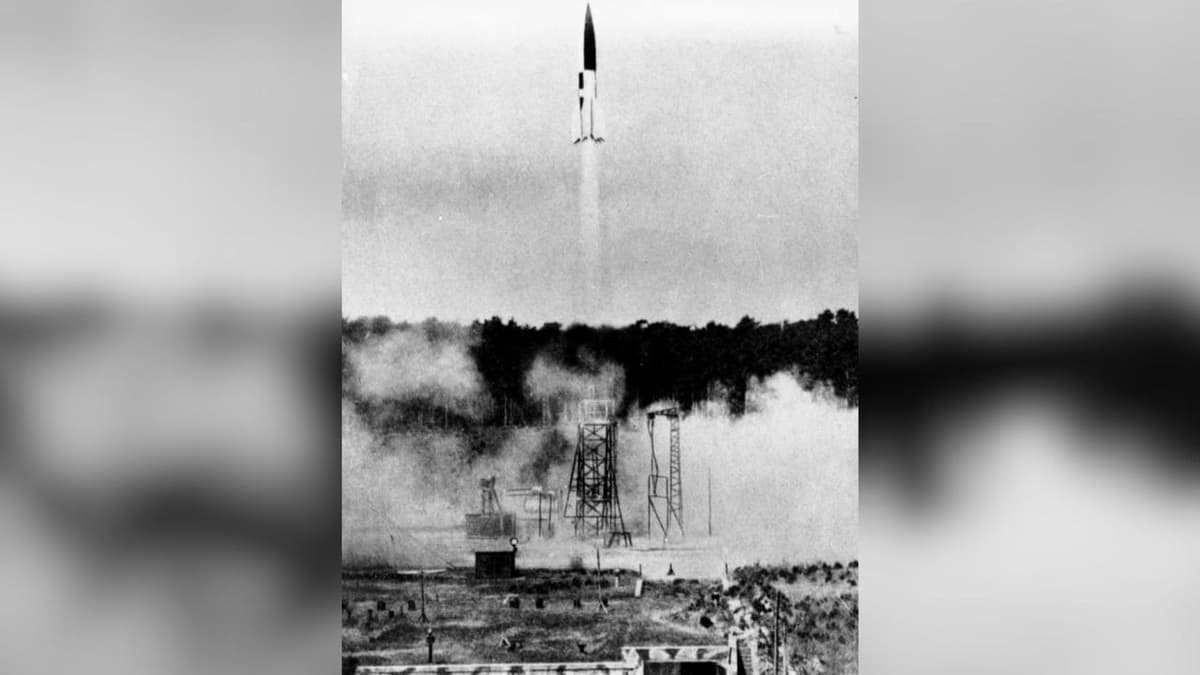
- •V‑2 became first guided ballistic missile reaching space
- •SpaceX popularized reusable first‑stage rocket technology
Pulse Analysis
Rocketry’s roots stretch back to antiquity, when early societies used simple gunpowder devices for ceremonial and military purposes. Those primitive experiments laid the conceptual groundwork for visionaries like Konstantin Tsiolkovsky, whose 1903 treatise proposed liquid propellants, and Robert H. Goddard, who validated the idea with a successful launch in 1926. The Cold War accelerated development, producing the V‑2 missile—the first guided ballistic weapon to breach the edge of space—and culminating in the Saturn V, which powered humanity’s first lunar landing.
Interactive quizzes such as Space.com’s serve a dual purpose: they reinforce factual knowledge while engaging readers in active learning. By framing historical milestones as question‑and‑answer challenges, the format appeals to both casual enthusiasts and serious students, fostering deeper retention of key concepts like thrust generation and orbital velocity. This approach aligns with modern STEM outreach strategies that prioritize experiential content, making complex aerospace topics accessible without sacrificing technical accuracy.
Today’s rocket industry is defined by rapid private‑sector innovation, most notably SpaceX’s reusable first‑stage technology that has slashed launch costs and reshaped mission planning. The quiz’s final questions highlight this shift, linking past breakthroughs to contemporary practices and hinting at future trends such as fully reusable launch systems and in‑orbit manufacturing. Understanding this continuum helps investors, policymakers, and engineers anticipate market dynamics and the next wave of aerospace breakthroughs.
Blast from the past: A rocket history quiz
0
Comments
Want to join the conversation?
Loading comments...