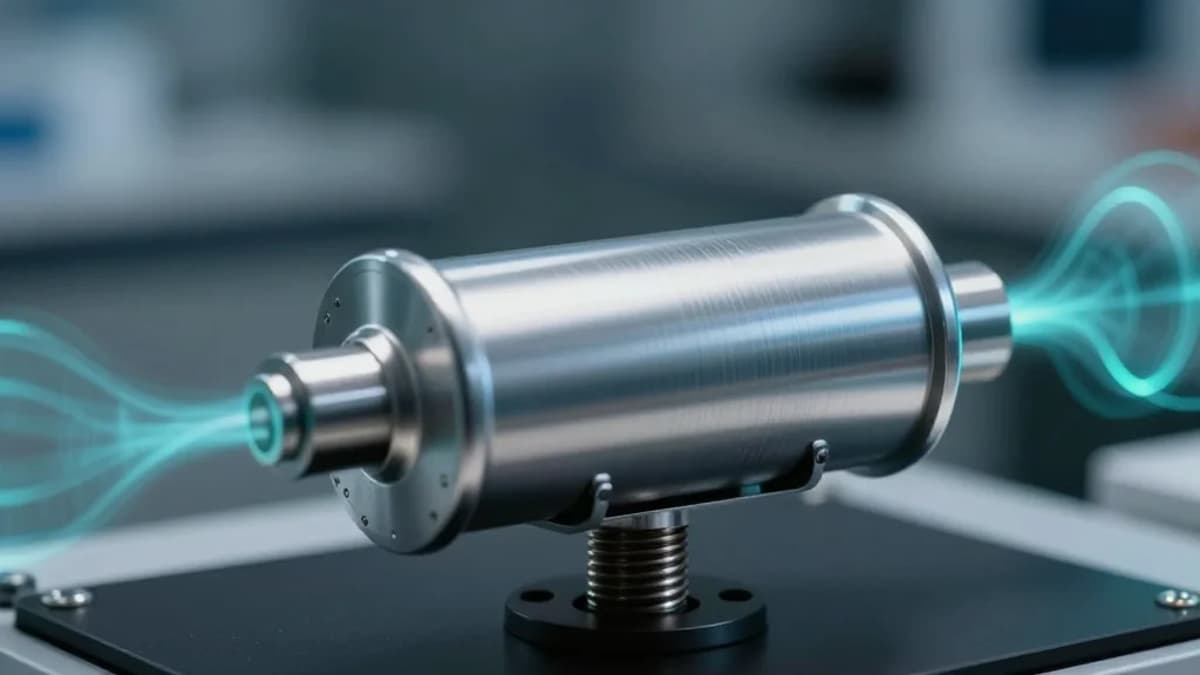
Blue Origin and Nimbus Validate Fuel Cells for Lunar Life Support
•January 14, 2026
0
Companies Mentioned

Why It Matters
The test validates a lightweight, reliable power‑and‑water solution essential for sustainable lunar habitats, lowering mission cost and risk. It also creates a dual‑use technology bridge between space and Earth applications, strengthening supply‑chain resilience.
Key Takeaways
- •Nimbus fuel cells passed launch vibration and shock tests
- •Gravity‑independent water management works in microgravity
- •Design cuts mass and volume versus terrestrial fuel cells
- •Blue Origin will integrate cells into Blue Moon lander
- •Technology supports both space and terrestrial power markets
Pulse Analysis
Fuel‑cell technology has long been a cornerstone of long‑duration spaceflight, but traditional designs rely on gravity‑driven water separation, adding weight and mechanical complexity. Nimbus Power Systems’ breakthrough lies in a capillary‑hydraulic water‑management approach that functions equally well in microgravity and partial‑gravity environments. By eliminating gravity‑dependent components, the system trims both mass and volume—critical parameters for Artemis‑era landers where every kilogram drives launch cost. The recent shock and vibration campaign, mimicking launch stresses for crewed lunar missions, demonstrated that the stack maintains structural integrity, electrical output, and water‑handling performance under extreme dynamic loads.
The successful test campaign carries strategic weight for Blue Origin’s Blue Moon lander, which aims to provide continuous power, thermal regulation, and potable water for surface crews. Integrating Nimbus’s PEM fuel cells enables a self‑sustaining life‑support loop, reducing reliance on consumable batteries and external water supplies. This capability aligns with NASA’s vision of a permanent lunar presence, where in‑situ resource utilization and reliable power are non‑negotiable. Moreover, the licensing agreement gives Blue Origin direct access to a proven, space‑qualified power source, accelerating development timelines and mitigating technology risk.
Beyond the lunar horizon, Nimbus’s dual‑use architecture positions the company to capture market share in heavy‑duty mobility and stationary‑power sectors on Earth. Leveraging common hardware across space and terrestrial applications streamlines manufacturing, enhances supply‑chain resilience, and drives down costs through economies of scale. As commercial space ventures expand, such cross‑industry technologies will become pivotal in lowering barriers to entry and fostering a robust ecosystem of reusable, high‑efficiency power solutions.
Blue Origin and Nimbus validate fuel cells for lunar life support
0
Comments
Want to join the conversation?
Loading comments...