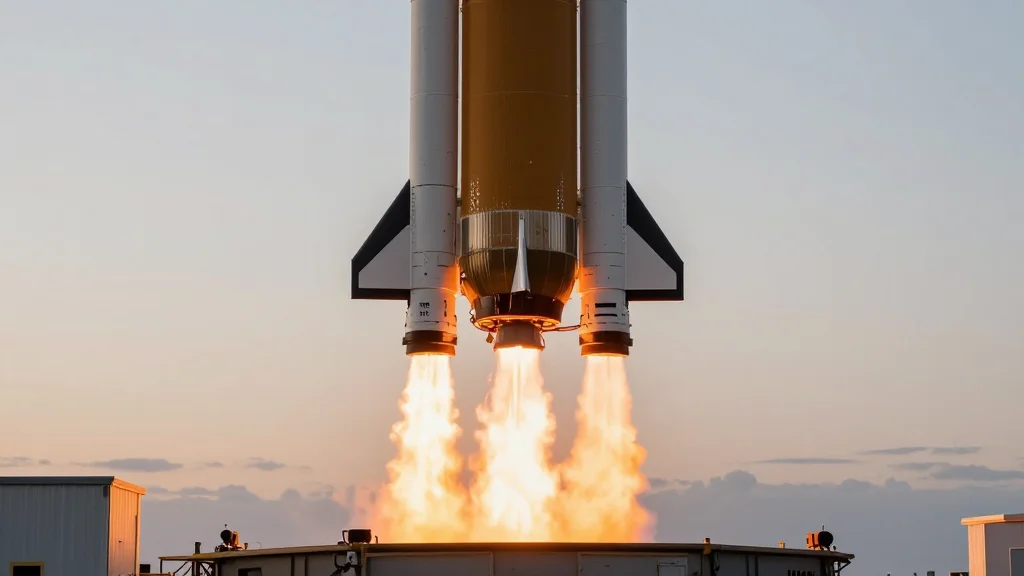
Blue Origin Fires New Glenn, Eyes California Launch Site for Debut

Companies Mentioned


Why It Matters
The static fire and upcoming NG‑3 launch mark the first time Blue Origin will fly a refurbished New Glenn booster, a test of the company’s reusability claims that could lower launch costs and increase flight cadence. Simultaneously, securing a launch pad at Vandenberg would give the company a strategic foothold on the West Coast, expanding its market reach and providing a domestic alternative to SpaceX’s heavy‑lift services. Together, these developments could reshape the competitive dynamics of the U.S. launch industry, influencing pricing, schedule reliability, and the allocation of government contracts for lunar and deep‑space missions. For investors and policymakers, the dual progress signals that Blue Origin is moving from prototype to operational status faster than many had expected. The ability to launch from both coasts also reduces dependency on a single launch corridor, enhancing national security launch capabilities and supporting a broader range of satellite constellations that require polar orbits.
Key Takeaways
- •Blue Origin performed a 19‑second static fire of New Glenn on April 16, 2026, testing all seven first‑stage engines.
- •NG‑3 mission scheduled for April 19 will reuse the booster from the November 2025 ESCAPADE launch.
- •All seven engines on the refurbished booster have been replaced and upgraded.
- •U.S. Space Force is in final negotiations with Blue Origin to lease Vandenberg’s Space Launch Complex‑14.
- •A successful lease would give New Glenn a West‑Coast launch capability, potentially opening new commercial and government payload markets.
Pulse Analysis
Blue Origin’s rapid progression from static fire to a reusable booster flight underscores a strategic shift toward cost‑effective heavy‑lift operations. The company’s decision to replace all seven engines on the refurbished first stage reflects a confidence in its manufacturing pipeline and a willingness to invest in incremental upgrades that could improve thrust, reliability, and turnaround time. This approach mirrors SpaceX’s iterative development model, suggesting that Blue Origin is now competing on the same operational efficiency metrics that have driven down launch prices across the industry.
The Vandenberg negotiations add a geopolitical layer to the competition. By establishing a launch site on the West Coast, Blue Origin not only diversifies its launch portfolio but also aligns with the Department of Defense’s emphasis on distributed launch capabilities. The ability to launch polar and sun‑synchronous missions from Vandenberg could attract a new segment of defense and commercial customers who currently rely on SpaceX or foreign launch providers for such orbits. Moreover, the partnership with the Space Force may position Blue Origin favorably for future NASA contracts tied to the Artemis program, where heavy‑lift capacity and launch site flexibility are critical.
Looking ahead, the NG‑3 flight will be a litmus test for New Glenn’s reusability promise. A clean launch and recovery would validate the engine replacement strategy and could accelerate the timeline for a commercial rollout, potentially compressing the five‑year infrastructure build‑out at Vandenberg. Conversely, any setbacks could delay the West‑Coast debut and give competitors a window to solidify their own launch site advantages. Investors should watch the NG‑3 outcome closely, as it will likely influence Blue Origin’s valuation and its ability to secure further government and commercial contracts.
Blue Origin fires New Glenn, eyes California launch site for debut
Comments
Want to join the conversation?
Loading comments...