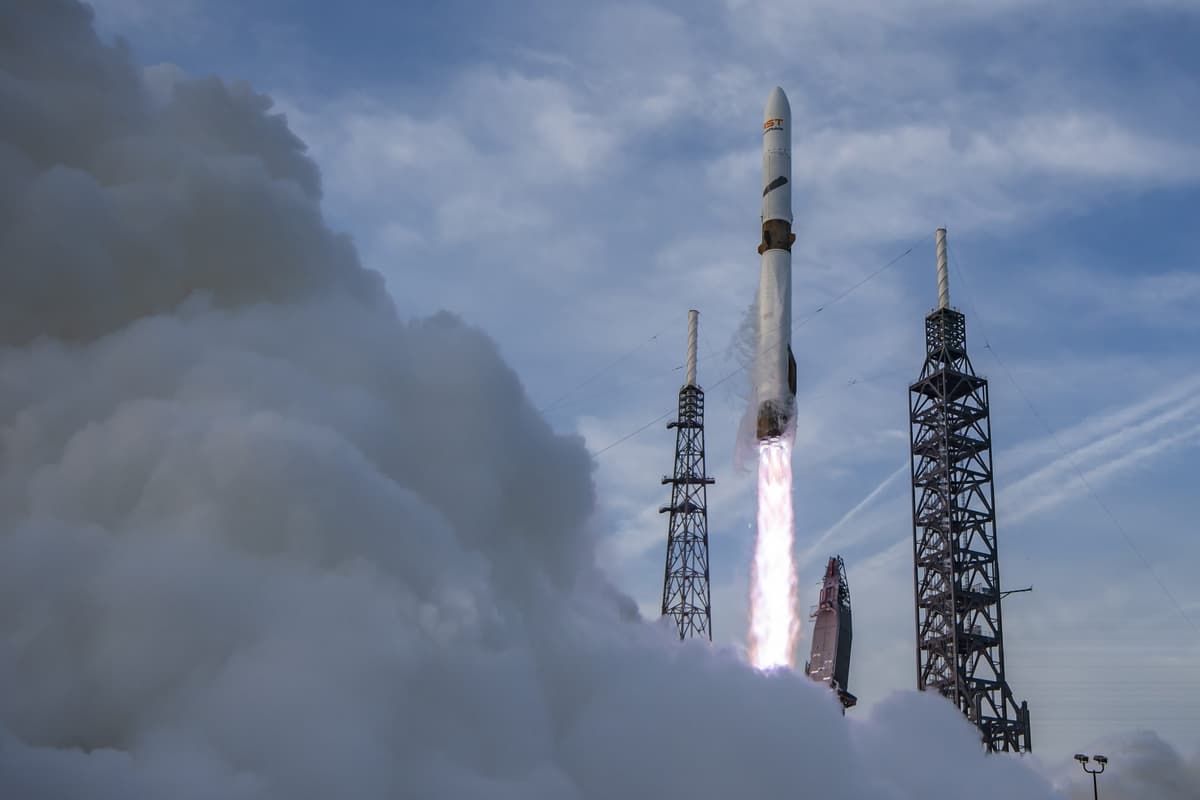
Blue Origin Seeks to Resume New Glenn Launches by Year’s End
Companies Mentioned

Why It Matters
Getting New Glenn back on line is essential for Blue Origin’s lunar lander contracts and NASA’s Artemis 3 timeline, while preserving its competitive position against SpaceX.
Key Takeaways
- •Launch Complex 36 tanks remain functional despite May 28 explosion.
- •Transporter‑erector destroyed; company will use vertical launch concept.
- •Repairs targeted for completion within seven months, aiming year‑end flight.
- •Faster turnaround than SpaceX’s 15‑month pad rebuild after 2016 incident.
- •Delays could impact Blue Moon lunar missions and Artemis 3 crew launch.
Pulse Analysis
Blue Origin’s New Glenn suffered a high‑energy static‑fire failure on May 28, blowing up the vehicle on Launch Complex 36 at Cape Canaveral. In a June 1 briefing, CEO Dave Limp reported that the most critical assets – the liquid‑oxygen, liquid‑hydrogen and liquid‑methane storage tanks – survived intact, and that the booster’s horizontal integration facility also appears undamaged. While the pad’s main tower and the lightning tower were compromised, the company plans to repair the structure in place and replace the destroyed transporter‑erector with a new vertical concept of operations, a move that could shave months off the recovery schedule.
The projected seven‑month repair window would see New Glenn back in flight before the end of 2026, markedly quicker than the 15‑month rebuild SpaceX required for its Falcon 9 pad after the 2016 explosion, and faster than the year‑long effort at Wallops Island in 2014. This accelerated timeline is crucial for NASA’s lunar roadmap: Blue Origin’s Blue Moon Mark 1 lander, selected for two rover‑delivery missions, and the crewed Mark 2 variant slated for Artemis 3 rely on a functional New Glenn launch system. Any further delay could push those missions into later windows, eroding Blue Origin’s role in the Artemis program.
Beyond government contracts, returning New Glenn on schedule reinforces Blue Origin’s commercial credibility against rivals such as SpaceX, which has dominated heavy‑lift launches with Falcon Heavy and is developing Starship for lunar and deep‑space missions. Demonstrating rapid pad recovery also signals robust risk‑management capabilities to investors and partners, potentially unlocking additional funding for the company’s broader launch‑vehicle pipeline. As the space‑flight market tightens, Blue Origin’s ability to restore operations swiftly will be a key differentiator in securing future payloads and maintaining a foothold in the emerging lunar economy.
Blue Origin seeks to resume New Glenn launches by year’s end
Comments
Want to join the conversation?
Loading comments...