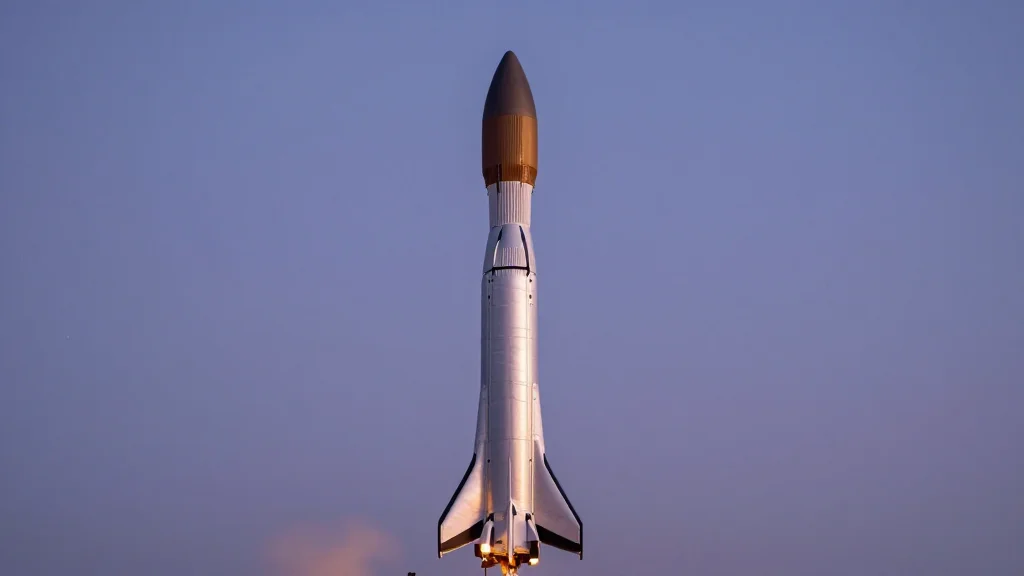
Blue Origin’s New Glenn Explodes in Cape Canaveral Static‑fire Test, No Injuries Reported

Companies Mentioned


Why It Matters
The New Glenn explosion hits the only U.S. company besides SpaceX that is actively developing a heavy‑lift launch system capable of carrying large payloads to lunar orbit. A delay could ripple through NASA’s Artemis timetable, potentially forcing the agency to rely more heavily on SpaceX’s Starship or on legacy vehicles like United Launch Alliance’s Vulcan. For the commercial market, the incident raises concerns about the reliability of next‑generation reusable rockets, which could affect satellite operators’ launch procurement strategies and insurance premiums. Beyond schedule impacts, the event highlights the regulatory environment surrounding commercial spaceflight. The FAA’s requirement for a thorough root‑cause analysis before any further tests demonstrates the agency’s growing role in ensuring safety as launch cadence accelerates. The outcome of the investigation will set precedents for how static‑fire anomalies are handled industry‑wide, influencing future testing protocols and risk‑management practices.
Key Takeaways
- •New Glenn, a 98‑metre heavy‑lift rocket, exploded during a static‑fire test at Cape Canaveral on May 29, 2026
- •No injuries were reported; all personnel were accounted for
- •Jeff Bezos pledged to rebuild the vehicle and resume flights
- •NASA Administrator Jared Isaacman confirmed NASA will support the investigation and assess mission impacts
- •The incident follows a recent New Glenn orbital test that missed its target orbit, prompting an FAA review
Pulse Analysis
Blue Origin’s setback is a stark reminder that even well‑funded, high‑profile programs are vulnerable to the same technical failures that have plagued the industry for decades. The company’s aggressive schedule—driven by the promise of a reusable heavy‑lift system and a lucrative Artemis partnership—may have compressed testing timelines, increasing the odds of an anomaly during a high‑energy hot‑fire. Historically, static‑fire failures have served as early warning signs; for example, SpaceX’s early Falcon 9 development saw several pad explosions before achieving reliability. Blue Origin now faces a choice: accelerate the root‑cause analysis to preserve its market momentum, or adopt a more cautious, incremental approach that could cede ground to SpaceX’s Starship, which is already flying high‑altitude tests.
From a market perspective, the incident could shift the risk calculus for satellite operators and defense customers. Insurers may raise premiums for New Glenn launches until the vehicle demonstrates a clean safety record, while NASA may need to re‑allocate payload slots to other providers to keep Artemis on track. The FAA’s involvement also signals a tightening of oversight, which could lengthen certification timelines for all commercial launch firms. Competitors will likely leverage this moment to highlight their own reliability metrics, potentially reshaping the competitive landscape.
Looking forward, the speed and transparency of Blue Origin’s response will be critical. A clear, data‑driven explanation of the anomaly, coupled with a revised test schedule, could restore confidence among investors and partners. Conversely, prolonged silence or vague assurances risk eroding the company’s credibility, especially as the commercial space sector moves toward an era of rapid launch cadence and ambitious deep‑space missions. The next few weeks will therefore be a litmus test for Blue Origin’s ability to rebound and for the broader industry’s resilience in the face of high‑stakes technical setbacks.
Blue Origin’s New Glenn explodes in Cape Canaveral static‑fire test, no injuries reported
Comments
Want to join the conversation?
Loading comments...