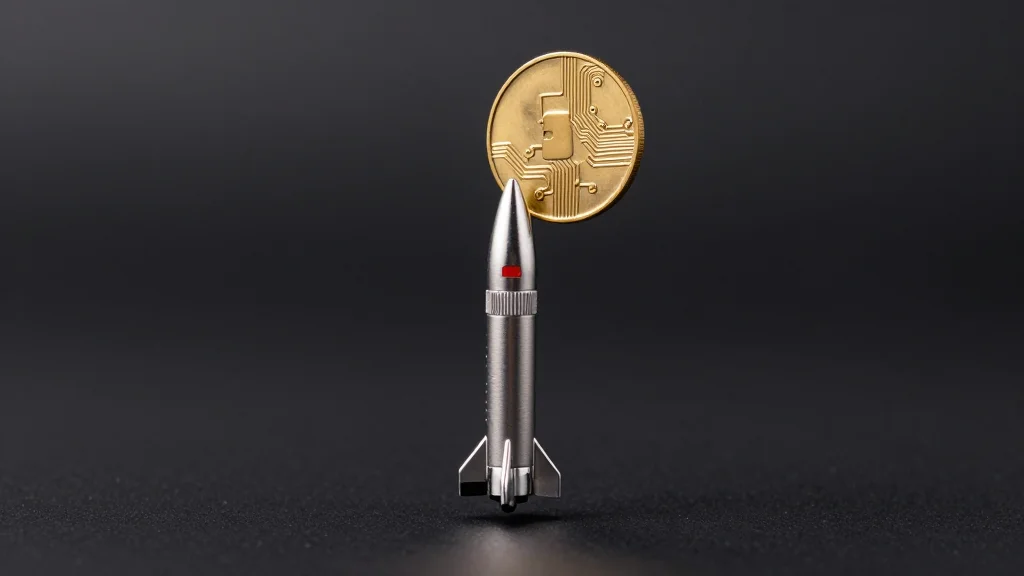
Bybit Rolls Out Tokenized IPO Platform, Gives Retail Access to SpaceX Shares

Why It Matters
The Bybit IPO Express launch marks a watershed for SpaceTech financing by opening the world’s largest private aerospace company to a retail audience that traditionally lacked direct access. By lowering entry barriers, tokenized IPOs could broaden the investor base for capital‑intensive space projects, potentially accelerating development timelines for satellite constellations, lunar missions, and in‑orbit manufacturing. Beyond SpaceX, the model demonstrates how blockchain‑based tokenization can bridge the gap between crypto markets and traditional equity financing. If regulators accept the compliance framework, other high‑growth SpaceTech firms—such as satellite broadband providers and launch service companies—may follow suit, reshaping how the industry raises billions of dollars and diversifying the pool of stakeholders who benefit from space‑related breakthroughs.
Key Takeaways
- •Bybit launches IPO Express on June 7, 2026, offering tokenized SpaceX shares at the IPO price.
- •The platform, powered by Payward’s xStocks, enables retail investors in over 110 countries to subscribe without a brokerage account.
- •SpaceX’s IPO seeks $75 billion; demand is estimated at $150 billion, double the target.
- •Tokenized shares will trade on Bybit’s spot market starting June 12, 2026.
- •Kraken also offers SpaceX tokenized IPO access via xStocks, highlighting growing competition among crypto exchanges.
Pulse Analysis
Bybit’s foray into primary‑market tokenization is more than a product launch; it is a strategic play to capture a new revenue stream as crypto trading volumes plateau. By leveraging xStocks’ regulated token framework, Bybit sidesteps many of the compliance hurdles that have slowed earlier attempts at on‑chain equity offerings. The partnership also positions Bybit as a bridge between the ultra‑fast, 24/7 crypto ecosystem and the slower, heavily regulated world of IPOs, potentially attracting institutional crypto funds seeking exposure to high‑growth equities.
Historically, space‑sector IPOs have been dominated by a handful of well‑connected investors, with companies like SpaceX relying on private placements and strategic investors to fund multi‑billion‑dollar projects. Tokenization could democratize that capital, but it also raises questions about market depth and price discovery. If token holders can trade SPCX tokens on Bybit’s spot market immediately after allocation, price volatility could be amplified, especially given the speculative nature of crypto traders. Regulators will likely monitor liquidity, market manipulation risks, and the adequacy of investor protections.
Looking ahead, the success of Bybit’s IPO Express will hinge on allocation outcomes and secondary‑market performance. A smooth allocation that satisfies a broad retail demand could encourage other SpaceTech firms—such as satellite broadband providers and lunar mining startups—to explore tokenized offerings. Conversely, if the tokenized shares experience thin trading or regulatory pushback, the experiment may be relegated to a niche novelty. Either way, Bybit’s move forces traditional financial institutions to reckon with a new competitor that can deliver IPO access at scale, speed, and with a global reach unmatched by legacy brokers.
Bybit Rolls Out Tokenized IPO Platform, Gives Retail Access to SpaceX Shares
Comments
Want to join the conversation?
Loading comments...