Companies Mentioned


Why It Matters
Combining JWST infrared and Chandra X‑ray data provides unprecedented insight into massive star formation, informing models that drive astrophysical research and related technologies.
Key Takeaways
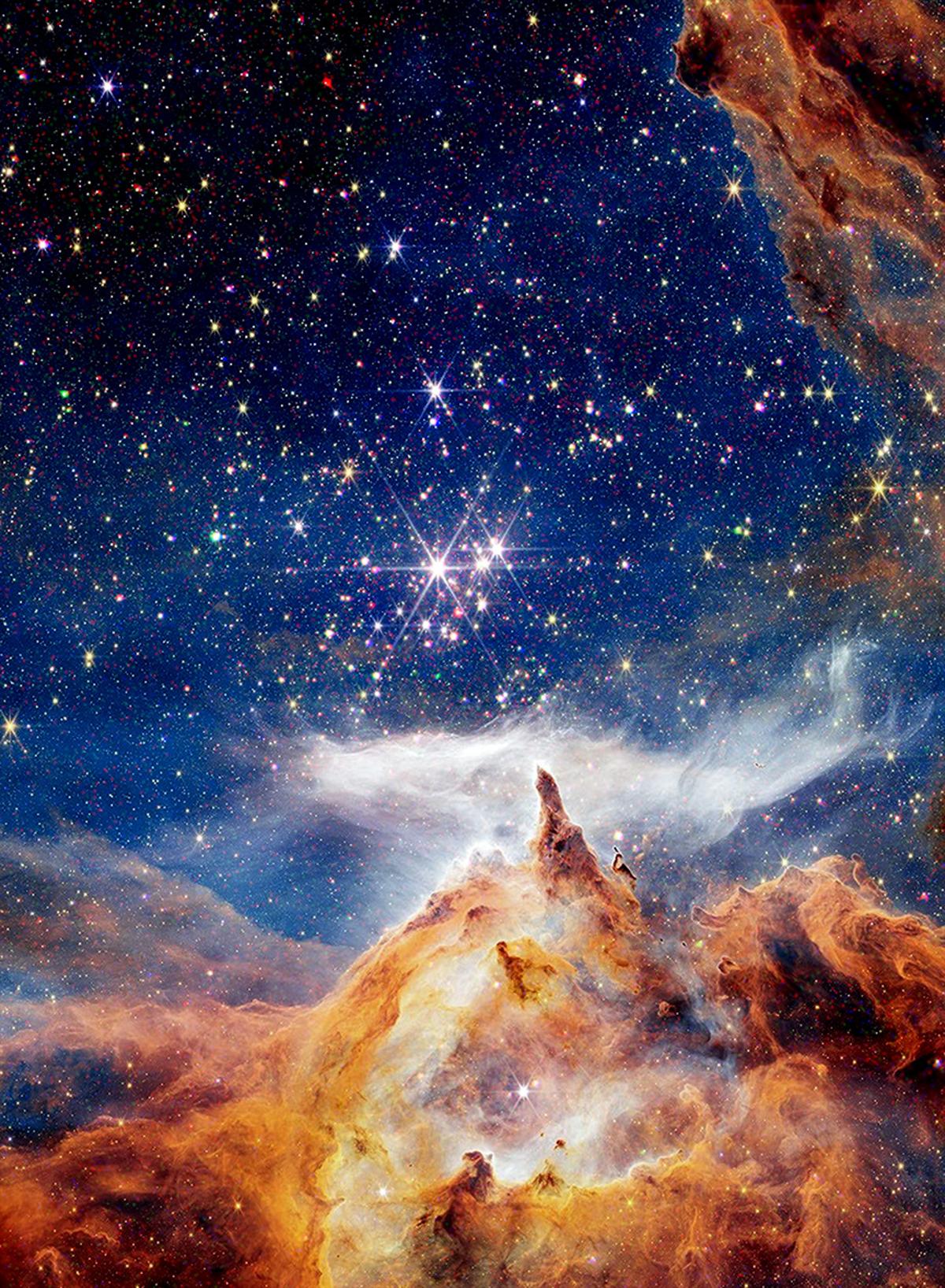
- •JWST captured infrared view of Pismis 24 cluster
- •Chandra added X‑ray colored points revealing stellar activity
- •Cluster lies 5,500 light‑years away in Scorpius
- •Region showcases massive star formation processes
- •Combined data offers multi‑wavelength insight into young stars
Pulse Analysis
Multi‑wavelength astronomy has entered a new era as the James Webb Space Telescope and the Chandra X‑ray Observatory collaborate to reveal the cosmos in unprecedented detail. JWST’s infrared sensors penetrate dust clouds, exposing the hidden structure of star‑forming regions, while Chandra’s X‑ray detectors spotlight the energetic processes that drive stellar evolution. The recent composite image of Pismis 24 illustrates how overlaying these distinct spectra creates a richer narrative of the universe, allowing researchers to trace both the cool, dense material and the hot, violent outbursts of newborn massive stars.
Pismis 24, nestled within the Lobster Nebula, is a prime laboratory for studying massive star birth. At roughly 5,500 light‑years from Earth, the cluster contains several O‑type stars whose intense radiation shapes the surrounding nebular environment. The infrared view reveals a dense cluster of protostars and dust filaments, while the X‑ray bursts pinpoint sites of stellar winds and magnetic activity. Understanding these interactions helps refine theoretical models of how massive stars influence galactic ecosystems, trigger subsequent star formation, and ultimately end their lives as supernovae.
The synergy demonstrated by this image has broader implications beyond pure science. It drives advances in data integration, image processing, and high‑performance computing, sectors that benefit aerospace, defense, and cloud‑based analytics industries. As more observatories adopt coordinated observation campaigns, the volume of multi‑spectral data will surge, prompting innovations in machine‑learning pipelines and visualization tools. Stakeholders across the space technology supply chain should watch these developments, as they herald new opportunities for commercial partnerships and technology transfer rooted in cutting‑edge astrophysical research.
Chandra, Webb Catch Twinkling Lights
0
Comments
Want to join the conversation?
Loading comments...