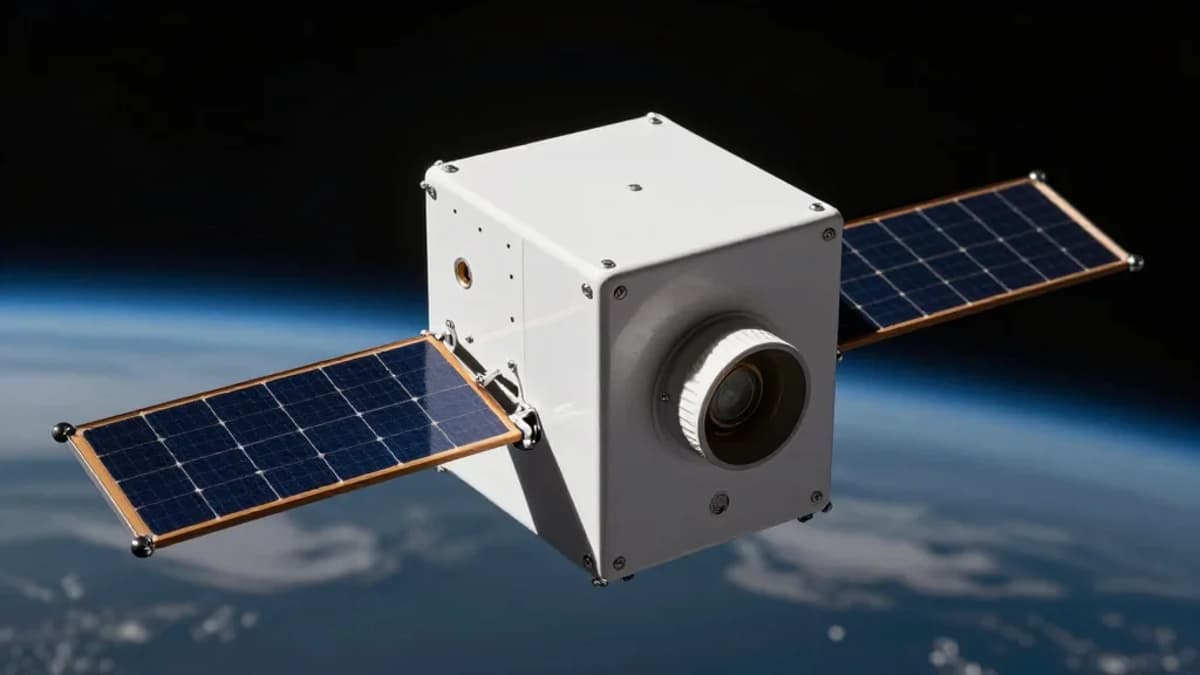
China Launches More Satellites in Its Guowang Satellite Constellation
•January 19, 2026
0
Companies Mentioned

Why It Matters
The expansion strengthens China’s foothold in the global internet‑satellite market, heightening competition with Western providers while raising geopolitical and debris‑management concerns.
Key Takeaways
- •19th Guowang batch launched via Long March 12
- •Constellation reaches roughly 150 satellites, nearing 13,000 goal
- •Rocket debris landed in Philippine territorial waters, sparking warning
- •China now holds five 2026 launches, trailing SpaceX's eight
- •Guowang aims to rival Starlink for worldwide internet
Pulse Analysis
China’s latest Guowang deployment underscores the nation’s ambition to build a megaconstellation capable of delivering broadband services worldwide. The Long March 12 vehicle lifted off from the Wencheng spaceport, inserting a batch of nine satellites that, by most estimates, push the total count to about 150. While official Chinese sources remain vague on exact numbers, the rapid cadence of launches signals a strategic push to match or surpass the capacity of rival constellations such as SpaceX’s Starlink, which already boasts thousands of operational units.
The competitive dynamics of low‑Earth‑orbit (LEO) broadband are shifting as China accelerates its launch schedule. With five planned missions in 2026, China trails SpaceX’s eight but narrows the gap, suggesting a future where multiple state‑backed constellations vie for market share in underserved regions. Industry analysts anticipate that increased satellite density will drive down consumer prices and improve latency, yet it also raises concerns about spectrum allocation, orbital congestion, and the sustainability of space traffic management.
Beyond commercial implications, the incident of rocket debris landing in Philippine waters highlights the geopolitical sensitivities surrounding LEO activities. Nations bordering launch corridors are demanding clearer liability frameworks and debris mitigation protocols. As China expands Guowang, it will need to address both regulatory scrutiny and the environmental impact of launch remnants, shaping the broader discourse on responsible space operations and international cooperation.
China launches more satellites in its Guowang satellite constellation
0
Comments
Want to join the conversation?
Loading comments...